Slovakia is leaning into ties with China just as Beijing’s relations with the European Union are under strain, a move that could help Bratislava court investment and preserve its role as a logistics and industrial bridge inside Europe but also expose it to more political and trade risk.
Slovakia Deepens China Ties After Pellegrini Visit
President Petr Pellegrini said after his visit to China that closer relations with Beijing are an important stabilizing factor for Slovakia’s standing internationally, arguing that the country can connect the European Union and China. The message matters because small, export-heavy economies in central Europe rely on outside capital, market access and supply-chain positioning, and Slovakia is signaling it does not want to be boxed into a purely confrontational EU-China line.
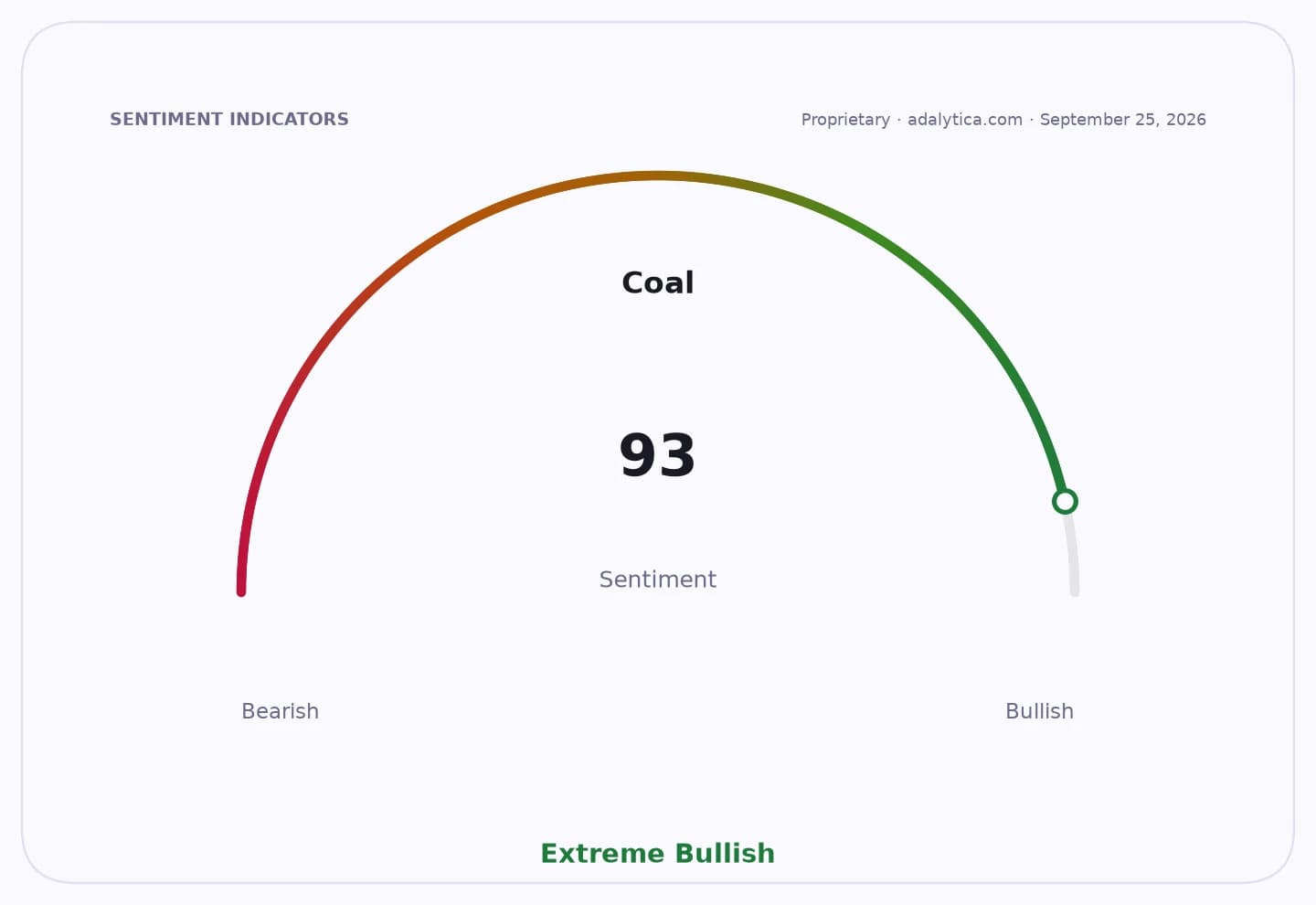
Sentiment IndicatorsⓘProprietary · adalytica.com · July 29, 2026
This is a snapshot — live sentiment, awareness and momentum for 130+ markets update continuously in the dashboard.Open AlphaPulse
That calculus comes at a delicate moment. China has been hardening its stance toward Western criticism, rejecting claims of industrial overcapacity and imposing export controls on 14 EU entities, steps that underscore how quickly trade and diplomacy can spill into commercial channels. For Slovakia, the appeal of deeper Chinese engagement is obvious: potential support for manufacturing, infrastructure and market diversification. But the downside is equally clear if Brussels toughens its own scrutiny of Chinese investment or retaliates more broadly against Beijing’s trade practices.
Markets are likely to read the development through the prism of supply chains rather than symbolism. Central European economies have benefited for years from being gateways for European industry, especially in autos and components, and any attempt by Slovakia to position itself as a neutral connector could help it retain relevance to Chinese firms looking for an EU foothold. Yet that role also carries the risk of becoming a pressure point if geopolitical tensions force investors to choose between policy alignment and commercial opportunity.
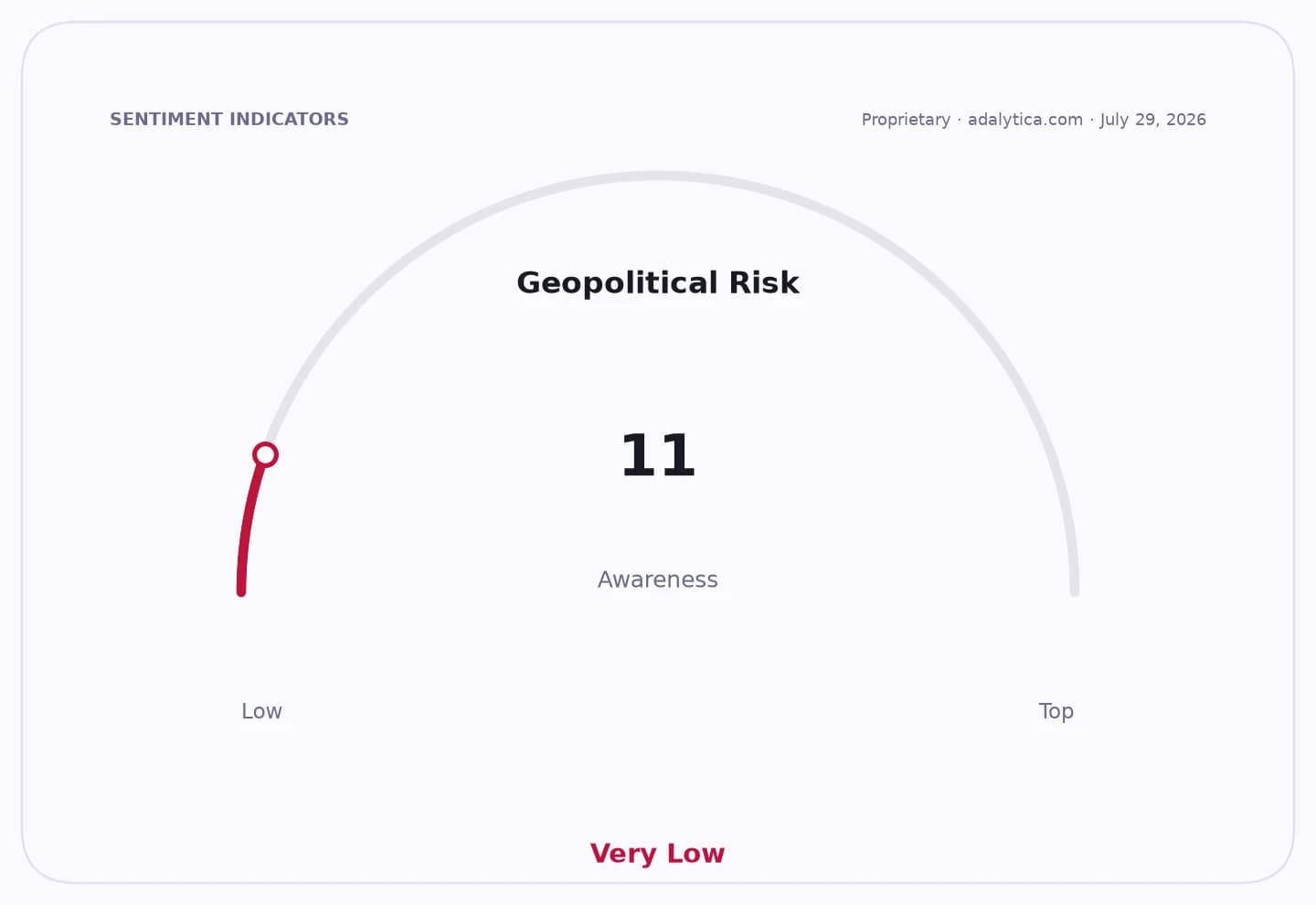
The broader backdrop suggests the balancing act will get harder, not easier. Adalytica’s US-China relations gauge sits in neutral territory but with low awareness, while its global stability measure has moved sharply higher, reflecting a market environment that is still willing to price in diplomatic easing even as trade frictions persist. For investors, that means Slovak assets and regional industrial names may benefit if the China channel stays open — but they could also face headline risk if relations between Beijing and Brussels deteriorate further.
For now, Pellegrini’s statement frames Slovakia as a pragmatic intermediary at a moment when the EU and China are pulling in different directions. Whether that becomes a competitive advantage or a policy liability will depend on how long Europe tolerates member states pursuing bilateral openings inside a widening strategic rift.
| Entity | Gains | Losses |
|---|---|---|
| Slovakia | ▲Investment access | ▼Policy scrutiny |
| Chinese firms | ▲EU entry point | ▼Regulatory risk |
| EU policymakers | ▲More leverage over members | ▼Fewer unified positions |
| Slovakia-linked exporters | ▲Trade diversification | ▼Geopolitical exposure |