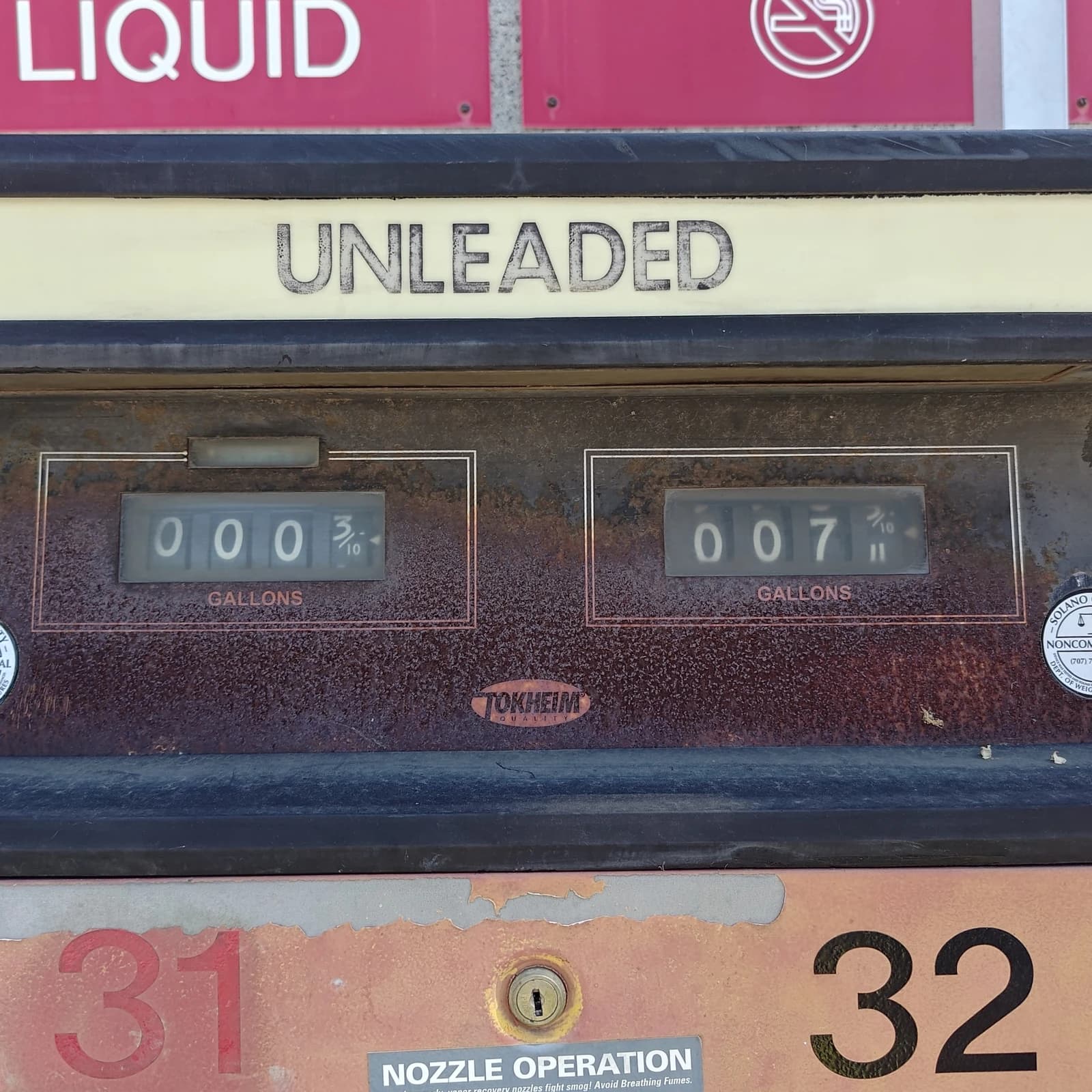
Gasoline prices in Slovenia will fall by 3.1 cents a liter on Tuesday, while diesel and heating oil will each be cut by 6 cents, reflecting a softer global crude backdrop and the government’s regulated pricing formula.
Slovenia cuts gasoline and diesel prices

The move matters because fuel prices feed directly into household spending, transport costs and inflation expectations, making even modest reductions economically relevant in a small, import-dependent economy. With prices set by a formula tied to international refined product benchmarks and the euro-dollar exchange rate, the change is less a domestic policy shift than a transmission of lower global fuel costs into the retail pump price.
Sentiment Indicators
The ministry said the formula still excludes biocomponents from the purchase price calculation and does not apply the carbon pollution levy or the contribution for energy-efficiency improvements. It also said model prices are based on seven-day averages of mineral oil product prices on the world market and the dollar-euro exchange rate.
That mechanism has helped keep domestic pricing aligned with swings in global energy markets, which have turned sharply lower in recent days. U.S. crude benchmark WTI was forecast at $80.618 a barrel for Nov. 25, down 1.97% from the prior day, while Brent-linked market signals have also eased. Adalytica’s oil trade-signal snapshot showed neutral sentiment but extreme fear in awareness readings, underscoring how volatile the market remains.
For consumers, the immediate benefit is lower fuel bills at a time when energy costs still influence broader inflation psychology. For businesses, especially transport-heavy sectors, cheaper diesel is more material than the gasoline cut because it lowers freight and heating costs across the winter season. Airlines and logistics groups also tend to benefit when refined-product prices retreat, even if the pass-through is slower and uneven.
The flip side is weaker revenue for fuel retailers and refiners if product margins compress further. U.S. refining data have already pointed to a gasoline oversupply, with margins near zero or negative, while refiners have shifted more capacity toward diesel and jet fuel. That imbalance suggests retail price cuts may not be a one-off if crude and product inventories stay elevated.
Investors will watch whether the decline in pump prices filters through to lower inflation prints and slightly easier consumer spending patterns, while also tracking whether the latest slide in oil extends enough to pressure energy equities again. For Slovenia, the latest cut is a reminder that domestic fuel costs remain highly exposed to global oil markets, even under a regulated system.
| Entity | Gains | Losses |
|---|---|---|
| Slovenian motorists | ▲lower pump costs | ▼none |
| Transport and logistics firms | ▲cheaper diesel inputs | ▼fuel retailers’ margins |
| Refiners and fuel sellers | ▲none | ▼weaker product margins |
| Consumers and importers | ▲lower energy bills | ▼inflation relief fades if oil rebounds |