Slovenian drivers are set for a modest reprieve on Tuesday, with the price of a liter of 95-octane gasoline expected to fall by about three euro cents to 1.415 euros, a move that reflects softer global oil prices and a steady tax regime rather than any fresh government intervention.
Slovenia gas prices expected to fall Tuesday
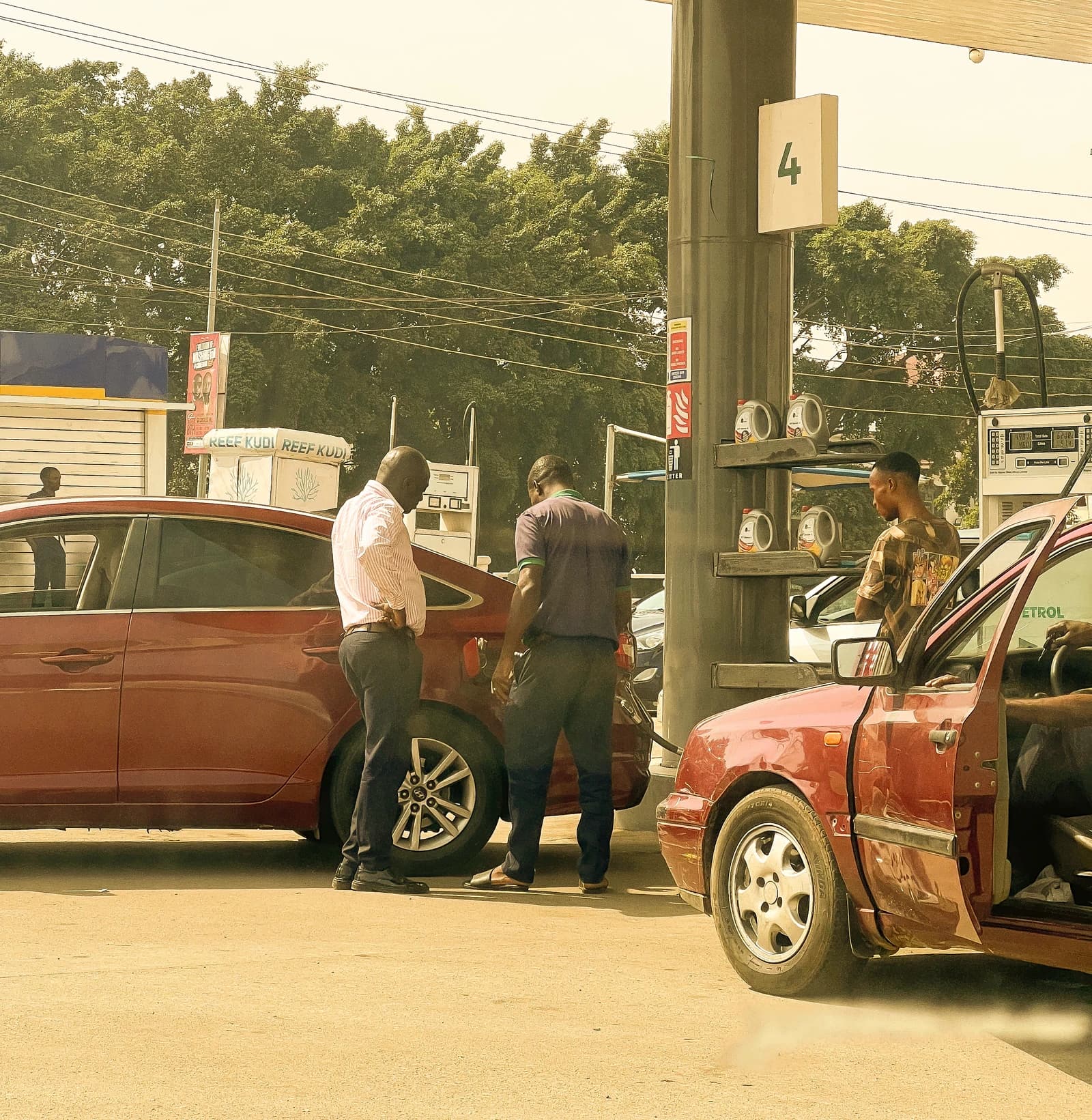
The cut matters because fuel remains one of the most visible household costs and a key input for transport, logistics and heating. A lower pump price eases pressure on consumer budgets and businesses after a stretch of volatility in energy markets, while also signaling that recent declines in crude and refined products are filtering through to retail prices.
Sentiment Indicators
According to calculations from Napovedgoriv.si and Financ, diesel is also likely to edge lower, to around 1.738 euros a liter, while heating oil should fall to about 1.361 euros. The estimates assume unchanged excise duties, and Finance Minister Andrej Šircelj has said Slovenia will adjust fuel taxes in line with market prices, prices in neighboring countries and the need to preserve public finances.
The expected move would mark the third straight weekly decline in fuel prices. At current levels, a 50-liter fill-up of gasoline would cost about 1.45 euros less than before, while 50 liters of diesel would save drivers about 3 euros, and 1,000 liters of heating oil would be about 60 euros cheaper.
Global oil benchmarks have recently stabilized after sharp swings earlier in the year, and the downturn is showing up in oil-linked markets. U.S. crude-linked fund USO has dropped sharply from recent highs, while energy equities have also retreated, with the broad energy sector ETF XLE and oilfield services fund OIH both under pressure.
For investors, the main takeaway is that easing fuel prices can support consumer spending and lower inflationary pressure at the margin, but they also tend to soften the near-term earnings outlook for refiners, fuel retailers and energy producers. The next focus will be whether crude prices stay subdued long enough to extend the cuts beyond Tuesday, or whether any renewed tightening in the oil market forces Slovenia to revisit excise duties again.
| Entity | Gains | Losses |
|---|---|---|
| Slovenian motorists | ▲Lower fuel bills | ▼Less urgency for relief measures |
| Logistics and households | ▲Lower transport and heating costs | ▼Limited downside if oil rebounds |
| Slovenian state budget | ▲Stable excise regime | ▼Less room for higher fuel-tax revenue |
| Oil producers and energy funds | ▲— | ▼Softer crude-linked pricing and margins |