Gasoline and diesel prices at major Ukrainian filling stations kept easing on November 23, with four large operators trimming pump prices again as the market absorbs softer oil costs and a steadier retail tone after earlier volatility.
Ukraine fuel prices fall as major chains cut pump rates
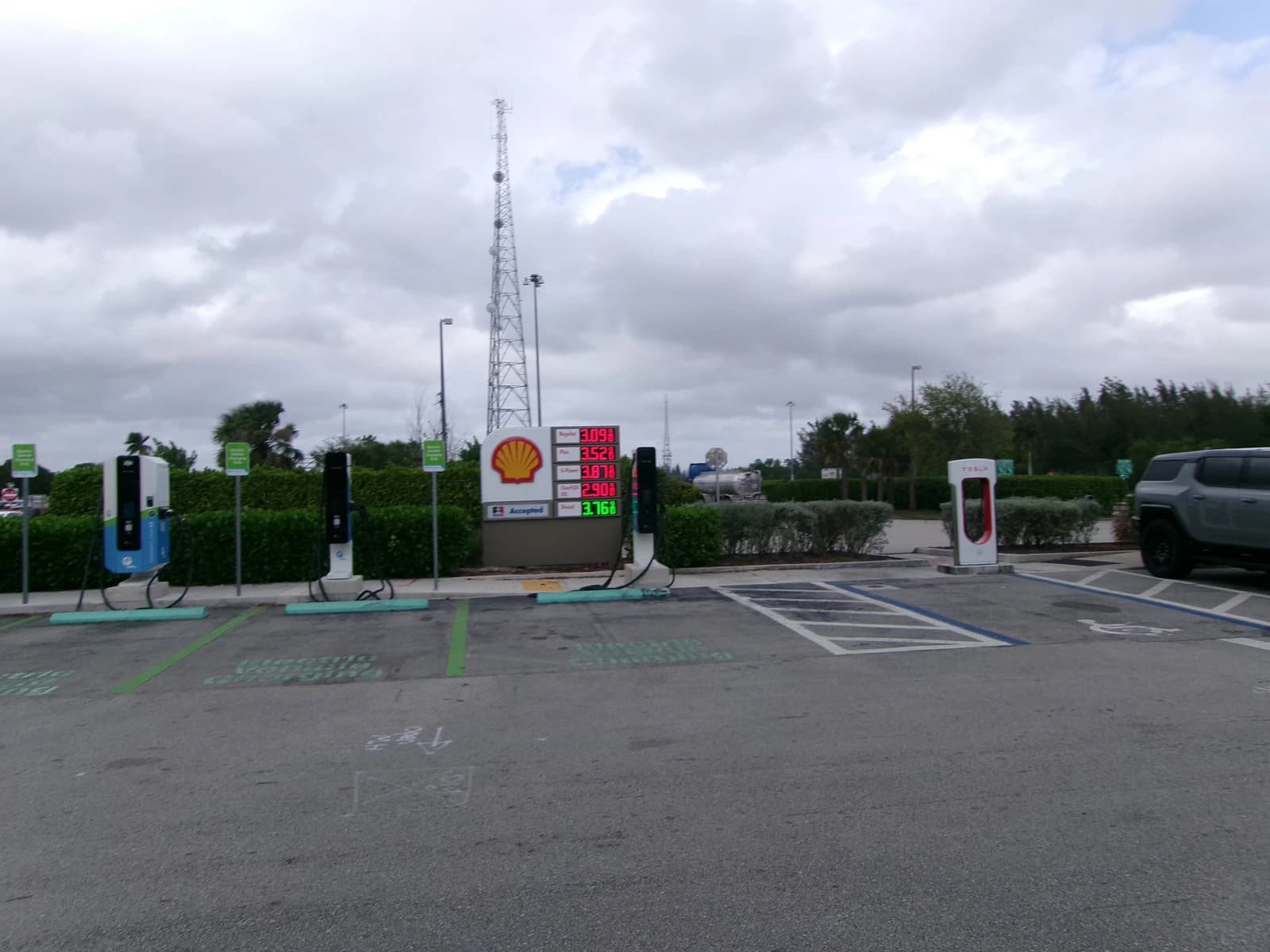
The clearest signal is the state-backed operator Ukrnafta, which cut standard A-95 by 3 hryvnias a liter to 79.90 and diesel by 2 hryvnias to 96.90, pushing a key grade of petrol below the 80-hryvnia mark. OKKO and WOG each lowered all gasoline grades by 1 hryvnia a liter, while OKKO also cut diesel and liquefied gas. UPG followed with a 1-hryvnia reduction on both diesel products. SOCAR left prices unchanged.
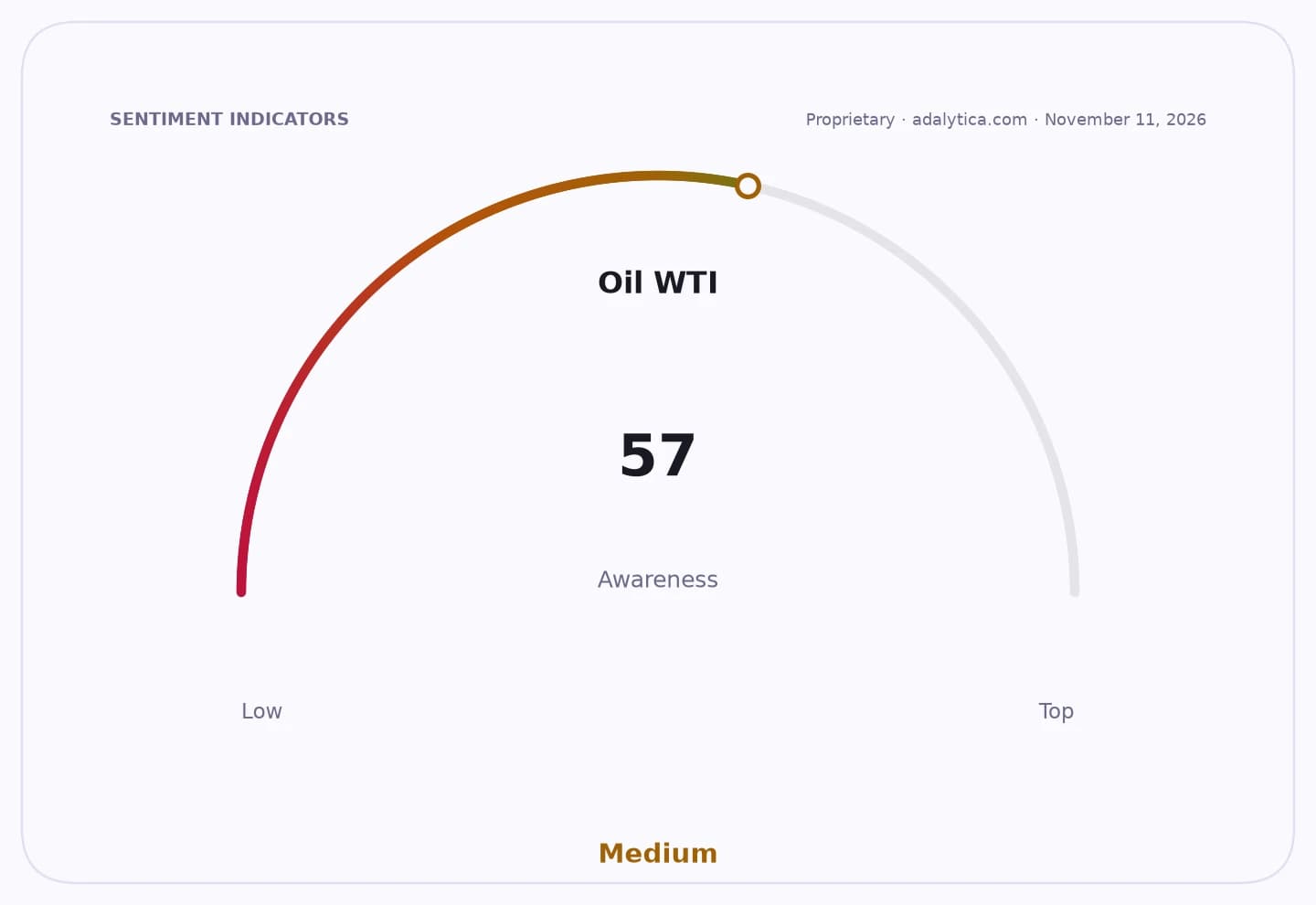
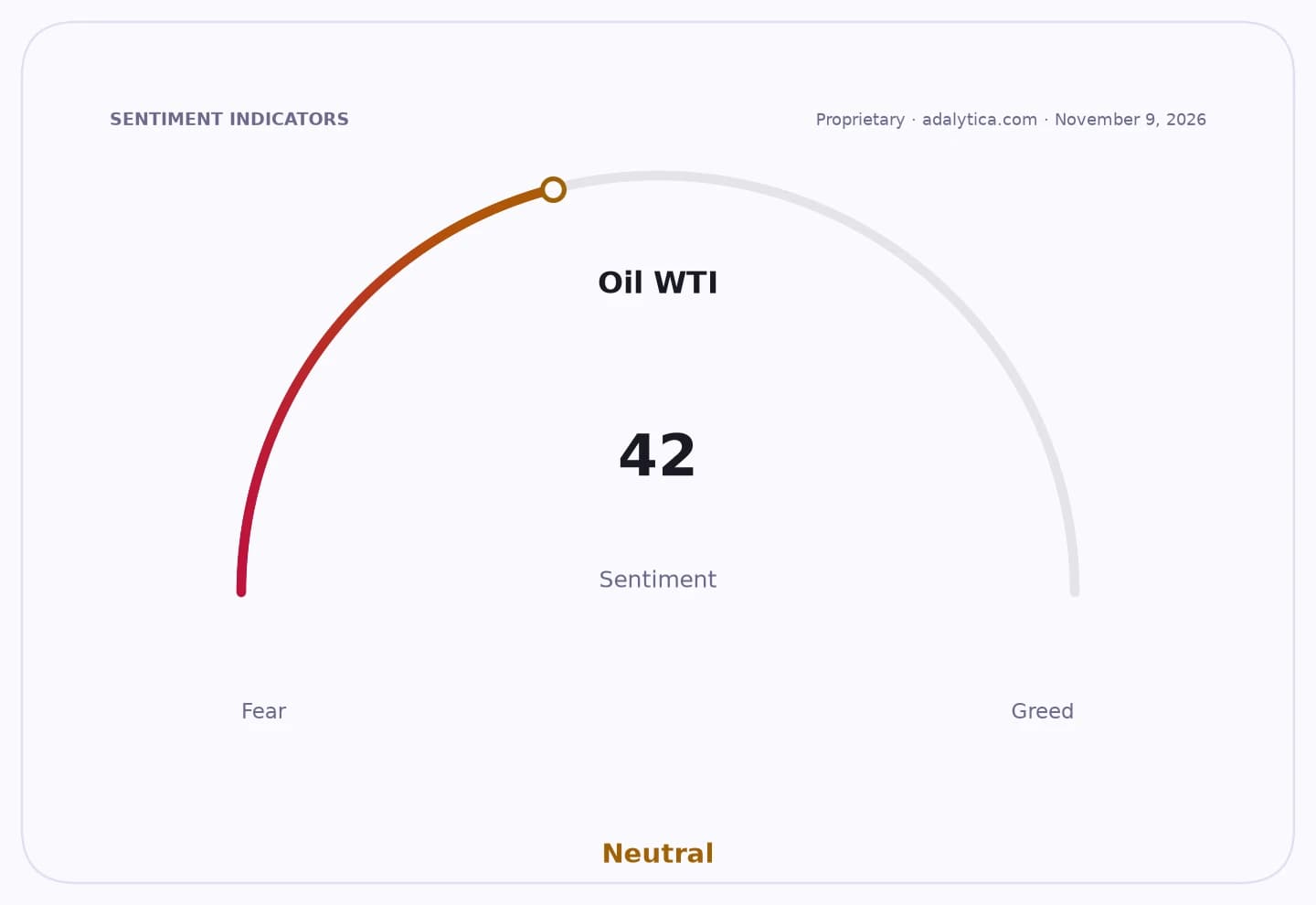
Sentiment Indicators
That matters because Ukraine’s fuel market is still highly sensitive to imported oil, logistics costs and exchange-rate moves, and retail pricing feeds directly into transport costs, farm inputs and consumer inflation. When the biggest chains move in the same direction, it usually reflects a broader re-pricing rather than isolated promotions. Lower fuel bills can ease pressure on household budgets and on businesses that depend on road freight, from food distribution to retail.
The latest cuts also fit the direction of global oil benchmarks. West Texas Intermediate has retreated from recent highs, while energy-sector exchange-traded funds have pulled back from their own peaks, suggesting traders are pricing in weaker near-term momentum. Adalytica’s WTI trade signals show sentiment still in neutral territory, but with “awareness” in extreme fear, underscoring how quickly the market has shifted from tight-supply anxiety to a more defensive stance.
For investors and policymakers, the key issue is whether the declines are a temporary retail adjustment or the start of a broader pass-through from lower crude and calmer wholesale conditions. If oil stays softer and the hryvnia remains stable, Ukrainian motorists could see further relief at the pump. But any renewed disruption in global supply, or a fresh spike in freight and import costs, would quickly reverse the trend.
| Entity | Gains | Losses |
|---|---|---|
| Ukrainian motorists | ▲Lower fuel bills | ▼Less incentive to hedge ahead |
| Logistics and retailers | ▲Cheaper operating costs | ▼Margins still exposed to volatility |
| Major fuel chains | ▲Stronger traffic if cuts hold | ▼Lower unit margins |
| Oil producers / exporters | ▲— | ▼Softer downstream pricing power |