The real investment story in solar right now is not just how much a panel produces after a decade — it is how a maturing industry is being squeezed by lower equipment prices, higher financing costs and a demand reset that is still punishing the sector’s biggest names.
Solar stocks under pressure from rates and demand

A solar panel’s output typically falls by roughly 0.5% to 0.8% a year, meaning a module can still deliver about 92% to 95% of its original capacity after 10 years, with better-made panels holding up closer to the top of that range. That matters because the economics of utility-scale solar depend on predictable long-term performance, not just cheap upfront hardware. When degradation stays modest, project cash flows remain bankable; when it worsens, lenders, developers and buyers all reprice risk.
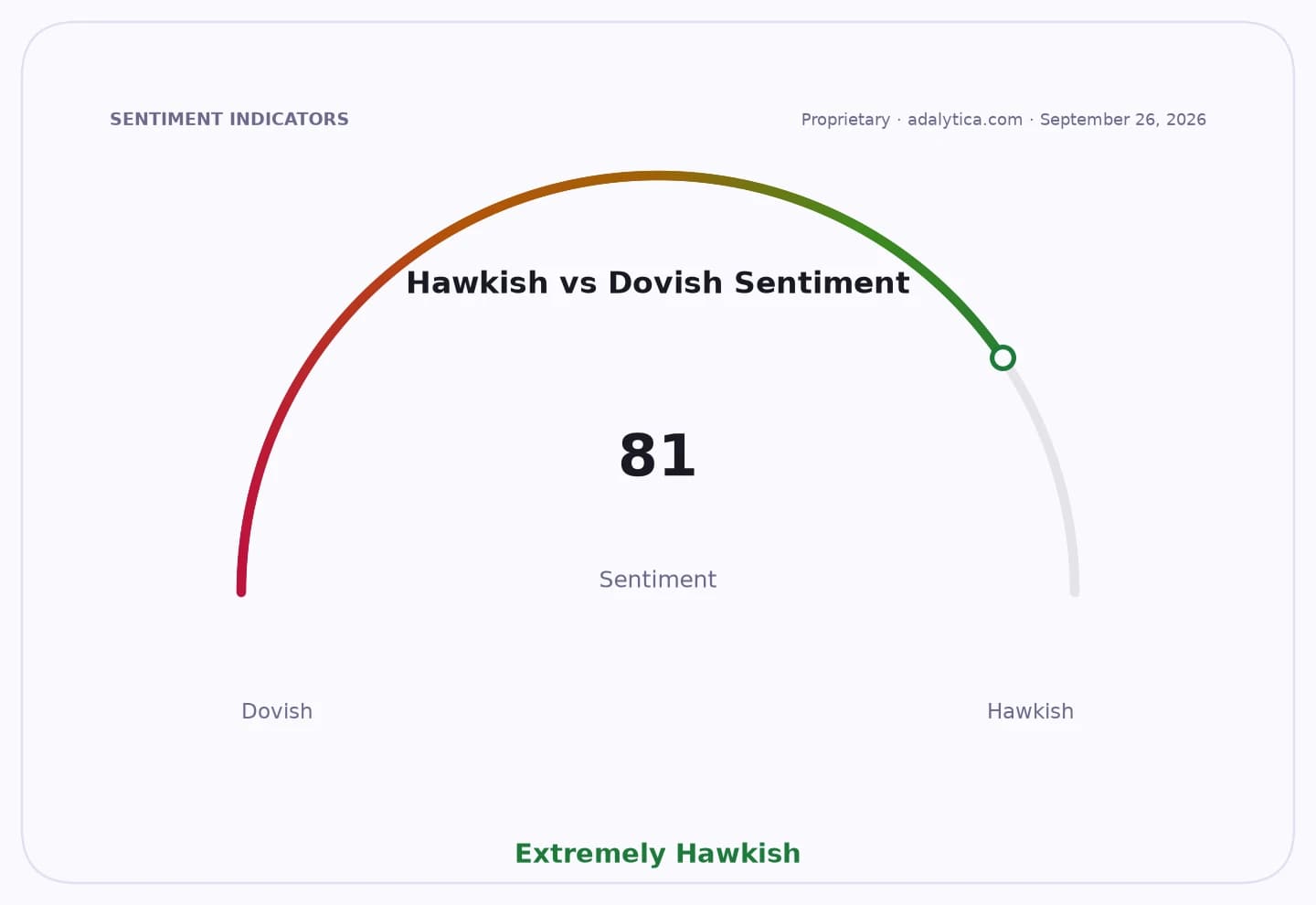
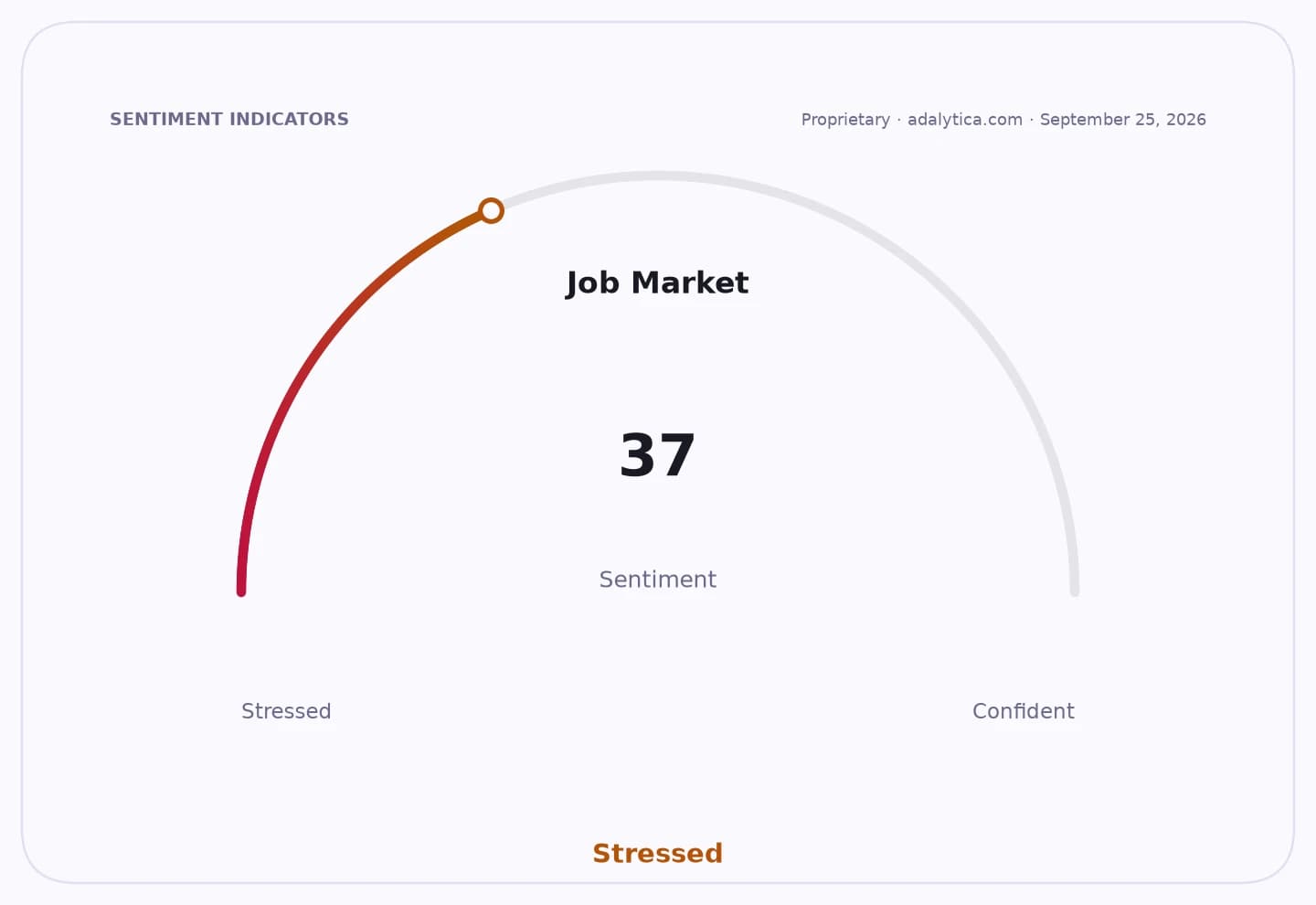
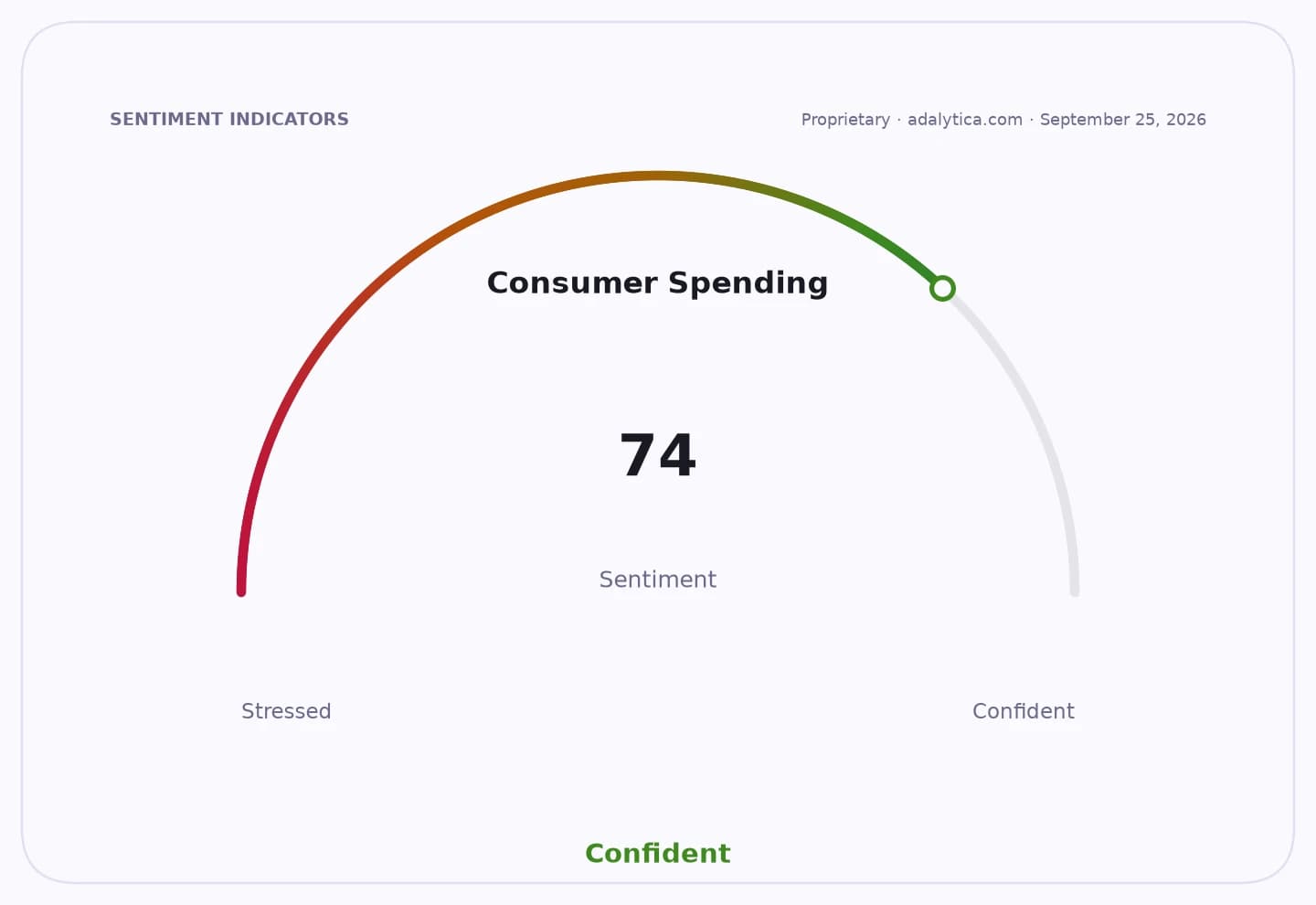
Sentiment IndicatorsⓘProprietary · adalytica.com · August 19, 2026
This is a snapshot — live sentiment, awareness and momentum for 130+ markets update continuously in the dashboard.Open AlphaPulse
That backdrop is especially important now because the sector is not operating in a vacuum. U.S. industrial production is running around 103.3, while producer prices are near 289.8, and the 10-year Treasury yield has climbed back to about 4.69% — a difficult combination for capital-intensive renewables. Higher rates raise the cost of project finance, while still-elevated input and labor costs make it harder for developers to lean on scale alone. At the same time, solar panel prices have been falling even after China’s production cuts, underscoring how brutal the global supply picture remains.
For investors, that creates a sharper divide between companies with durable technology, pricing power and strong balance sheets — and those exposed to commoditization. First Solar, with its utility-scale focus, has been much better positioned than the rest of the pack, even though its shares have pulled back to around $220 after trading above $250 recently. The stock still sits above its 200-day moving average, but the recent slide and weakening momentum show how quickly sentiment can turn when the market starts questioning margins and order timing.
Enphase Energy and SolarEdge, by contrast, remain much more exposed to the residential and distributed-solar cycle, where demand softness has been severe. Enphase shares have fallen to about $37.58 from more than $70 in early June, while SolarEdge has dropped to roughly $29.82 from nearly $79 in the same period. Both stocks are now far below their 50-day averages, and the technical damage reflects the same fundamental problem: installers and distributors are still dealing with weak end demand, tighter credit and channel stress.
That is why the next phase of this market is likely to be less about solar as a theme and more about solar as a capital-allocation test. Utility-scale developers will keep chasing lower-cost power, but they will increasingly favor suppliers and platforms that can prove performance over decades, not just win on price. That should keep pressure on commodity-style manufacturers while rewarding the firms that own the best efficiency curves, financing access and project execution.
The market underestimates how much a decade of panel degradation, plus a higher-rate regime, can reshape winner-take-most economics in solar. The opportunity is not broad-based exposure to the sector — it is selective ownership of the toll roads, not the race to the bottom.
| Entity | Gains | Losses |
|---|---|---|
| First Solar | ▲Utility-scale demand | ▼Price wars |
| Enphase Energy | ▲Residential rebound | ▼Weak installer channel |
| SolarEdge | ▲Inverter replacement cycle | ▼Margin compression |
| Developers/lenders | ▲Better-performing panels | ▼Higher financing risk |