Solvay is doubling its electronic-grade hydrogen peroxide capacity in Taiwan, a small but important move that shows how the AI chip boom is pulling in suppliers far beyond the foundry floor.
Solvay Doubles Taiwan Hydrogen Peroxide Capacity
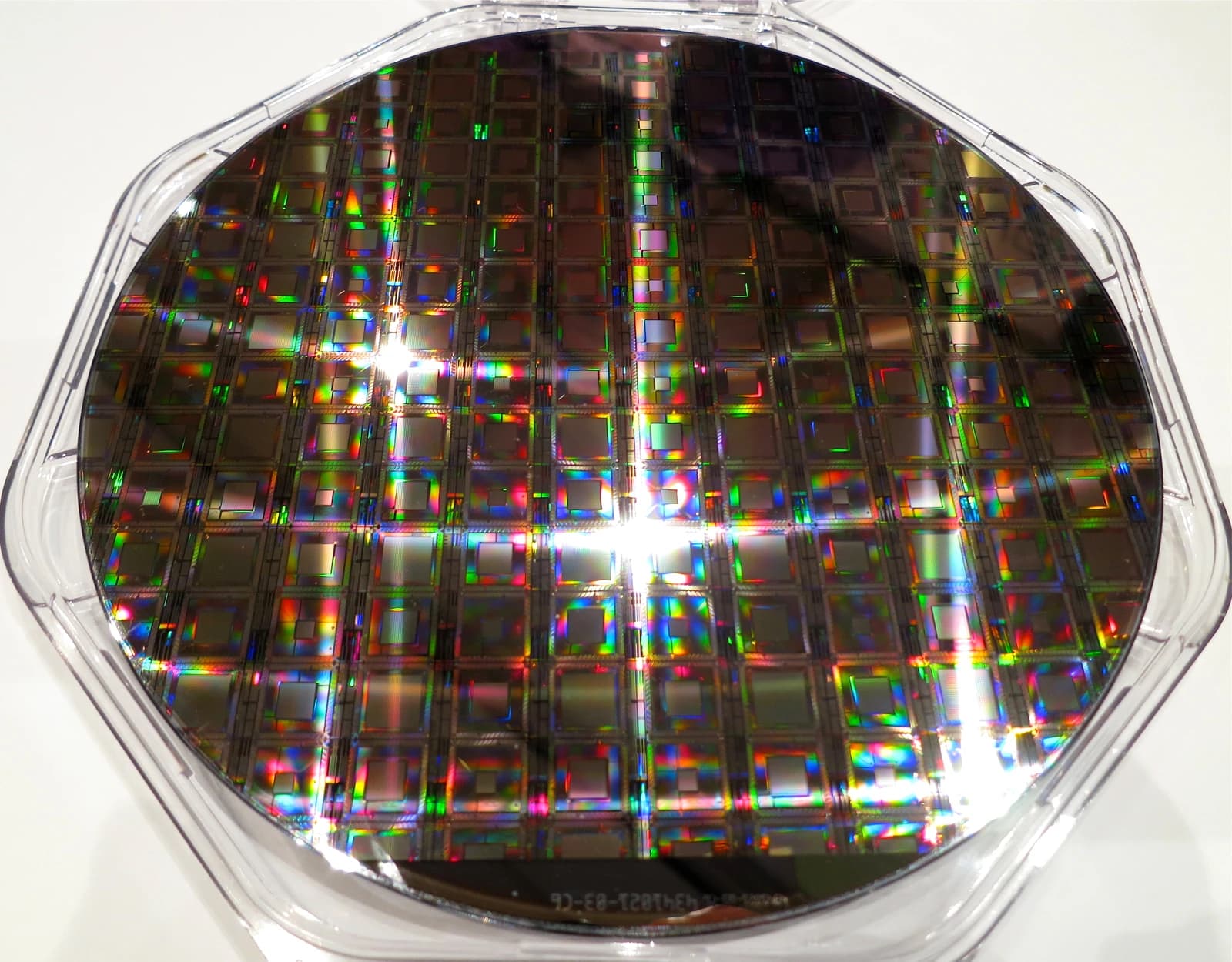
That matters because the semiconductor industry is only as strong as the ecosystem around it. Ultra-pure hydrogen peroxide is used to clean and prepare wafers, and as chips shrink, the need for contaminant-free chemical inputs gets more demanding, not less. Solvay said very few producers can make the product at the purity levels required for electronics, giving the Belgian group a niche position in a market that should keep growing alongside advanced chip production.
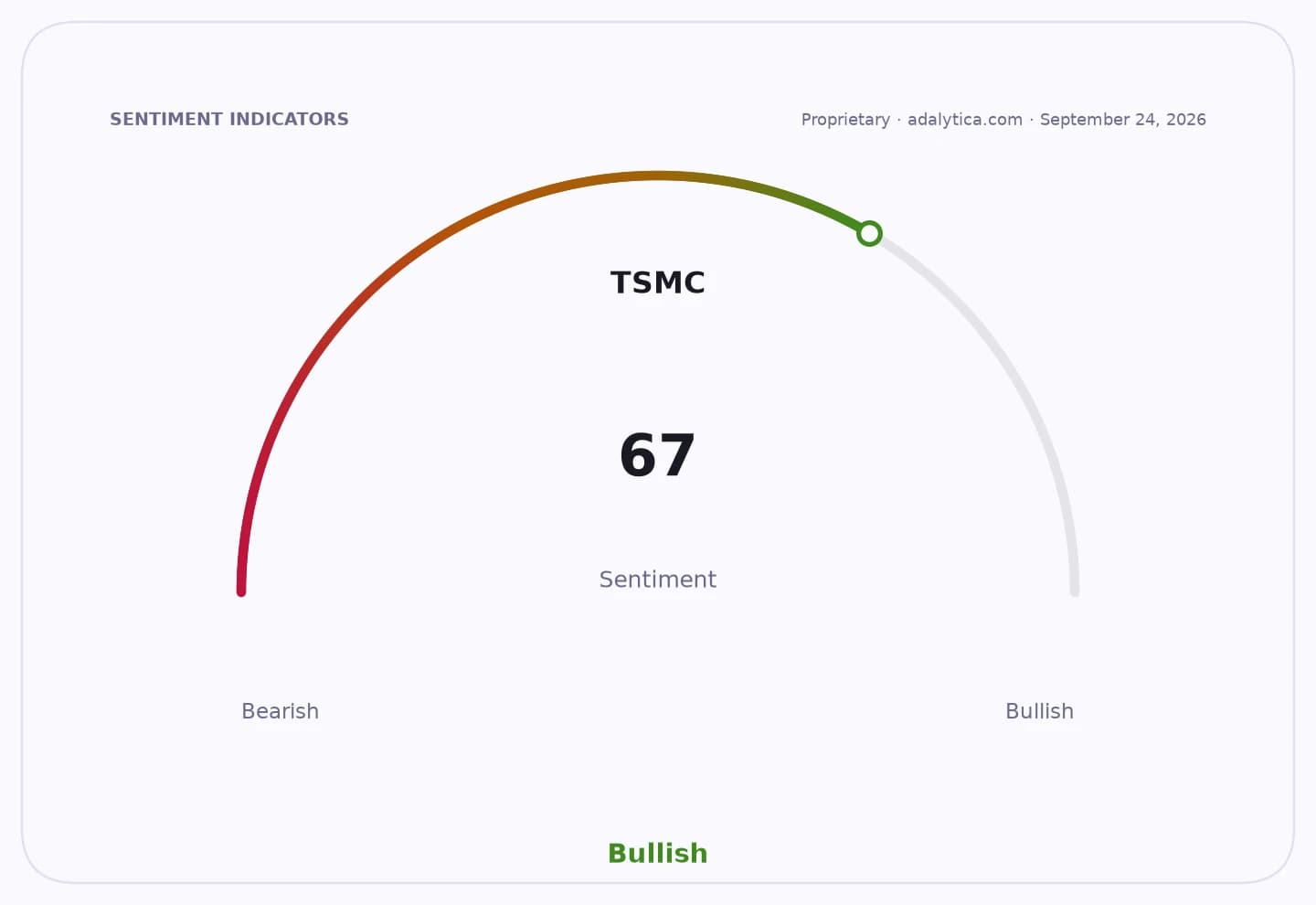
Sentiment IndicatorsⓘProprietary · adalytica.com · September 3, 2026
This is a snapshot — live sentiment, awareness and momentum for 130+ markets update continuously in the dashboard.Open AlphaPulse
The company plans to double capacity by the end of 2026 at its Taiwanese site, where it began making electronic-grade hydrogen peroxide in 2023 through its Shinsol Advanced Chemicals joint venture. Taiwan is the obvious place to do it. The island sits at the center of the global semiconductor supply chain, and its chip industry is headed toward roughly $300 billion in revenue this year, according to the Taiwan Semiconductor Industry Association, more than 40% above last year’s level.
For Solvay, the expansion is also a reminder that specialty chemicals can be a steadier way to play the semiconductor cycle than betting directly on wafer output. Peroxides account for 22% of Solvay’s sales, and the electronic-grade segment makes up 10% to 12% of that. In a broader chemicals market that Solvay described as difficult, this is one of the few areas still delivering growth.
Investors should care because this is exactly the kind of high-value, hard-to-replicate demand that can support margins over time. Suppliers with technical know-how, local production, and close ties to leading chipmakers often get better pricing power than commodity chemical sellers. That makes Solvay’s move more than a capacity bump — it is a bid to strengthen a defensible franchise in a market tied to one of the most powerful secular trends in investing.
The flip side is that the opportunity is concentrated. Taiwan remains the beating heart of advanced chip manufacturing, so any disruption to local production, geopolitics, or capital spending would ripple quickly through suppliers like Solvay. Even so, the long-term setup still looks attractive: more AI chips, more miniaturization, more cleaning, and more need for ultra-pure materials.
Solvay’s expansion is worth watching for investors who want exposure to the semiconductor buildout without owning only the biggest chipmakers. It is a reminder that the picks-and-shovels of AI can be just as compelling as the headline names, especially for patient investors looking years ahead.
| Entity | Gains | Losses |
|---|---|---|
| Solvay | ▲Higher specialty sales | ▼Capacity constraint risk |
| Taiwan chipmakers | ▲More secure supply | ▼Added supplier concentration |
| Competitor chemical makers | ▲Faster market growth | ▼Share loss to niche leaders |
| Long-term investors | ▲Exposure to AI supply chain | ▼Near-term volatility |