AI is getting cheaper to build in software, but the hardware behind it is getting more expensive to source — and that is the pressure point investors in Sony, Nvidia and Qualcomm need to watch.
Sony, Nvidia, Qualcomm face AI hardware cost pressure
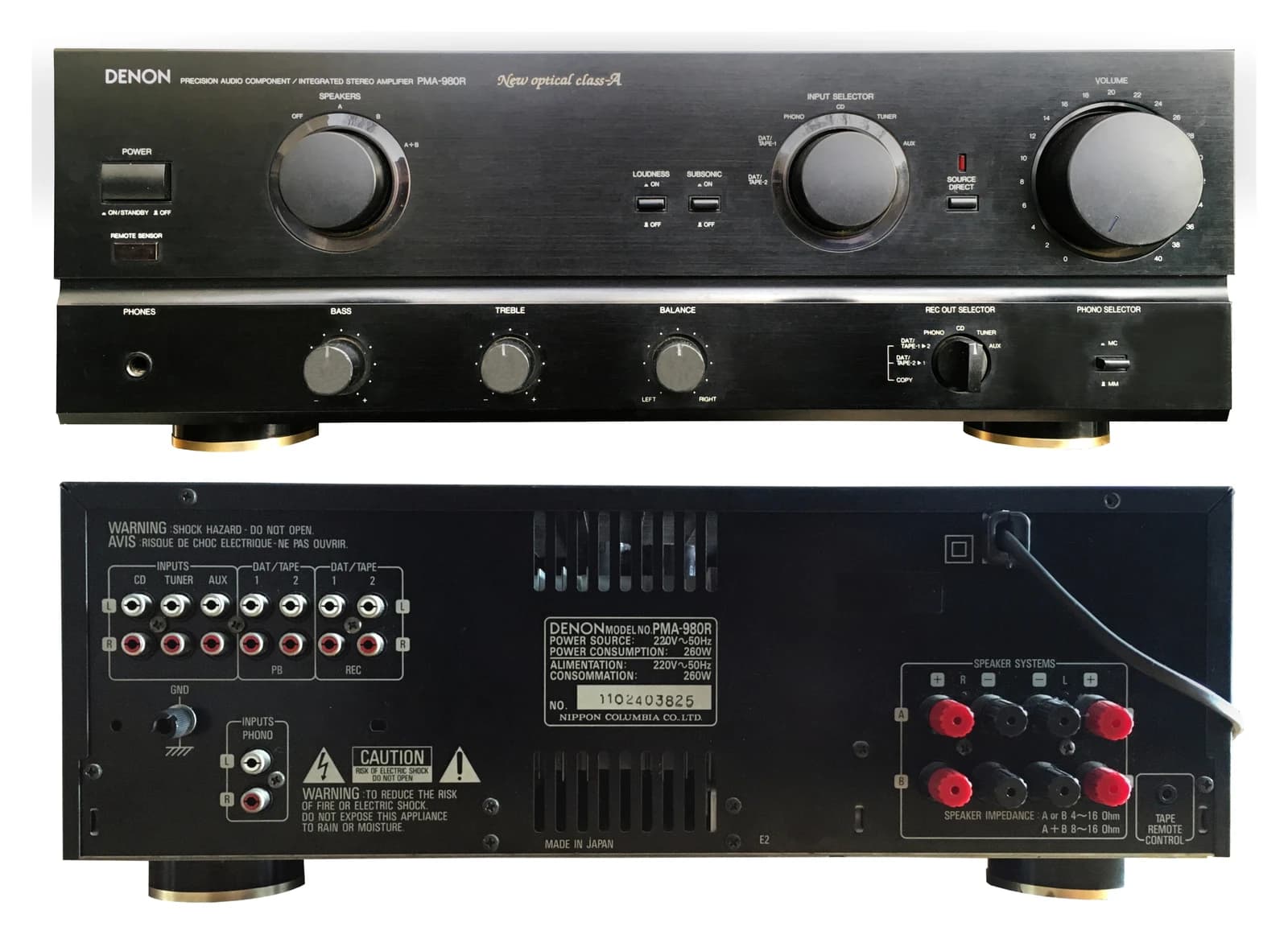
The most important development is not just that a low-cost model like DeepSeek is forcing the AI industry to rethink how much it spends on computing. It is that the benefits of cheaper inference and model development are colliding with a tighter, pricier supply chain for chips, memory and other components. That combination can squeeze margins, lift prices for consumers, and make life harder for smaller brands across hi-fi and home cinema as well as the broader electronics market.
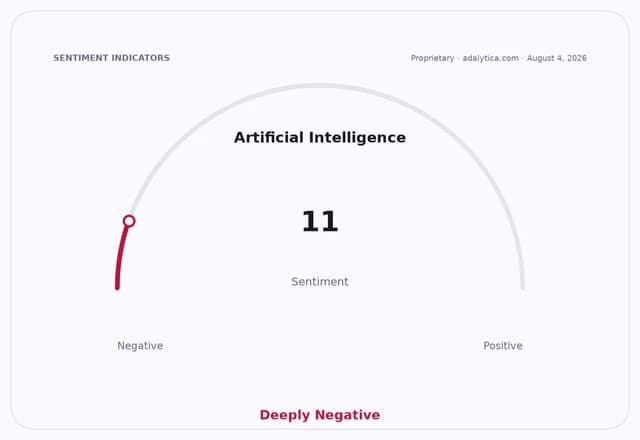
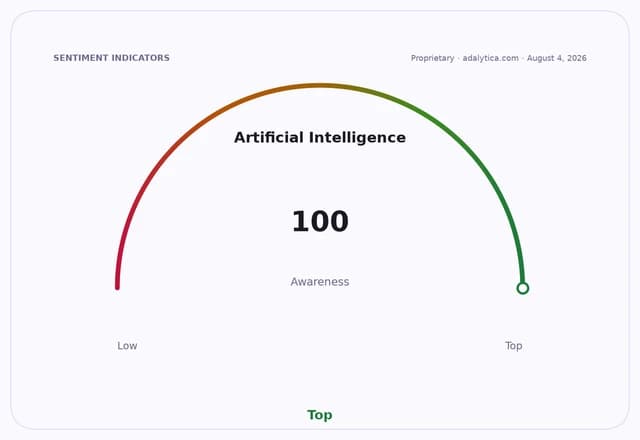
Sentiment IndicatorsⓘProprietary · adalytica.com · August 4, 2026
This is a snapshot — live sentiment, awareness and momentum for 130+ markets update continuously in the dashboard.Open AlphaPulse
For years, AI’s story was about runaway demand. Now it is increasingly about who captures the economics of that demand. DeepSeek’s model, priced at roughly 1/100th the cost of Anthropic’s latest Claude Fable 5, underscores how fast software costs can fall. But the hardware bill does not disappear. Companies such as Sony still have to source components in a market where supply shortages and pricing risk remain real, according to recent filings. Qualcomm has warned that memory availability and device pricing dynamics remain uncertain, while Apple has said component shortages and commodity inflation can pressure revenue and margins.
That matters because consumer electronics is a low-margin business even in good times. If parts costs rise faster than retailers can pass them on, manufacturers face a nasty trade-off: absorb the hit, raise prices, or cut features. In audio and home cinema, where buyers are already selective and brand loyalty matters, a few percentage points of cost inflation can be enough to push weaker players out of the market. The result could be fewer models, higher ticket prices and a more concentrated industry dominated by companies with scale, premium brands and deep supplier relationships.
Investors should care because this is where AI’s second-order effects show up. Nvidia remains central to the buildout, but its recent stock action shows how quickly expectations can swing when the market questions the durability of AI spending. Technical indicators on the shares — including a 50-day average near $205.79 and an RSI in the mid-40s — suggest the stock is still digesting a sharp reset after a powerful run. Qualcomm has also seen heavy volatility, with its shares sliding far below the 50-day moving average and an RSI around 25, a sign of deep weakness after a rapid reversal. Sony, meanwhile, sits below its 200-day average and has given back some of its earlier gains, even as its business mix offers more insulation than most consumer tech names.
The bigger narrative is that AI is moving from a pure growth story to an economics story. A model that is vastly cheaper to train or run should, over time, broaden adoption and boost demand for devices, chips and services. But in the short run, it can also intensify pricing pressure for hardware makers that depend on scarce inputs. That is especially relevant if a broader macro backdrop of elevated producer prices — the producer price index is still running well above 2021 levels — keeps component inflation sticky even as the 10-year Treasury yields around 4.7% remind markets that capital is no longer cheap.
For long-term investors, that means two things. First, the AI opportunity is still enormous, but the winners will not all be the same companies that dominated the first wave. Second, portfolio discipline matters. The best approach is still to own a diversified basket of businesses with real moats, strong cash generation and pricing power, rather than chase every hardware name tied to AI fever. Sony may remain a resilient premium brand, Nvidia the critical compute platform, and Qualcomm an important mobile and edge-AI supplier — but all three now operate in a world where cost efficiency is becoming as important as innovation.
If AI keeps lowering software costs while hardware costs stay sticky, the companies with scale and the strongest ecosystems should come out ahead. The smaller brands that cannot absorb higher input costs may not. Investors would be wise to keep that in mind and add the best names to a watchlist for the long term.
| Entity | Gains | Losses |
|---|---|---|
| Nvidia | ▲More AI compute demand | ▼Higher valuation pressure |
| Qualcomm | ▲Edge-AI device demand | ▼Margin squeeze from pricing |
| Sony | ▲Premium brand resilience | ▼Cost inflation in hardware |
| Smaller hi-fi brands | ▲Niche demand in premium segments | ▼Risk of disappearing |