Sony Group and Taiwan Semiconductor Manufacturing Co. are deepening a strategic bet on advanced image sensors with a 1 trillion yen investment in a Kumamoto factory that is slated to mass-produce next-generation chips from 2029, a move that could reshape the supply chain for smartphones, cameras and increasingly AI-enabled devices.
Sony, TSMC plan 1 trillion yen Kumamoto chip plant
The project matters because image sensors remain one of Sony’s most valuable semiconductor businesses and a key differentiator against rivals in consumer electronics, automotive and industrial imaging. A larger, more sophisticated plant in Japan gives Sony a better chance to defend that lead while TSMC extends its footprint in a segment that sits adjacent to its core logic foundry business but is becoming more important as device makers demand higher performance, lower power use and tighter integration.
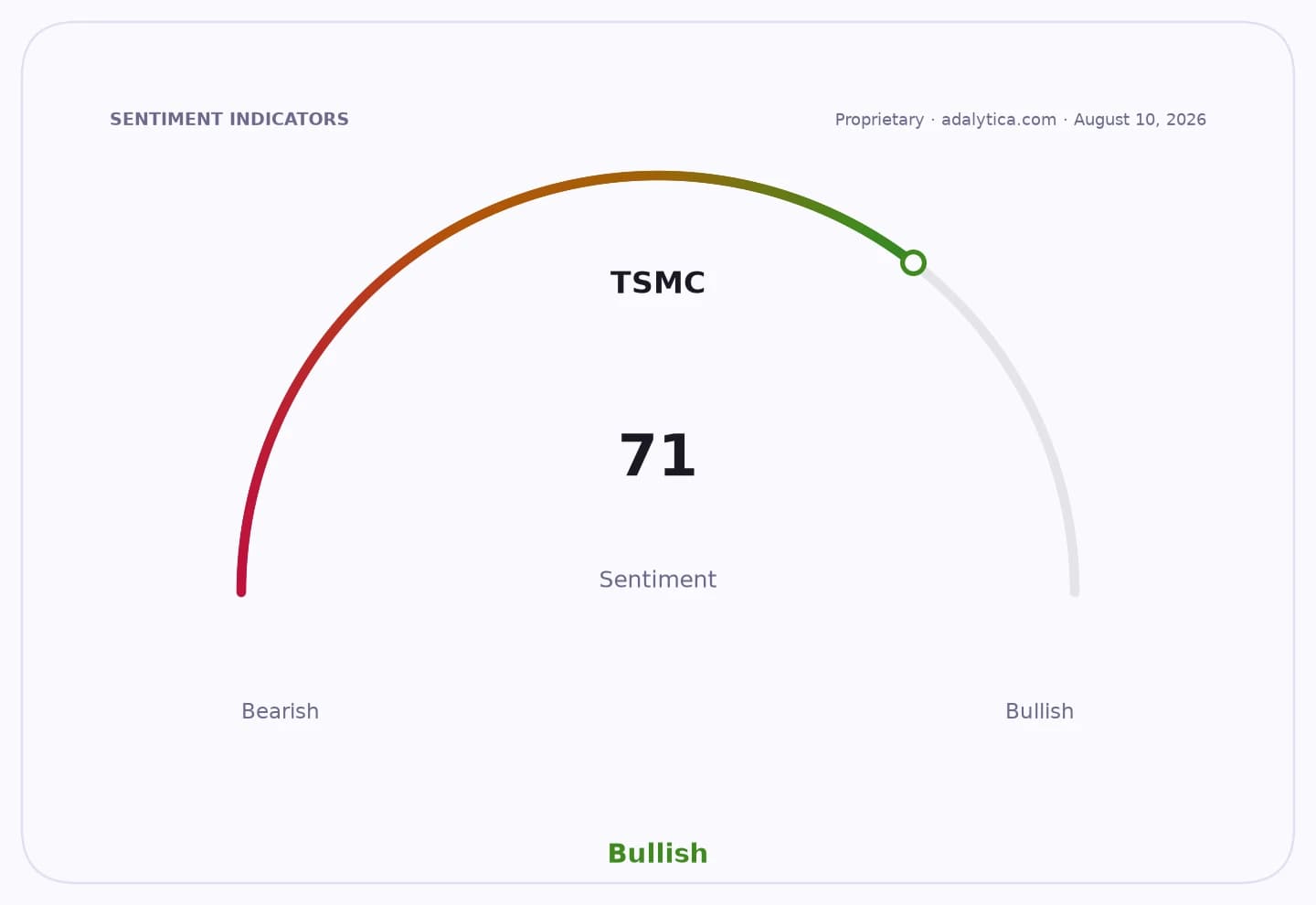
Sentiment IndicatorsⓘProprietary · adalytica.com · August 10, 2026
This is a snapshot — live sentiment, awareness and momentum for 130+ markets update continuously in the dashboard.Open AlphaPulse
For Japan, the investment is another signal that the country is trying to rebuild relevance in advanced chip manufacturing after decades of erosion. Kumamoto has already become a focal point for semiconductor re-shoring, and a 1 trillion yen project would add scale to an ecosystem that policymakers want to anchor with domestic equipment, materials and talent. For Sony, which has been investing heavily in its Imaging & Sensing Solutions division, the plant also helps lock in capacity for a product line that feeds everything from premium smartphones to automotive driver-assistance systems.
The timing is important. Sony’s stock has been trading above its 50-day moving average, with momentum indicators such as RSI in the upper 60s, suggesting investors have not lost faith in the company’s earnings power even as broader markets have gyrated. TSMC’s shares have also held well above their 200-day moving average, reflecting continued confidence that demand tied to AI, high-performance computing and advanced devices can absorb more capacity. But the size of the outlay underscores a familiar risk: execution has to be flawless, and the payoff sits years away.
That long lead time cuts both ways. Bulls will argue that the Kumamoto buildout strengthens a durable franchise at a moment when image quality, on-device AI and energy efficiency are becoming more important to device makers. Bears will note that 2029 is a long way off in a sector where product cycles are short, capex is heavy and customer concentration is high. Any slowdown in premium handset demand, a shift in sourcing, or a weaker consumer electronics cycle could make the economics look less compelling.
The venture also fits a broader industrial pattern in which chipmakers and their customers are spreading production across more geographies to reduce geopolitical and supply-chain risk. For investors, that means the headline is not just about one factory in Kyushu. It is about Sony and TSMC positioning themselves for a more capital-intensive, more regionalized semiconductor market where scale, resilience and access to leading-edge manufacturing will matter as much as design.
The key catalyst now is whether the Kumamoto project can move from strategic promise to disciplined returns. If it does, it could reinforce Sony’s grip on high-end image sensors and deepen TSMC’s role in Japan’s semiconductor revival. If it slips, investors may start questioning whether the benefits of supply-chain security and long-term positioning are worth the upfront cash.
| Entity | Gains | Losses |
|---|---|---|
| Sony Group | ▲Sensor leadership | ▼Near-term capital returns |
| TSMC | ▲Japan expansion | ▼Short-term capex burden |
| Japan semiconductor cluster | ▲Investment and jobs | ▼Noneconomic dependence on subsidies |
| Smartphone and auto customers | ▲More secure supply | ▼Potentially higher component costs |