South Africa’s AI-made film Mountain of Graves is drawing attention because it lands at the center of a bigger economic fight: whether generative tools create a cheaper path into filmmaking or begin to displace the crews, voice talent and production work that underpin the industry.
South Africa AI Film Raises Production Cost Debate
The project, from Dragon Studios and selected for the Neu Wave AI Film Festival at LA Tech Week, was commissioned by Buka Africa Game Lodge and built with AI filmmaking platforms. Its creators say the model lets small teams produce feature-scale work without the heavy costs of sets, cameras, actors and traditional post-production, a pitch that could matter for a film sector built on labor-intensive shoots and service work.
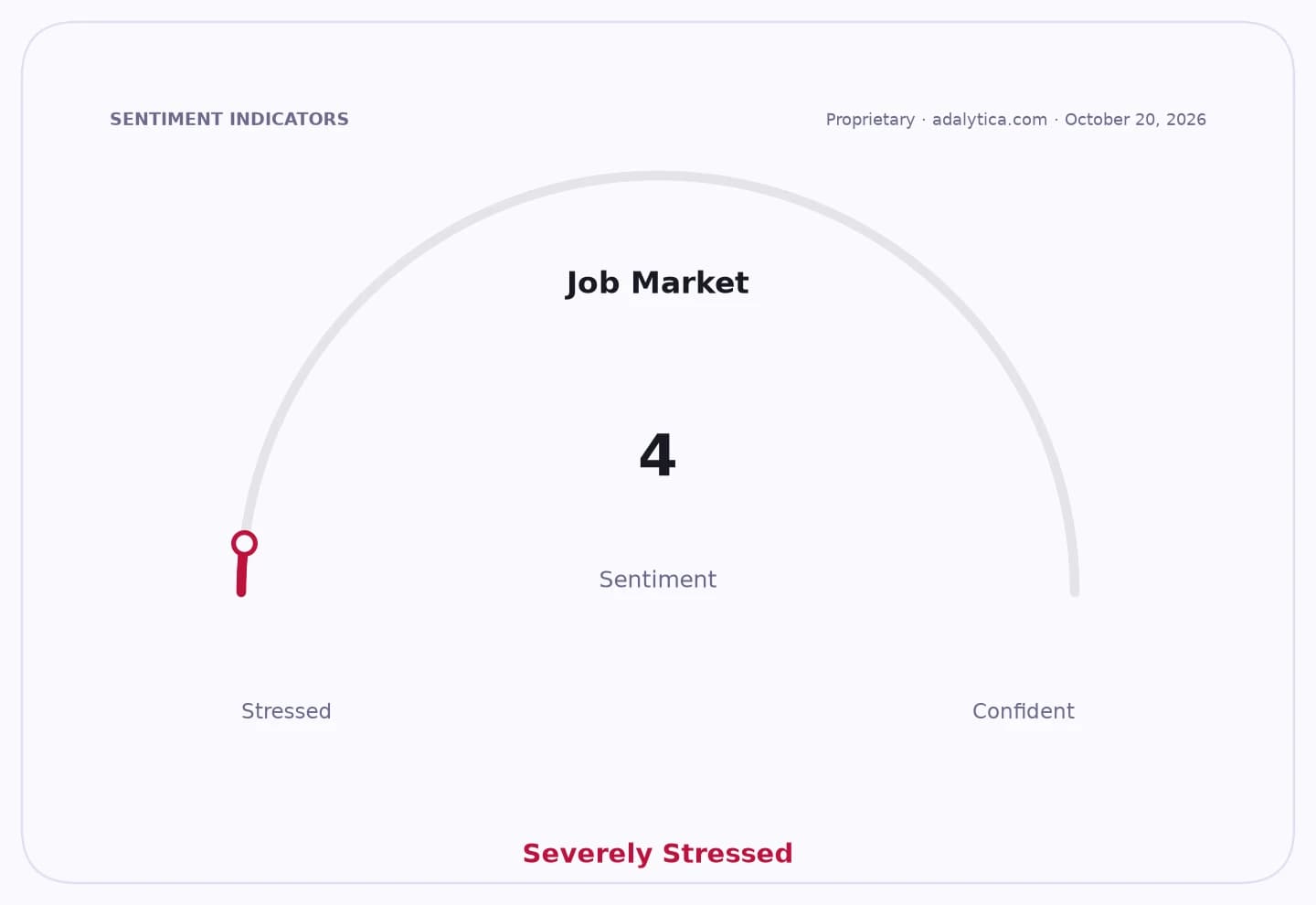
Sentiment IndicatorsⓘProprietary · adalytica.com · October 20, 2026
This is a snapshot — live sentiment, awareness and momentum for 130+ markets update continuously in the dashboard.Open AlphaPulse
That is why the job question matters. Donovan Marsh, one of the film’s creators, said AI could be “a net job creator in the long run,” but added that the shift will cause disruption as it emerges. The production used AI image generators, video generators, synthetic voices and digital sound tools, reducing the need for some conventional production roles even as it still requires writers, directors, editors and sound designers.
The stakes go beyond the studio. The film’s story — two brothers battling a mining company on ancestral land as nature turns against the project — taps into a live African economy-wide issue: the scramble for critical minerals needed for the green-energy and digital transitions. That competition is sharpening conflict over land rights, resource ownership and local control, especially where customary tenure collides with statutory mining codes.
For investors, the story lands across entertainment, software and media. AI tools that cut production costs could expand output and margins for independent creators, but they also threaten existing labor pools and could alter demand for traditional production services. Adobe’s expanding AI collaboration with Nvidia underscores how the creative software stack is moving deeper into automated workflows, while big media companies including Netflix and Disney face rising pressure to keep content pipelines efficient.
The broader narrative is that AI is moving from a novelty in film into an operating model. In South Africa, that could open the door for micro-studios and lower-budget features to compete with larger players, but it also raises policy, labor and ownership questions that are likely to intensify as more productions adopt the same tools.
| Entity | Gains | Losses |
|---|---|---|
| Dragon Studios / micro-studios | ▲Lower production costs | ▼Traditional studio pipeline |
| Writers, editors, directors | ▲New creative leverage | ▼Some routine production roles |
| Voice actors / crew | ▲Demand for specialized work | ▼Jobs in set-based filmmaking |
| Adobe / Nvidia | ▲More AI workflow adoption | ▼Legacy manual creative tools |