South African consumers are carrying a debt burden that has become too large to ignore, and the investment case now turns on who gets paid first and who gets squeezed next.
South Africa Debt Squeeze Pressures Lenders and Retailers
Citizens’ personal loan and credit card debt has climbed above 7 trillion rand, a level that underscores how deeply households are leaning on borrowing to keep up with rising living costs. That matters because when unsecured debt swells faster than income, the effect is usually visible not only in delinquency rates but also in slower consumer spending, tighter credit standards and weaker growth for the broader economy.
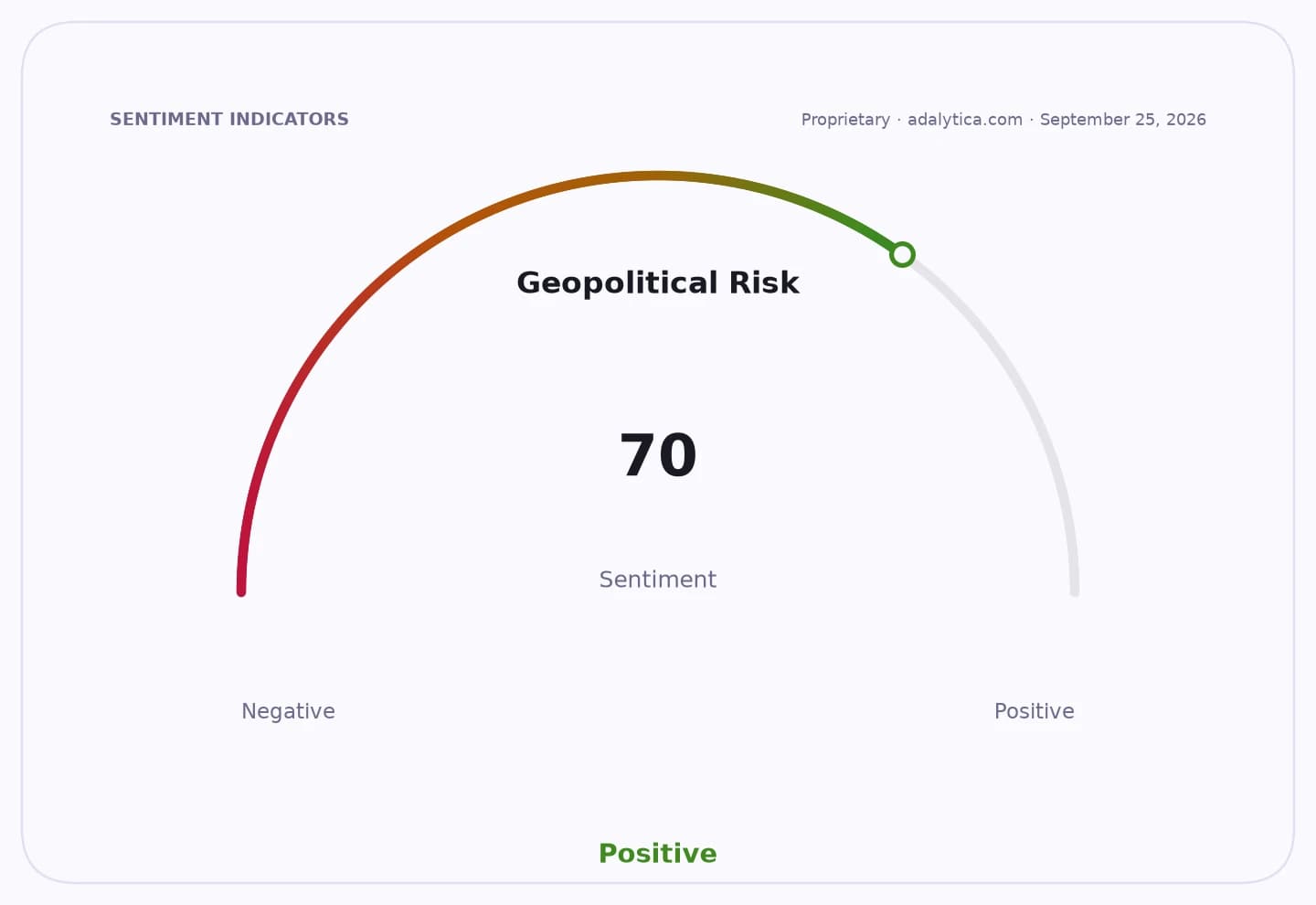
Sentiment IndicatorsⓘProprietary · adalytica.com · July 16, 2026
This is a snapshot — live sentiment, awareness and momentum for 130+ markets update continuously in the dashboard.Open AlphaPulse
The strain is already showing up in credit-market signals. South African household debt has reached R2.4 trillion in separate reporting, with millions of consumers impaired on their credit records and struggling to stay current on repayments. That kind of stress tends to ripple through banks, lenders and retailers long before it becomes obvious in headline macro data.
For investors, the key question is not whether debt is high — it is whether the pain is getting worse and where the pressure will surface first. Consumer lenders may still grow balances, but the trade-off is rising write-offs and thinner risk-adjusted returns. Banks with disciplined underwriting and stronger deposit franchises are better positioned than fast-growing unsecured lenders, while retailers and discretionary brands face a softer customer base that may keep volumes under pressure.
There are already hints that credit quality is becoming a larger market issue. American Express recently disclosed delinquency and write-off data on its U.S. consumer and small-business card books, a reminder that even premium lenders are closely managing repayment trends. In South Africa, where household finances are more fragile and rates remain restrictive relative to income growth, the margin for error is much smaller.
The broader macro narrative is simple: a debt overhang can act like a tax on consumption. Every rand diverted to servicing loans is a rand not spent in the economy, and that can slow everything from retail sales to services demand. If borrowing keeps rising while wages and job creation lag, the country risks locking in a cycle of weak consumption, higher credit stress and cautious lending.
That is why investors should position for selectivity, not broad exposure. The winners are likely to be lenders with superior underwriting, collections and funding; the losers are highly levered consumers, subprime credit providers and discretionary sellers exposed to a squeezed household. This is exactly the kind of setup where capital should rotate toward balance-sheet strength and away from volume-at-any-cost growth.
| Entity | Gains | Losses |
|---|---|---|
| Strong banks | ▲Lower-risk lending share | ▼Less upside from unsecured growth |
| Unsecured lenders | ▲Short-term loan demand | ▼Rising defaults and write-offs |
| Retailers | ▲None | ▼Softer consumer spending |
| Households | ▲Access to cash flow | ▼Higher repayment pressure |