South Africa’s rand was little changed near 16.2 per dollar as investors waited for local labour figures, while a slight pullback in U.S. Treasury yields and tighter global credit conditions kept broader emerging-market sentiment cautious.
South African rand holds near 16.24 per dollar

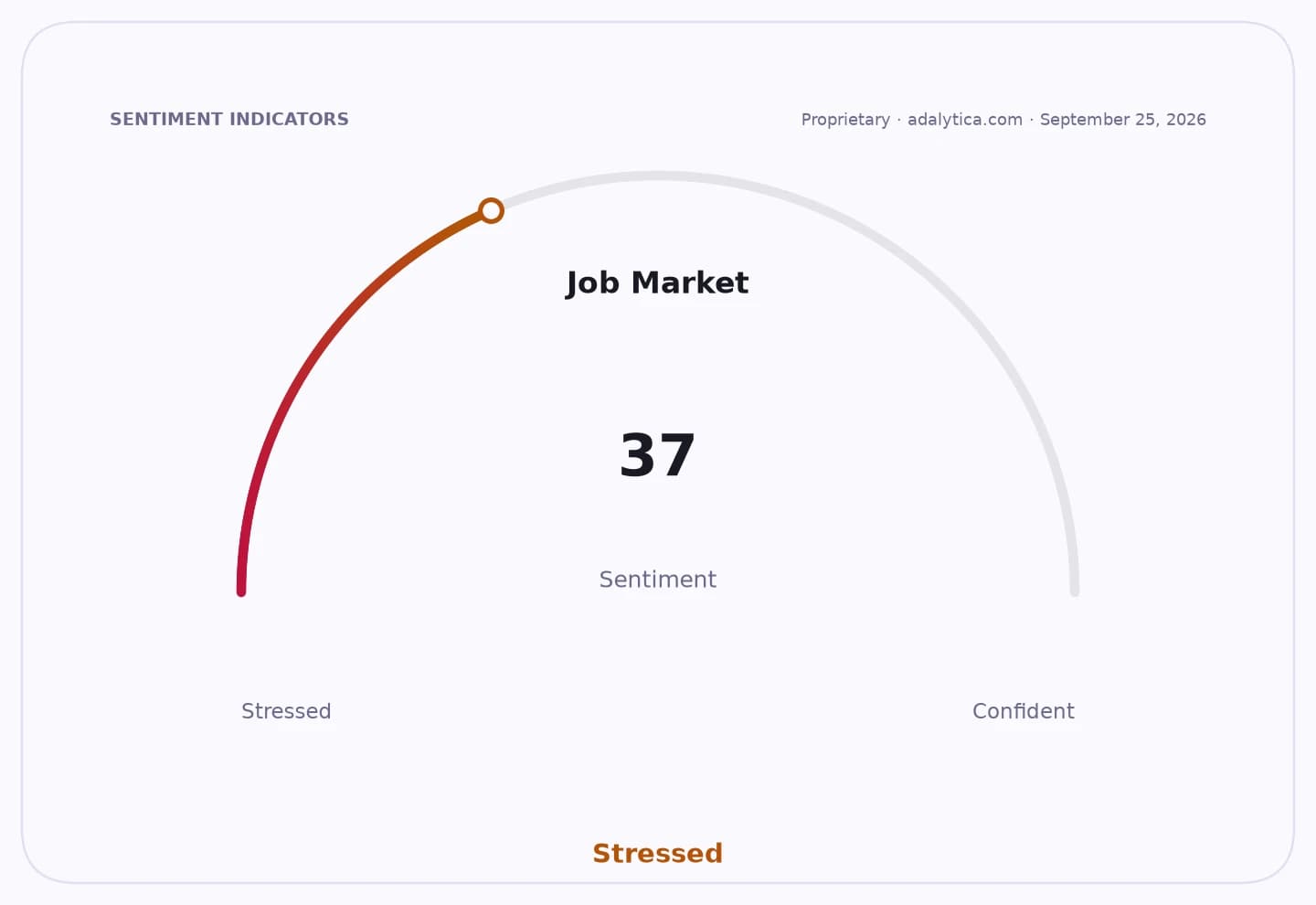
The currency’s steady tone suggests traders are reluctant to build a directional bet before a read on the health of South Africa’s labour market, which is one of the clearest gauges of domestic demand and the room policymakers have to keep monetary settings restrictive. A soft jobs print would reinforce the view that growth remains fragile and could temper expectations for further tightening, but it would also deepen concerns about consumer spending and fiscal revenues. A stronger number would do the opposite, supporting the rand by improving the outlook for activity, though it could also keep the Reserve Bank on alert over inflation.
By late trading, USD/ZAR was at 16.24, close to its recent range and below its 50-day moving average of 16.42, while the 200-day average stood at 16.54. The pair has drifted lower from 16.58 on June 11, underscoring a modest improvement in sentiment toward the currency even as it remains vulnerable to offshore moves. The RSI reading of 43.1 points to a market that is neither overbought nor oversold, and the MACD remains below its signal line, suggesting momentum has softened rather than accelerated.
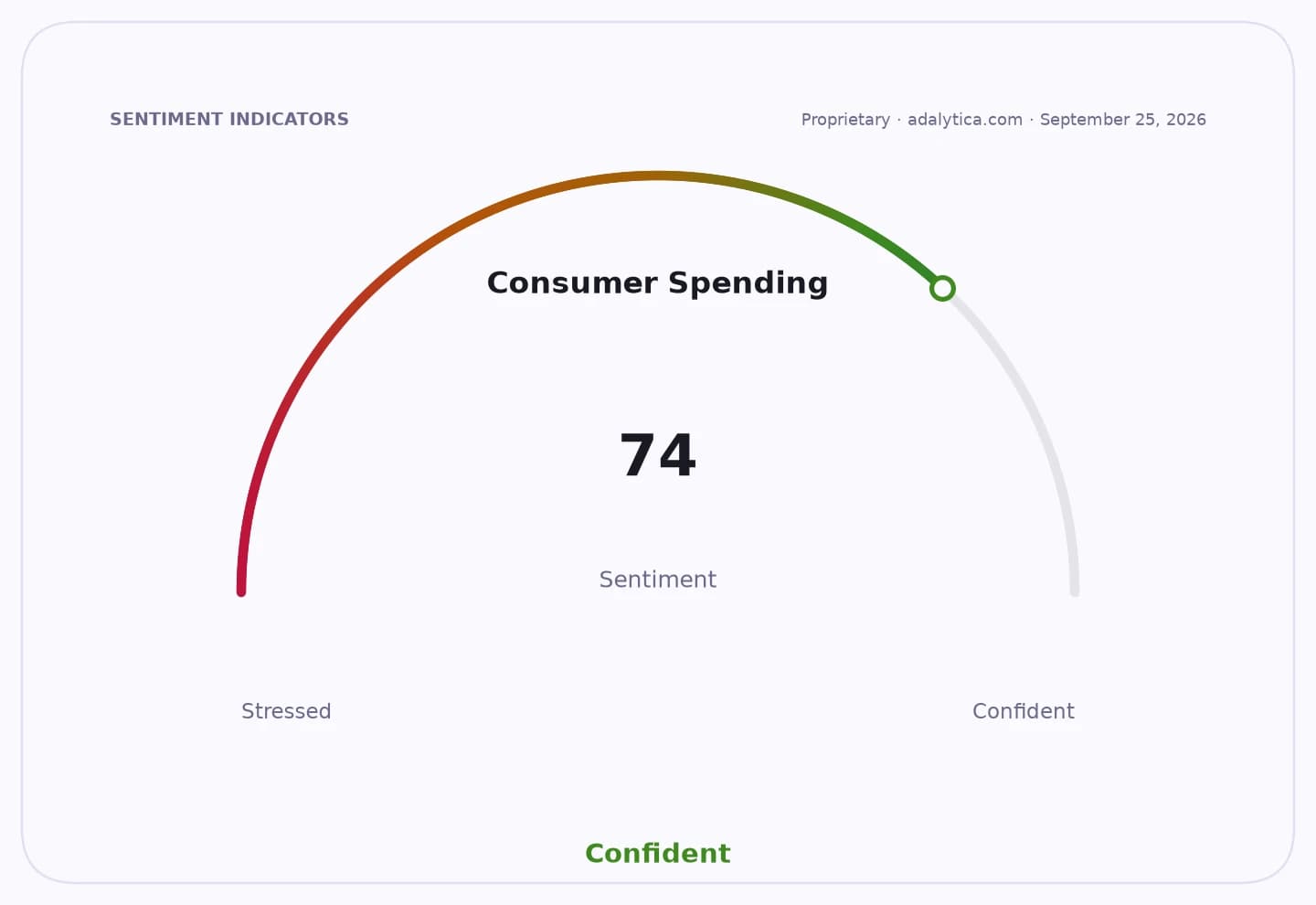
The rand’s stability also matters because South Africa is still highly sensitive to the interplay between domestic data and global risk appetite. A firmer currency can help ease imported inflation and support local bonds, but it can also reflect a weak growth backdrop if investors are simply waiting for clearer signals. For the country’s policymakers, particularly the central bank, labour-market resilience is central to the inflation-growth balance: a labour market that holds up gives room to defend the currency, while a deterioration would argue for caution.
The U.S. backdrop offered limited support. The benchmark 10-year Treasury yield hovered around 4.65%, down marginally from recent levels, while high-yield credit spreads narrowed to about 268 basis points. That combination points to slightly calmer global conditions, but not enough to trigger a broad rush into riskier assets. For South African markets, that leaves the rand trading more on domestic data than on a strong external tailwind.
Investors will be watching whether the jobs release confirms a labour market that is resilient enough to support growth without reigniting inflation. A disappointing print would likely keep the rand range-bound or softer and could drag on locally focused South African assets. A positive surprise would improve the case for the currency, but sustained gains will still depend on a broader rebound in risk appetite and signs that South Africa’s economy can grow without fresh pressure on prices.
| Entity | Gains | Losses |
|---|---|---|
| South African rand | ▲Stable range trading | ▼Volatility from weak labour data |
| South African bond market | ▲Easier inflation outlook if rand firms | ▼Pressure if jobs data disappoints |
| Local borrowers/consumers | ▲Better funding conditions if growth holds | ▼Tighter credit if labour weakens |
| Dollar bulls | ▲Fed yield support if risk fades | ▼Softer dollar if yields keep easing |