South Africa’s rand is outperforming most emerging-market currencies as Brent-linked crude retreats below $80 a barrel, easing a key source of imported inflation and improving the outlook for current-account balances across oil-consuming economies.
South African rand gains as Brent slips below $80
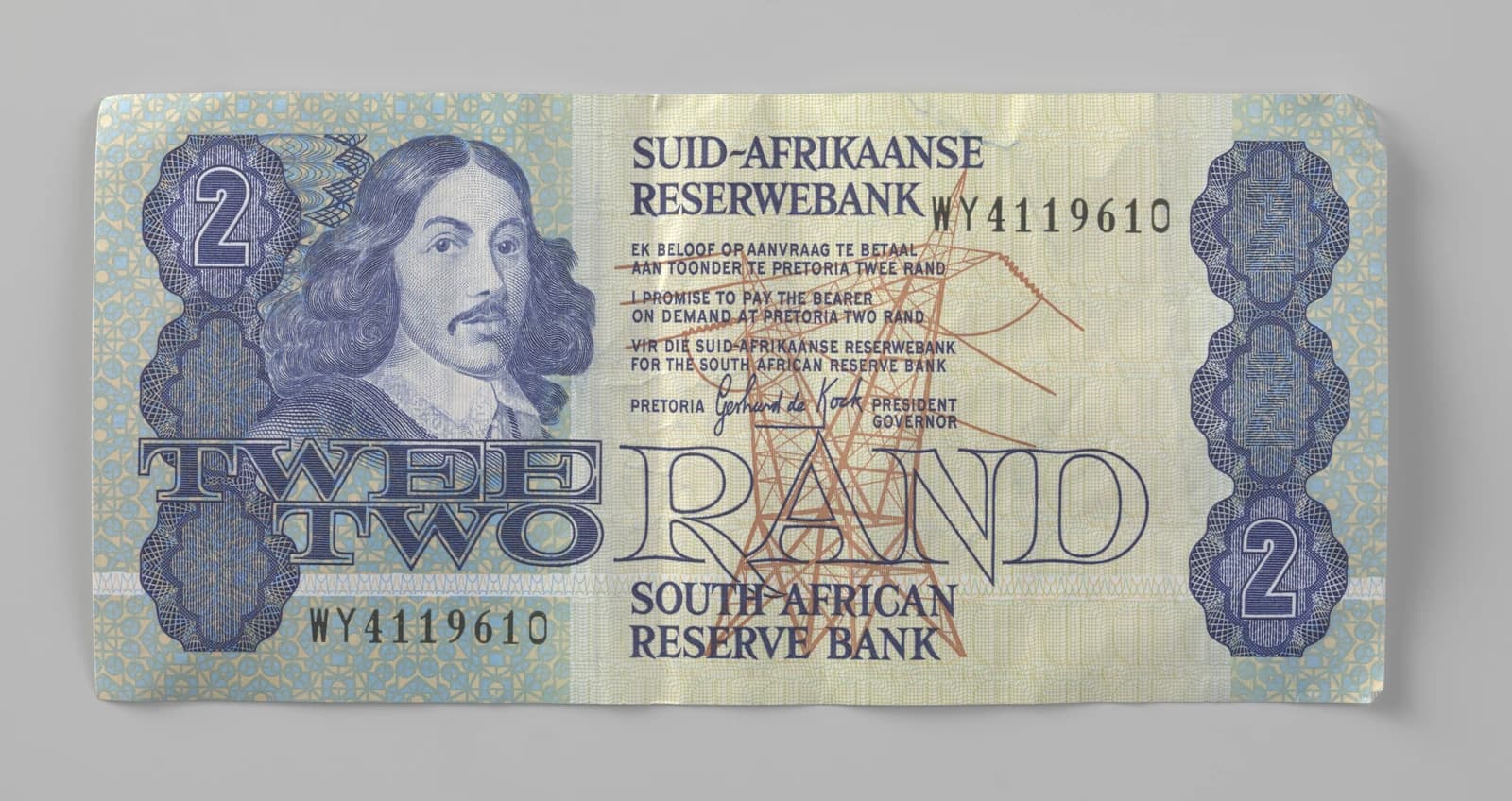
The move matters because oil remains one of the biggest terms-of-trade shocks for emerging markets. When crude falls, countries that import fuel see immediate relief in their trade bills, inflation expectations and, in some cases, central-bank pressure. That tends to help currencies such as the rand, which are highly sensitive to shifts in global risk appetite and energy costs.
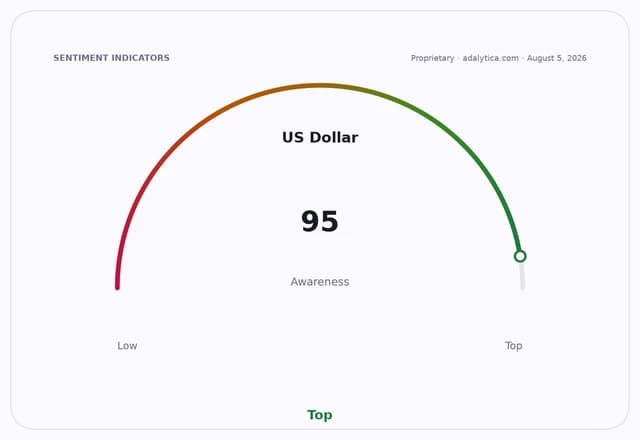
Sentiment IndicatorsⓘProprietary · adalytica.com · August 5, 2026
This is a snapshot — live sentiment, awareness and momentum for 130+ markets update continuously in the dashboard.Open AlphaPulse

US crude futures, meanwhile, slipped to $75.07 a barrel on Aug. 5 after touching $80.34 two sessions earlier, according to the price data supplied. The decline followed a volatile run that had briefly pushed oil well above its 50-day moving average, before prices eased back toward the 200-day average near $76. The latest reading leaves West Texas Intermediate below the psychologically important $80 level and well off the March spike above $100, a sign that the market is reassessing the balance between geopolitical risk and supply.
The drop also comes as investors rotate back into emerging-market assets more broadly. The iShares MSCI Emerging Markets ETF closed at 65.91, up from 61.07 on July 29, while its 50-day moving average has flattened around 66.4, suggesting the asset class is trying to stabilize after a midsummer selloff. For currency markets, the combination of softer oil and a still-strong dollar has created a mixed backdrop, but commodity importers are drawing the most relief.
That matters for South Africa in particular. The rand is deeply exposed to global commodity swings, but unlike major energy exporters it benefits when the oil import bill shrinks faster than metal prices or capital inflows deteriorate. Cheaper crude can also ease South Africa’s domestic inflation path, potentially giving the South African Reserve Bank more room to avoid a hawkish bias for longer. For investors, that supports the case for local bonds and currency-sensitive equities if the decline in oil proves durable.
The move in oil also helps explain why broad risk sentiment has held up. Adalytica’s US dollar trade signals remain in “Extreme Greed,” but emerging-market sentiment has improved enough for the space to keep pace, even as the dollar remains firm. The nuance matters: a stronger dollar usually hurts emerging markets, yet lower oil prices can offset part of that pressure by improving external accounts and cooling inflation.
Still, the bull case for the rand and other emerging-market winners depends on oil staying contained. A renewed Middle East supply shock, an OPEC+ production surprise or another spike in shipping risk could quickly reverse the terms-of-trade benefit. The bear case is that a strong dollar and fragile global growth would overwhelm the oil tailwind, leaving the rand exposed again. For now, though, the market is treating cheaper crude as a net positive for oil-importing emerging markets and a modest support for risk assets.
| Entity | Gains | Losses |
|---|---|---|
| Rand | ▲Lower import bill | ▼Oil exporters |
| South Africa | ▲Softer inflation pressure | ▼Fuel importers’ costs ease less |
| Emerging-market bonds | ▲Better external balances | ▼Dollar hedges |
| Oil producers | ▲Higher revenues from high crude | ▼Currency-sensitive importers |