Vietnam’s decision to speak out over the Philippines-China confrontation at Second Thomas Shoal matters because it signals that Beijing’s use of coast guard force is no longer being treated as a bilateral nuisance — it is increasingly being viewed across Southeast Asia as a regional market and security risk.
South China Sea tensions favor defense and ASEAN hubs
That shift is economically significant. When disputed waters become more volatile, the premium rises on shipping, energy routes, defense spending and supply-chain diversification. Investors tend to miss that South China Sea tensions are not just a geopolitical headline; they are a capital-allocation catalyst. They push governments to spend more on maritime security, encourage companies to reroute or de-risk logistics, and strengthen the case for defense, shipbuilding, port infrastructure and alternative trade corridors.
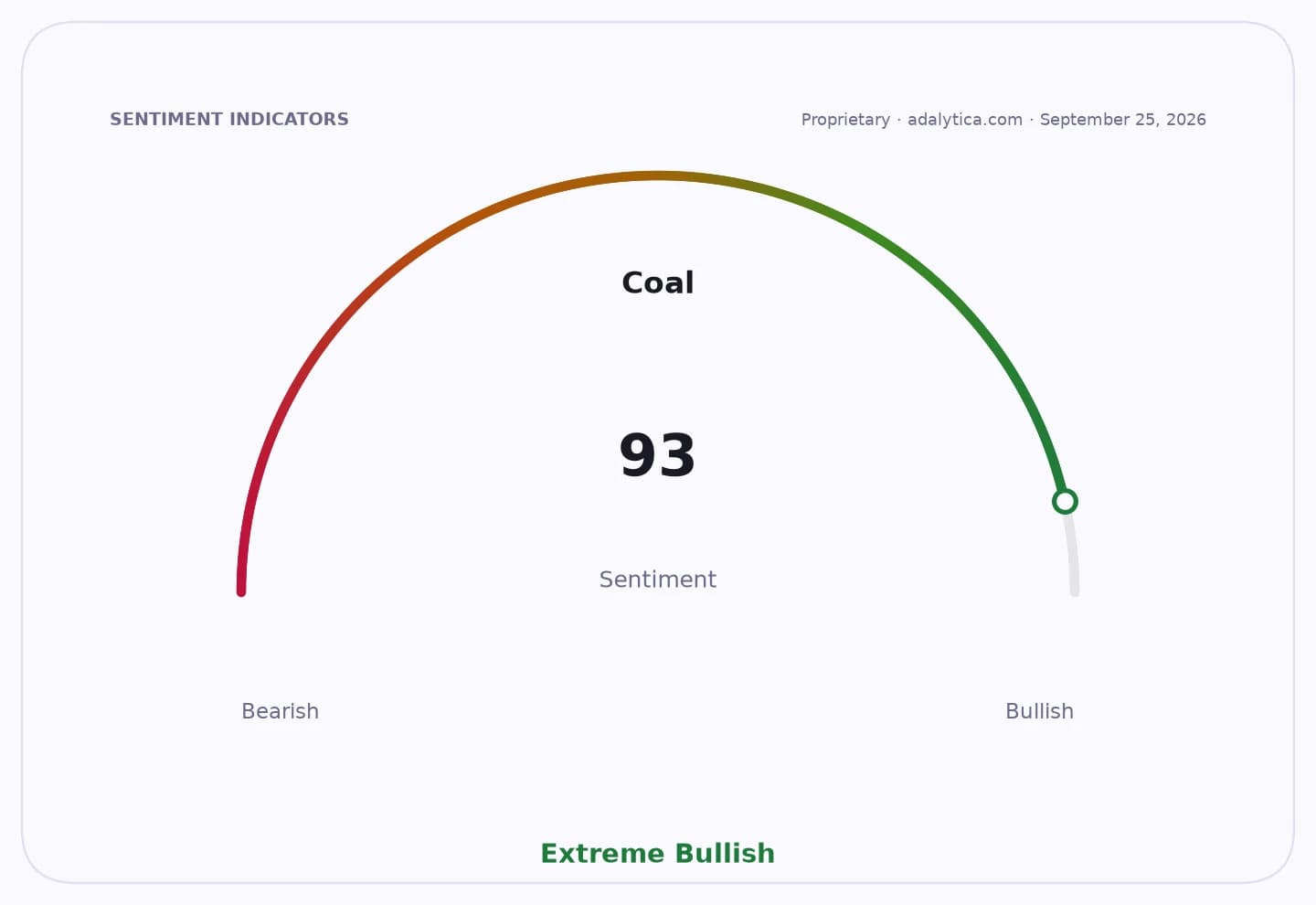
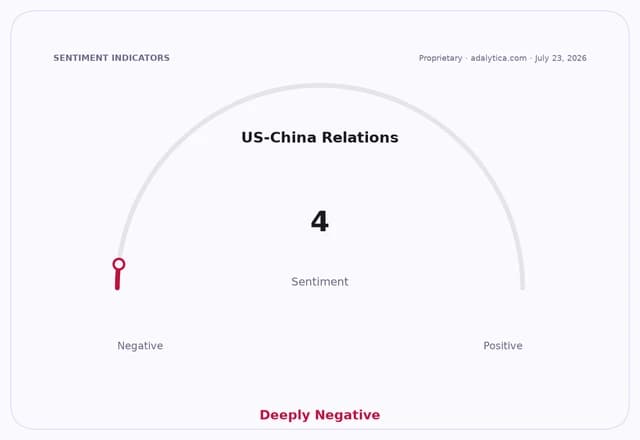
Sentiment IndicatorsⓘProprietary · adalytica.com · July 23, 2026
This is a snapshot — live sentiment, awareness and momentum for 130+ markets update continuously in the dashboard.Open AlphaPulse
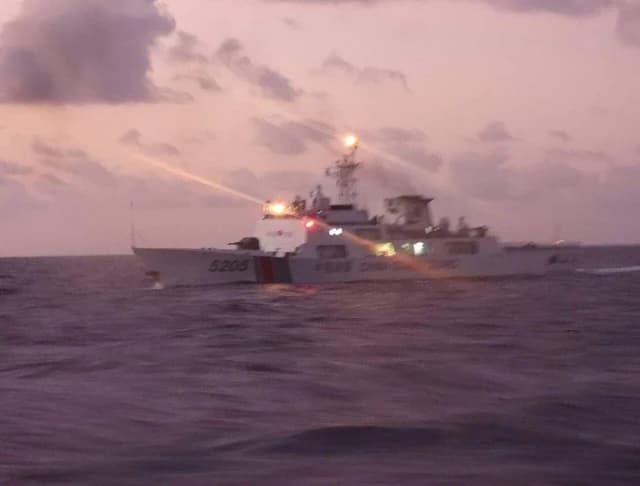
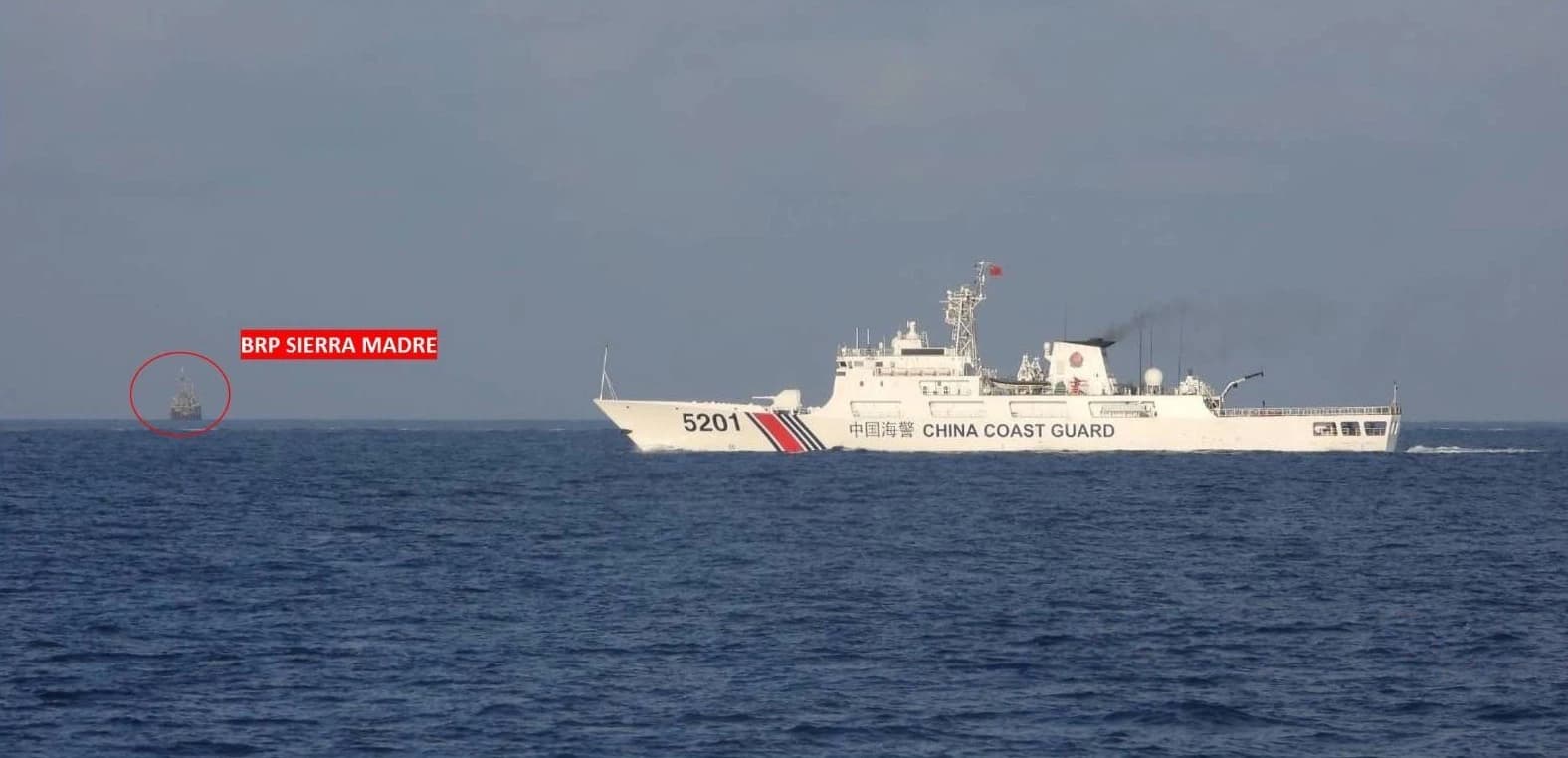
The latest clash near the Philippine outpost at Second Thomas Shoal, where Manila accused China of water cannon use and coercive tactics, is exactly the kind of incident that can harden regional attitudes. Vietnam’s public intervention is important because Hanoi usually calibrates its language carefully. When it speaks up, it is a warning that the dispute is spilling beyond the Philippines and into the broader contest over freedom of navigation and sovereign rights in the South China Sea.
Markets have started to price that risk, but not fully. The Adalytica Global Stability Sentiment gauge is in “Extreme Fear,” while the U.S.-China relations reading has also collapsed to “Extreme Fear,” underscoring how quickly geopolitical stress is mounting. That kind of backdrop tends to favor assets tied to resilience rather than reconciliation: defense contractors, maritime security suppliers, and companies that benefit from supply-chain relocation into Vietnam, Malaysia and other ASEAN hubs.
Geopolitical Risk — 30-day sentimentadalytica.com
Explore this data interactively — full history, time series and cross-market comparisons.Open AlphaPulse
The move also comes as investors are already seeking hedges against concentration risk in China. China-linked ETFs have been volatile, but not every regional loser is the same. A prolonged escalation in the South China Sea is negative for Chinese diplomatic leverage and for trade continuity, yet it can be constructive for countries trying to attract manufacturing as firms diversify away from single-point Asian exposure. Vietnam, in particular, stands to gain if multinational companies keep moving assembly and electronics capacity farther from the flashpoint.
For investors, the message is straightforward: the market underestimates how often maritime friction turns into a secular re-rating for defense and infrastructure beneficiaries. The best opportunities are not in chasing every headline but in owning the toll roads of geopolitical stress — the firms that get paid whether tensions calm or worsen. That means looking past the noise and positioning in defense ETFs, shipbuilders, port operators and Vietnam-exposed industrial names before the next incident forces the issue back into price.
The Second Thomas Shoal dispute is therefore more than another South China Sea flare-up. Vietnam’s reaction shows the region is preparing for a longer contest, and that makes maritime security and supply-chain relocation one of the most investable geopolitical themes of the year.
| Entity | Gains | Losses |
|---|---|---|
| Vietnam | ▲Regional relevance | ▼Short-term diplomatic risk |
| Defense contractors | ▲Higher spending | ▼None directly |
| Chinese maritime pressure | ▲Tactical leverage | ▼Broader trust |
| ASEAN supply-chain hubs | ▲Manufacturing inflows | ▼China-centric trade flows |