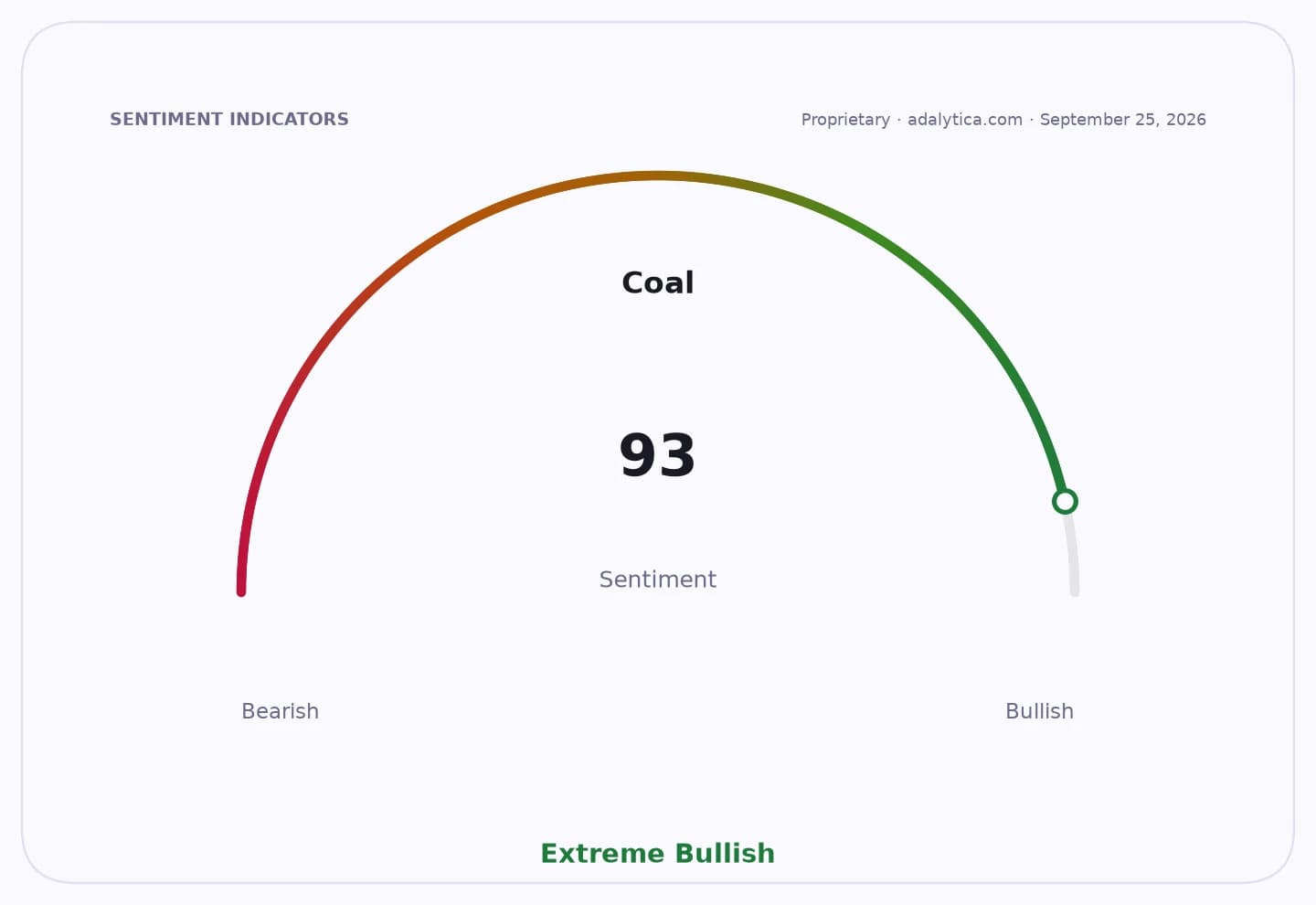
The return of an American nuclear-powered aircraft carrier to the South China Sea is a reminder that the biggest risk in global markets is not always inflation or rates — sometimes it is a shipping lane.
South China Sea Tensions Favor Defense Contractors
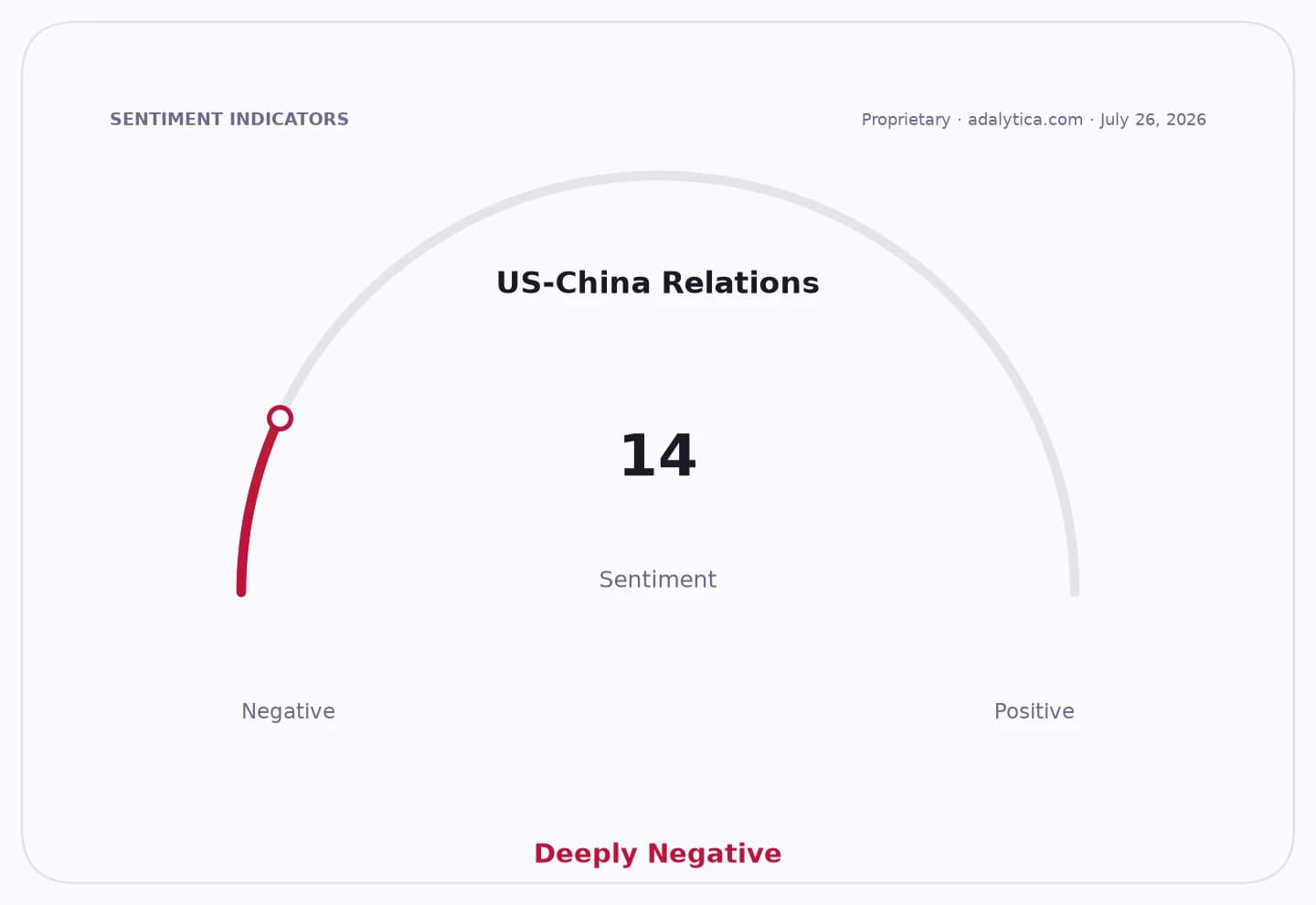
An international strike group centered on the USS George Washington is being used to show force in one of the world’s most important trade corridors, where China’s aggressive moves have already rattled neighbors and raised the odds of a miscalculation. For investors, that matters because the South China Sea is not just a geopolitical flashpoint; it is a critical artery for energy, electronics and industrial goods that underpin global growth.
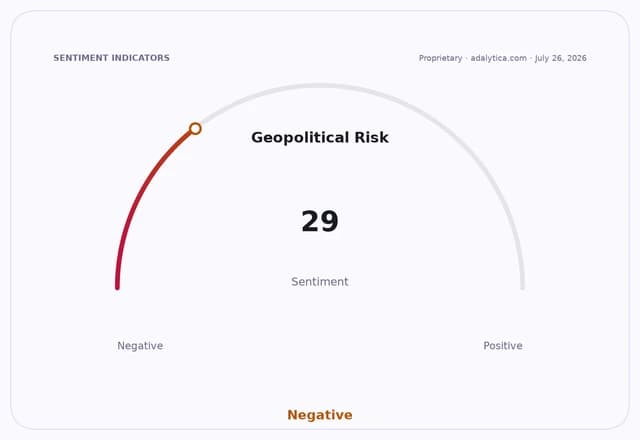
When tensions rise there, the first effect is often psychological. But the second can be more lasting: higher defense budgets, stronger demand for shipbuilding and naval systems, and a renewed premium on companies tied to maritime security. That is why Huntington Ingalls Industries, Lockheed Martin and Northrop Grumman deserve attention. These are not trading vehicles for the next headline. They are long-duration beneficiaries of a world that is becoming more willing to spend on deterrence.
The market already reflects some of that reality. Huntington Ingalls has been volatile, but the stock remains well above its 50-day moving average, a sign that investors still see value in the Navy shipbuilding cycle despite recent swings. Lockheed Martin has pushed decisively higher and trades above both its 50-day and 200-day averages, while Northrop Grumman has recovered from a sharp spring selloff and is trying to rebuild momentum. Those are conventional technical indicators, but the bigger story is fundamentals: a more dangerous world usually means more durable defense demand.
Geopolitical Risk vs HIIadalytica.com
Explore this data interactively — full history, time series and cross-market comparisons.Open AlphaPulse
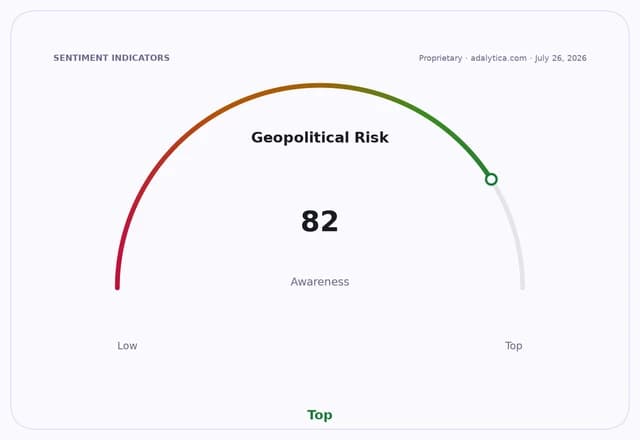
That is especially true as Washington and its allies look to reassure partners in Asia. The news context around the South China Sea shows why the carrier deployment matters. China’s assertiveness has drawn condemnation from U.S. lawmakers, and regional governments are pushing for rules that can reduce the odds of a shipping or fishing incident turning into something worse. Even if a formal code of conduct advances, it is unlikely to eliminate the strategic rivalry that keeps defense procurement elevated.
For investors, the lesson is not to chase every burst of fear. It is to recognize that defense is increasingly a compounding story. Aircraft carriers, submarines, missile systems and command-and-control networks are all expensive, difficult to replace and rooted in multi-year contracts. That gives well-run contractors a visibility that many cyclical businesses lack.
There are risks, of course. Defense stocks can become expensive when tension spikes, and budget politics can slow contract timing. A de-escalation in Asia could cool the urgency. But for long-term investors, the broader setup still favors holding quality names tied to national security and naval power, not trying to guess the next headline.
If the South China Sea remains a zone of friction rather than settlement, the winners are likely to be the companies that build and equip the fleets keeping sea lanes open. That makes the latest carrier deployment worth watching closely — and worth keeping on a long-term investor’s radar.
| Entity | Gains | Losses |
|---|---|---|
| U.S. defense contractors | ▲Higher demand outlook | ▼Less urgency if tensions ease |
| Huntington Ingalls | ▲Navy shipbuilding relevance | ▼Margin pressure from program delays |
| Lockheed Martin | ▲Missile and systems spending | ▼Valuation risk if rally overextends |
| China-linked trade routes | ▲Protection focus | ▼Greater disruption risk |