South Chungcheong Province’s growing damage complaints are sharpening investor attention on the costs of running a power system dominated by coal plants and long transmission lines, a problem that could force faster policy change and shift capital toward cleaner, more flexible generation.
South Chungcheong Complaints Pressure Korea Coal Power Buildout
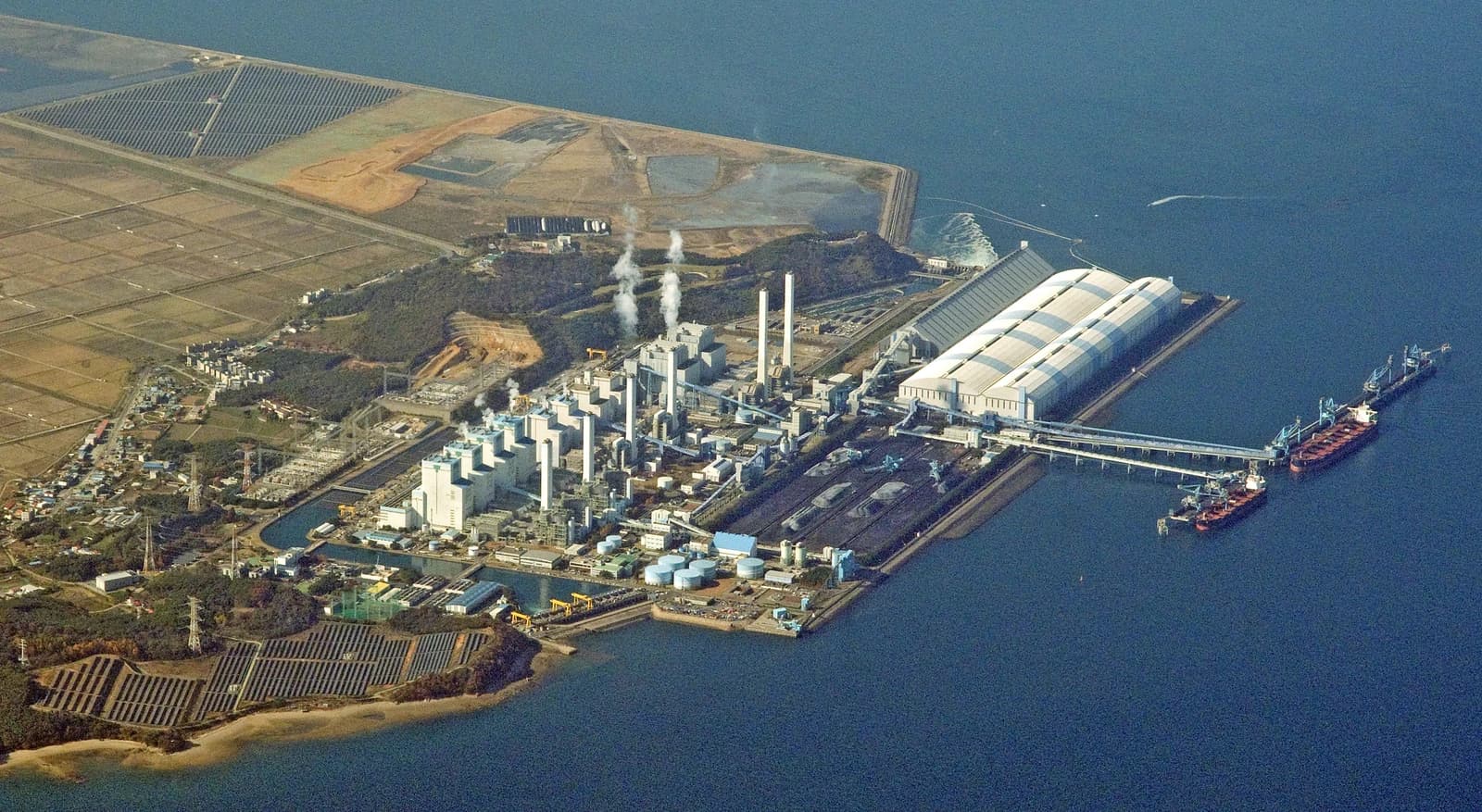
The region sits at the center of South Korea’s thermal power buildout, with coal-fired stations and transmission corridors carrying electricity to the country’s industrial heartland. That makes the complaint politically significant and economically costly: when communities push back against the footprint of the grid, it raises the risk of delays, compensation claims and tougher permitting for new capacity and wires. For an economy that still depends on reliable baseload power, the issue is not just environmental — it is about the resilience and cost of electricity supply.
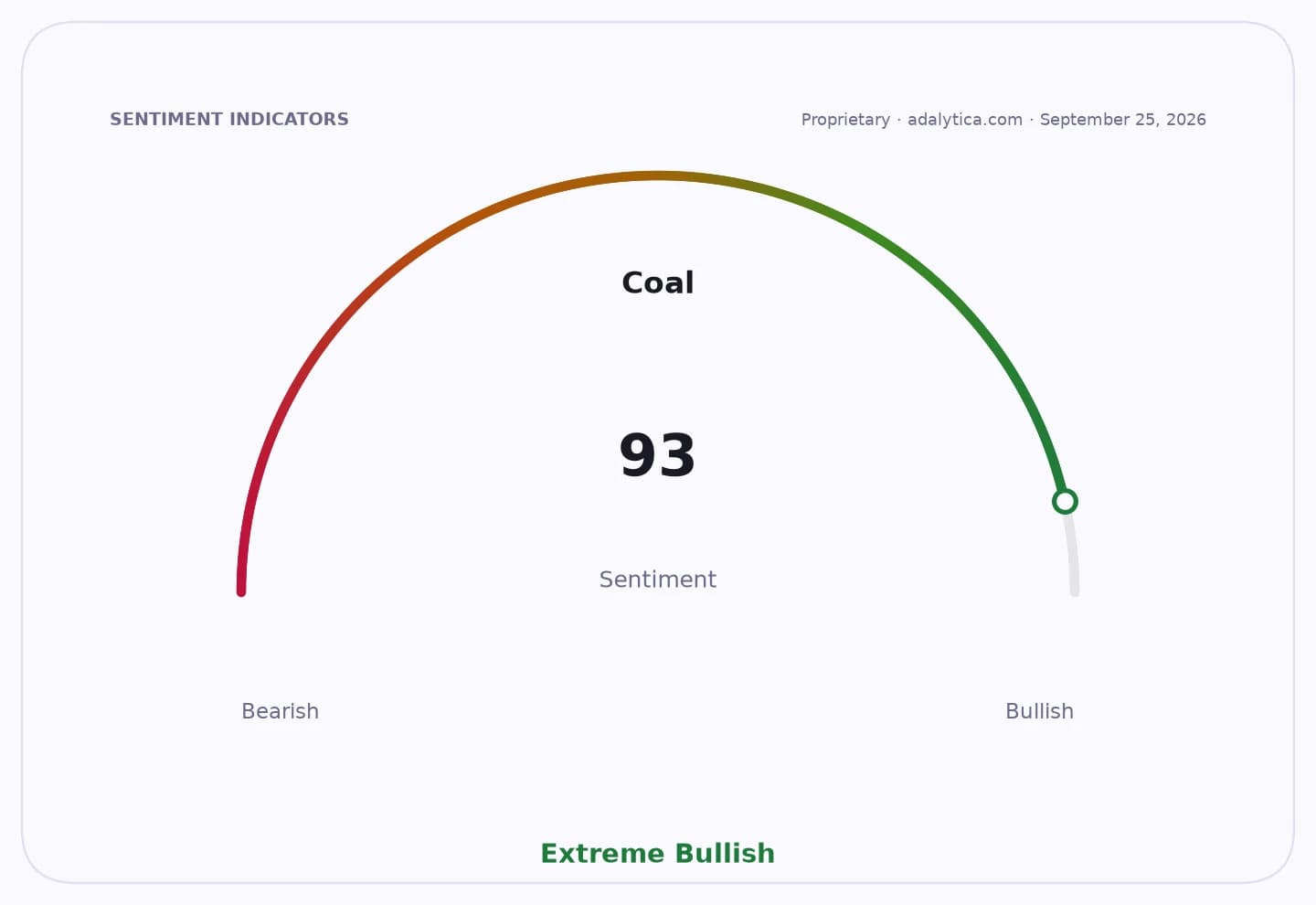
Sentiment IndicatorsⓘProprietary · adalytica.com · August 10, 2026
This is a snapshot — live sentiment, awareness and momentum for 130+ markets update continuously in the dashboard.Open AlphaPulse
The market implication is that infrastructure-heavy utilities and power developers face a more complicated investment path. Projects tied to coal and transmission expansion can attract regulatory resistance, while alternatives such as gas, renewables, storage and nuclear gain relative appeal as policymakers look for ways to keep the lights on without deepening local opposition. That creates a tension familiar across developed markets: the more urgent the need for grid reinforcement, the harder it can become to execute it.
For investors, the story matters because power-sector returns increasingly depend on execution risk, not just demand growth. Utilities exposed to thermal generation and transmission buildout may confront higher capital costs, slower project timelines and more political friction. By contrast, companies positioned around cleaner generation, efficiency upgrades and decentralized systems could benefit if South Korea accelerates a broader energy transition to reduce the burden on communities like South Chungcheong.
The backdrop is not unique to Korea. Similar pressures are building across Asia and Europe as governments confront the trade-off between energy security and local opposition to large-scale energy infrastructure. Switzerland’s largest power producer, Axpo, is even weighing new nuclear capacity as drought and the limits of solar sharpen concerns about supply stability, underscoring how the search for dependable power is forcing a rethink across the sector.
In the near term, investors should watch whether South Chungcheong’s complaints turn into formal restrictions, compensation demands or delays to new projects. Any of those would ripple through utility earnings forecasts, grid investment plans and the valuation premium attached to companies able to deliver power with a smaller local footprint.
| Entity | Gains | Losses |
|---|---|---|
| Clean-energy developers | ▲Faster policy support | ▼Coal-heavy incumbents |
| Local residents in South Chungcheong | ▲Less pollution pressure | ▼Utility expansion plans |
| Utilities with flexible generation | ▲Relative investment appeal | ▼Thermal power operators |
| Grid equipment suppliers | ▲Higher demand for modernization | ▼Coal-linked transmission projects |