South Korea is moving its AI strategy out of pilot mode and into industrial deployment, with next year’s budget surging 84% to 9.4 trillion won as Seoul tries to build a domestic stack that spans frontier models, cybersecurity and consumer services.
South Korea Raises AI Budget for GPUs and Cybersecurity
The increase matters because it is not just another spending pledge: it is the funding base for a coordinated national push to secure compute, train large models and push AI into everyday use. In a global market where the best models are increasingly defined by access to GPU capacity, data and deployment scale, South Korea is effectively choosing to compete on infrastructure as much as software. That has implications for the country’s tech suppliers, its telecoms, cloud providers and, ultimately, the durability of domestic AI demand.
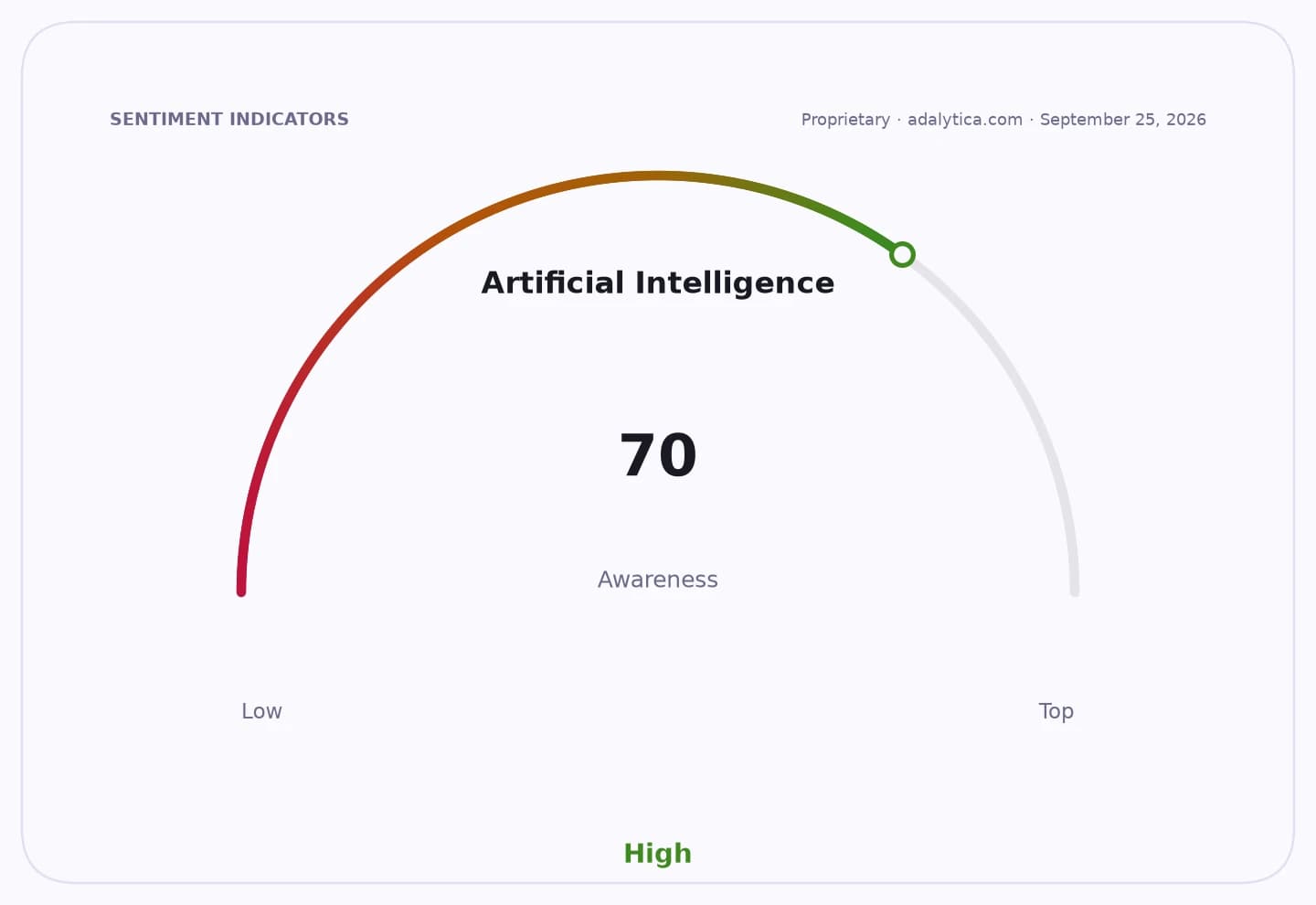
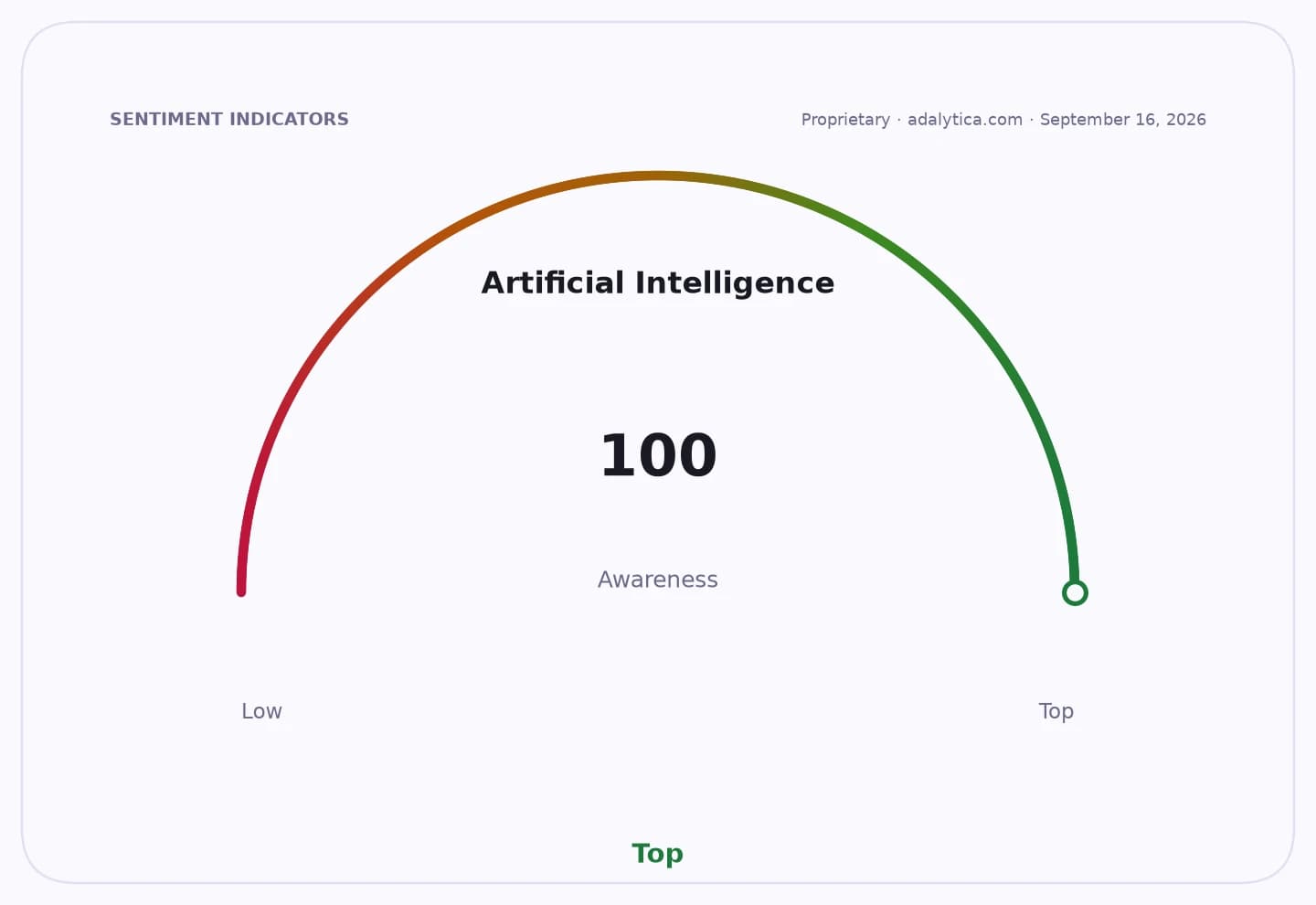
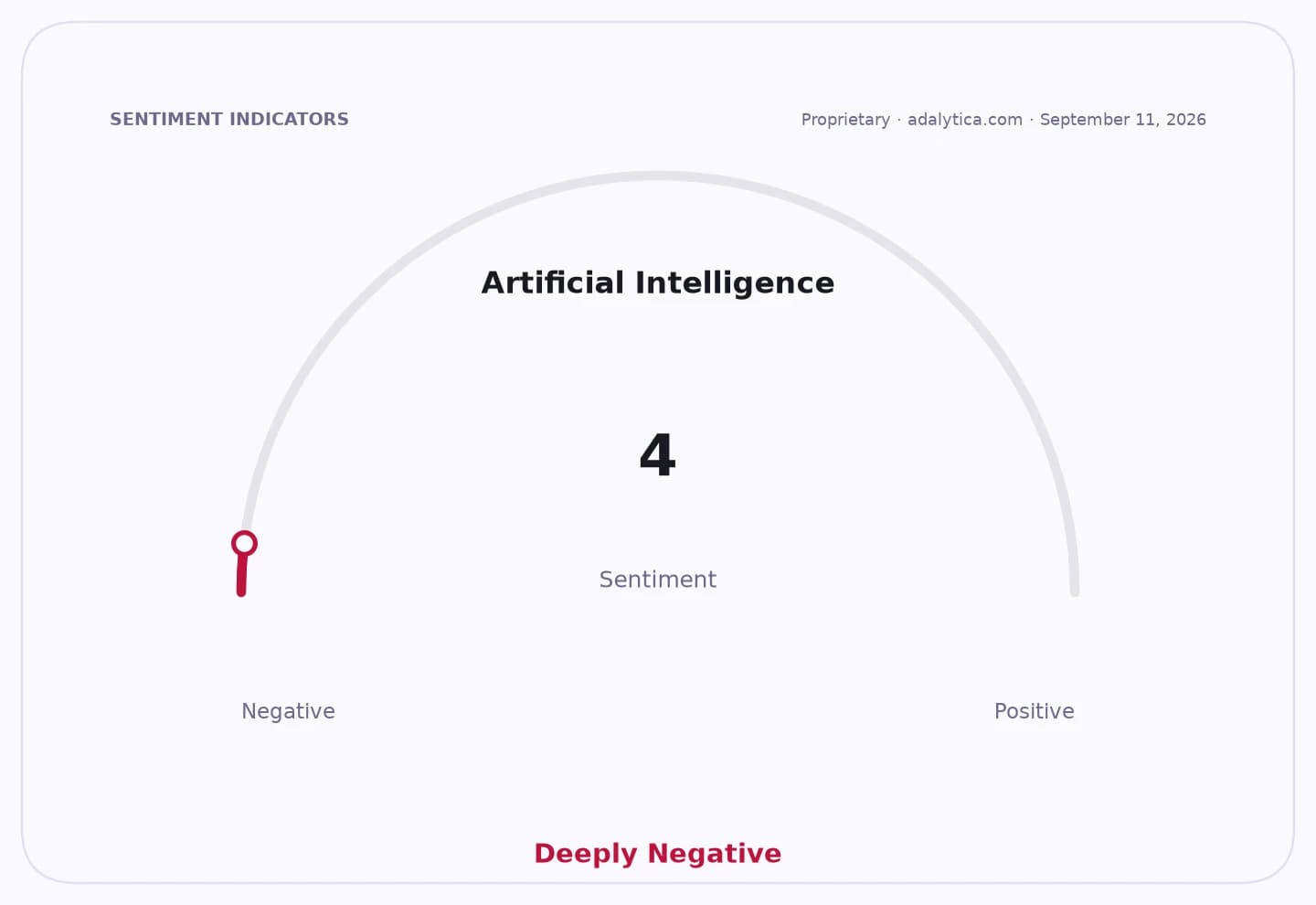
Sentiment IndicatorsⓘProprietary · adalytica.com · September 6, 2026
This is a snapshot — live sentiment, awareness and momentum for 130+ markets update continuously in the dashboard.Open AlphaPulse
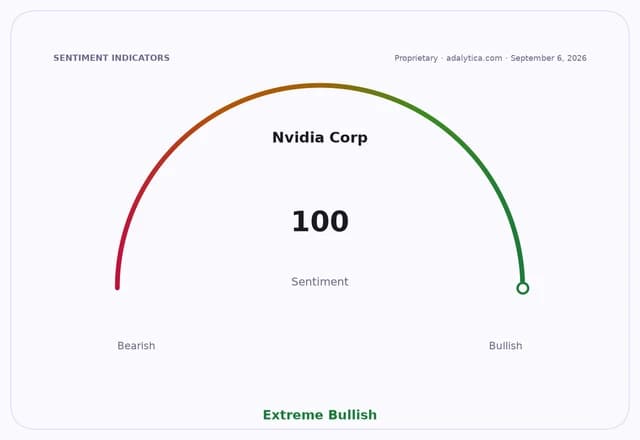
The biggest swing is in compute. The government plans to lift GPU-related investment to 3.85 trillion won from 2.084 trillion won, a scale that officials say better matches the roughly 3.5 trillion won needed to secure about 10,000 of Nvidia’s latest Vera Rubin-class GPUs for frontier development. It also raised data infrastructure spending for frontier AI from 30 billion won to 800 billion won, signaling that Seoul wants to narrow the gap with leading global model labs rather than merely subsidize distributed experimentation.
That is a notable shift for the country’s flagship model program, often described as the “independent foundation model” initiative. The program started by spreading GPU resources across five elite teams, but after evaluation only LG AI Research, SK Telecom and Upstage remain in the final round to determine two winning operators. The new budget gives the government room to concentrate resources more aggressively, which is likely to favor scale players with cloud, telecom and model-training capabilities. The open question is execution: how much compute gets centralized, and whether the state uses the new funding to redesign the contest around frontier performance rather than broad participation.
Security is the second pillar, and increasingly a commercial one. Seoul has now selected Naver Cloud to lead a 33-member consortium building a 700-billion-parameter mixture-of-experts cybersecurity model, with parallel offensive and defensive systems designed to keep pace with AI-enabled attacks. The timing reflects a changing threat model: as autonomous tools become more capable, cyber defense is moving from a cost center to a strategic AI use case. The government has also set aside 500 billion won for the security model’s training base, 55 billion won for an “AI Cyber Shield Dome” project and 70 billion won to help smaller firms respond to AI threats.
For investors, that makes cybersecurity one of the clearest beneficiaries of the national AI push. It also reinforces demand for high-end compute, networking and model-integration services across the domestic ecosystem. If the project works, it could create recurring demand for Korean cloud capacity and security software, while giving local groups a state-backed reference architecture for enterprise defense products.
The third leg is consumer adoption. Under the “Everyone’s AI” program, the government has earmarked 250 billion won, including 170 billion won for GPUs and 100 billion won each for three operating consortiums led by SK Telecom, Kakao and KT. Officials say the compute allocation could support about 10 million users a year. That matters because one of the biggest risks in state-backed AI services is not model quality but operating cost. The funding now gives the program a clearer path to continuity, though the economics still depend on whether usage grows faster than the budget.
The broader narrative is that South Korea is trying to connect the full chain from model to security to service, and doing so with public capital at a moment when AI competition is becoming more compute-intensive and more security-sensitive. Bullish investors will see a national industrial policy that could deepen domestic demand for GPUs, cloud infrastructure, telecom distribution and enterprise AI services. The bear case is that centralized state projects can be slow to execute, and the gap to the leading U.S. frontier labs may widen faster than Korean funding can close it.
What happens next will hinge on whether the government can turn budget size into technical concentration and commercial uptake. If it can, the country’s AI push could become less about catching up symbolically and more about building a durable local market for compute, security and AI services.
| Entity | Gains | Losses |
|---|---|---|
| LG AI Research / SK Telecom / Upstage | ▲Frontier-model funding | ▼Broader competition for slots |
| Naver Cloud consortium | ▲Security-model mandate | ▼Smaller rivals |
| SK Telecom / Kakao / KT | ▲Consumer AI rollout support | ▼Standalone service economics |
| Nvidia / GPU suppliers | ▲Higher Korea demand | ▼Customers facing budget constraints |