South Korea is putting critical minerals at the center of its trade strategy, with President Lee discussing a revision of the country’s long-running free trade deal with Chile to deepen cooperation on copper and lithium.
South Korea, Chile FTA revision targets copper and lithium
That matters because the energy transition runs on those two metals. Copper is the wiring of electrification, while lithium remains essential for batteries. For a manufacturing powerhouse like South Korea, locking in more reliable access to both is not a diplomatic side issue — it is a supply-chain necessity that can shape margins, production planning and the competitiveness of automakers, battery makers and chip fabs for years.
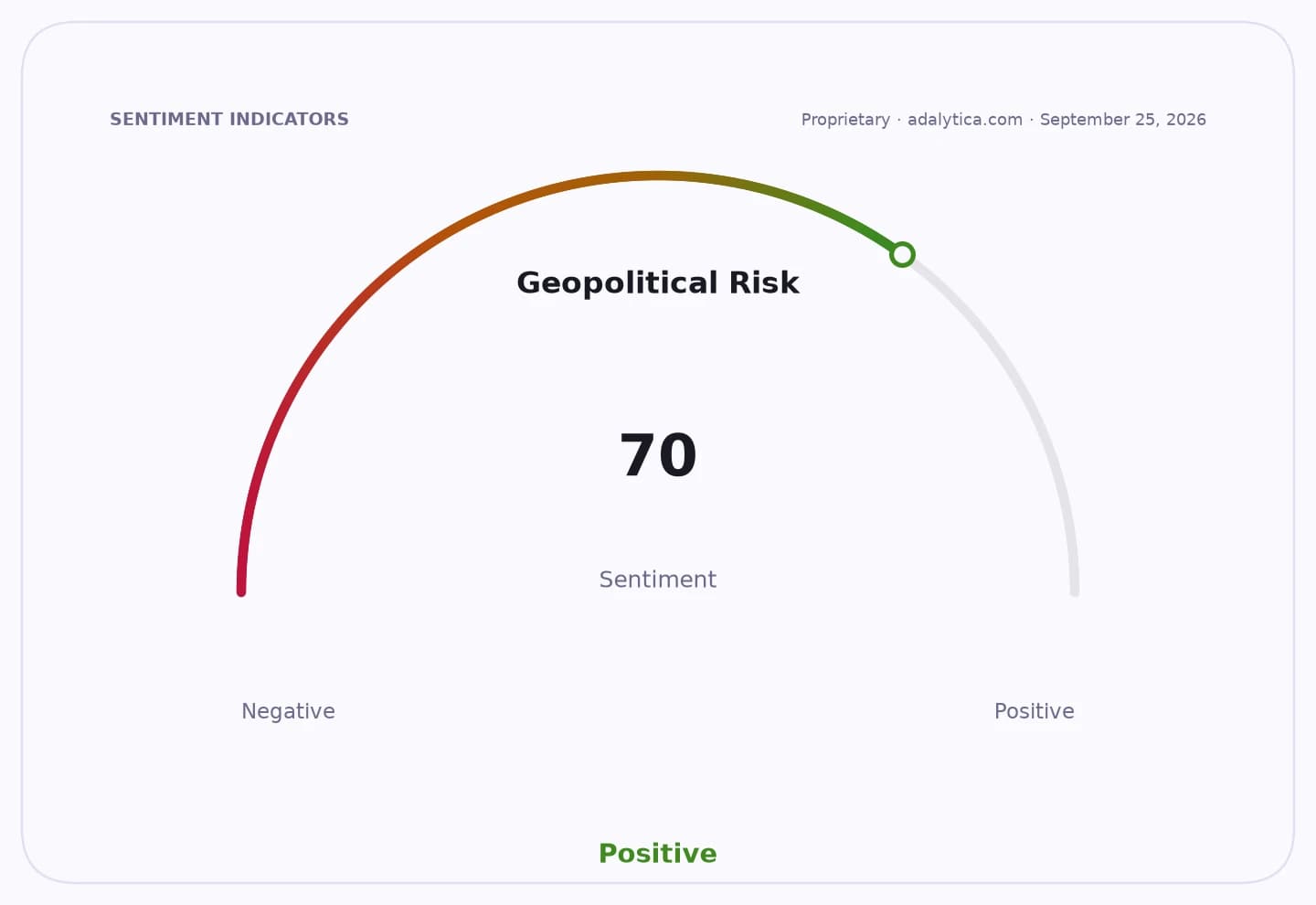
Sentiment IndicatorsⓘProprietary · adalytica.com · July 30, 2026
This is a snapshot — live sentiment, awareness and momentum for 130+ markets update continuously in the dashboard.Open AlphaPulse
Chile is one of the world’s most important suppliers of copper and lithium, so any move to update the so-called No. 1 Korea-Chile FTA has implications far beyond ceremonial trade language. A stronger framework could help Korean buyers secure inputs at a time when resource nationalism, tighter processing controls and geopolitical rivalry are pushing countries to fight harder for upstream minerals. The reference point is clear: nations from Zimbabwe to Chile are increasingly looking to capture more value locally, rather than simply shipping raw material abroad.
For investors, that makes this more than a bilateral policy headline. It is another sign that the global race for battery metals is moving from geology to diplomacy. Companies tied to copper and lithium supply — from miners to processors to refiners — stand to benefit if governments keep prioritizing long-term offtake and investment ties. In contrast, buyers that depend on spot-market exposure face more volatility in costs and availability.
The timing also matters. West Texas Intermediate crude was trading around $88.70 a barrel in the latest forecast, while the 10-year U.S. Treasury yield sat near 4.61%, a reminder that higher financing costs and energy prices can still squeeze industrial supply chains. In that kind of environment, securing raw materials through stable trade channels becomes even more valuable.
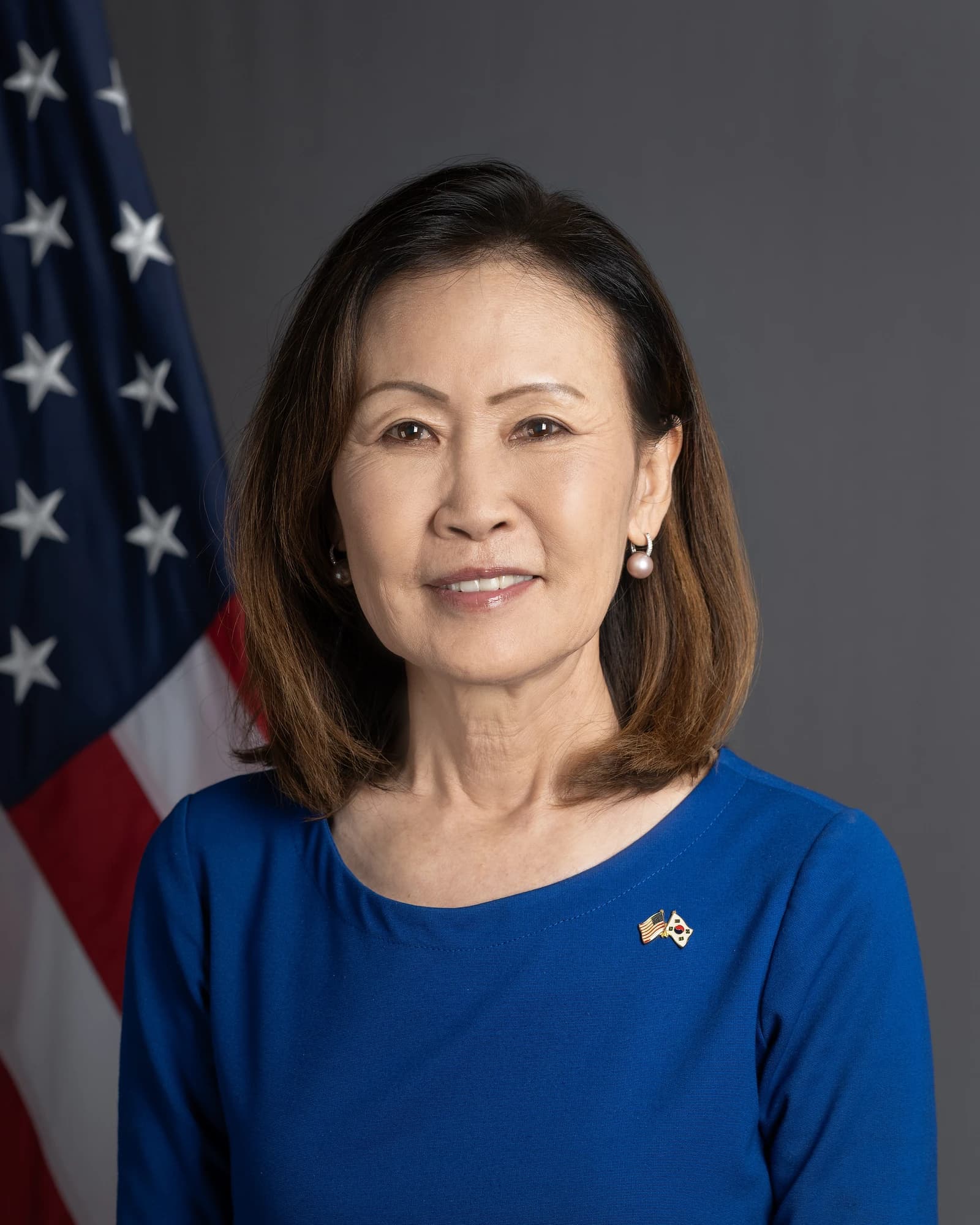
Lee also used the meeting to name Michelle Steel as U.S. ambassador and to call the ROK-U.S. relationship the strongest alliance, underscoring that Seoul is trying to balance resource diplomacy with security ties to Washington. The message is straightforward: South Korea wants dependable alliances, dependable trade and dependable access to the minerals that power the next decade of growth.
For long-term investors, the lesson is to follow the infrastructure behind the energy transition, not just the final products. Copper and lithium remain foundational, and any policy that helps secure supply deserves attention. This is the kind of shift worth watching closely, especially for patient investors with a multiyear horizon.
| Entity | Gains | Losses |
|---|---|---|
| South Korea | ▲More secure mineral supply | ▼Less exposure to supply shocks |
| Chilean miners/exporters | ▲Stronger Korean demand | ▼Pressure for tougher trade terms |
| Copper and lithium producers | ▲Better long-term offtake | ▼Spot buyers facing higher volatility |
| Korean battery and auto makers | ▲Improved input visibility | ▼Higher bargaining pressure if supplies tighten |