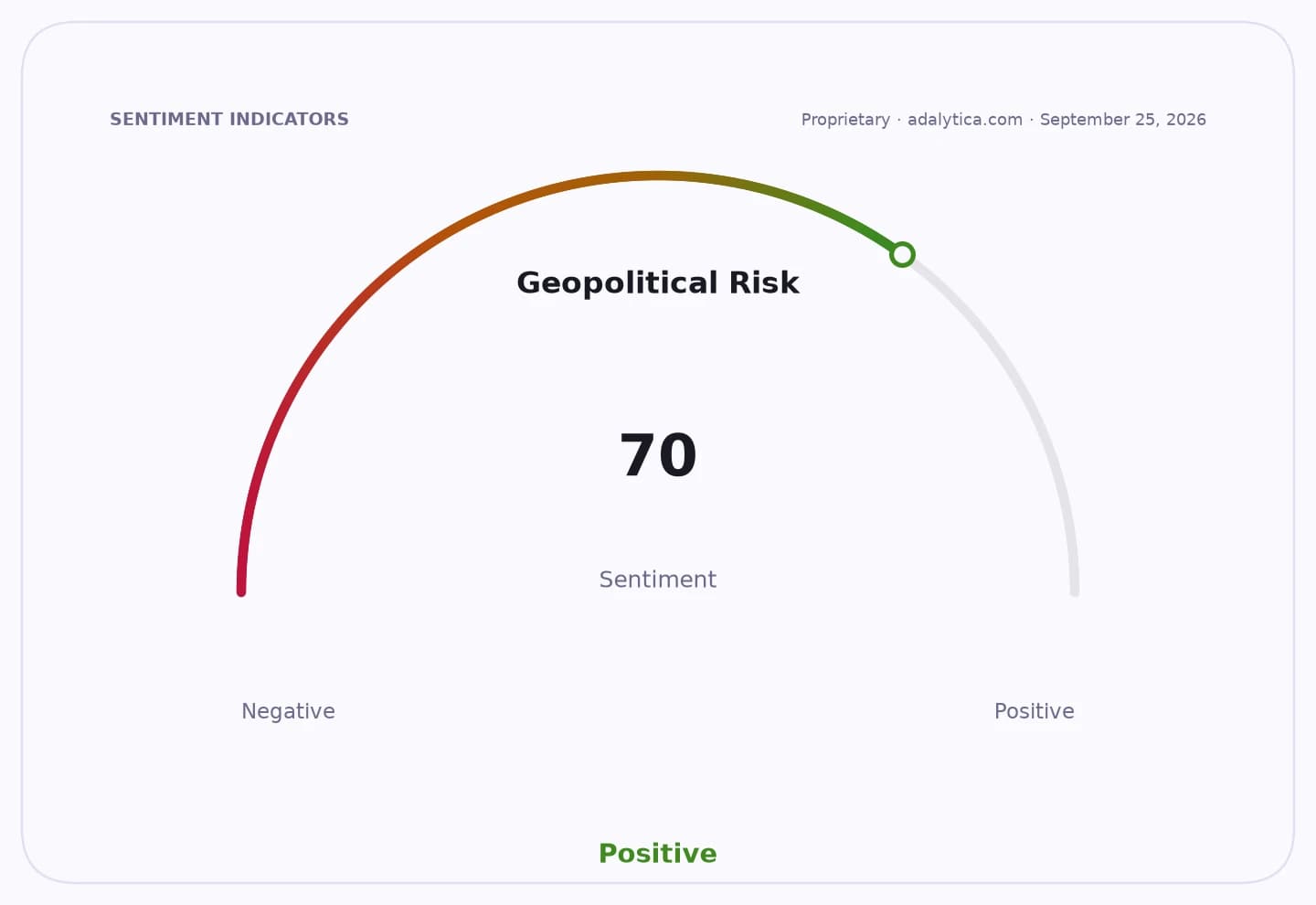
South Korea’s move to broaden loan interest-rate discounts for credit-card users is more than a consumer perk: it signals a policy-backed push to keep household borrowing flowing even as regulators clamp down on riskier credit. That matters because the country’s consumer-finance market is being forced to balance growth, delinquency control and tighter oversight all at once — a setup that can quickly reshape winners in banks, card issuers and nonbank lenders.
South Korea Expands Consumer Credit Relief

The biggest change is that installment payments and check cards will also be brought into the rate-reduction framework, widening the pool of borrowers who can qualify for cheaper credit. In a market where authorities have been trying to rein in household leverage, the expansion suggests regulators are not trying to choke off demand entirely. They are steering it toward more structured, lower-risk products while preserving spending power for households squeezed by high borrowing costs.
That is economically important because consumer credit is one of the fastest channels through which tighter policy hits the real economy. When households can refinance or lower the cost of revolving balances, the near-term effect is to support consumption and reduce pressure on delinquency rates. It also gives lenders a way to retain customers without leaning as heavily on high-margin but more vulnerable credit lines. The trade-off is clear: less explosive credit growth, but potentially better asset quality and more durable loan demand.
The backdrop is a credit market already under stress from regulatory tightening. Recent data showed South Korea’s card loan balances fell 0.8% to 42.9 trillion won in June as authorities tightened household lending rules, even as borrowers shifted toward cash advances and other urgent financing. That kind of substitution is exactly what policymakers want to avoid if it funnels households into less transparent, higher-risk borrowing. By extending interest-rate relief to installment purchases and check cards, the government is effectively trying to redirect demand into channels it can monitor more closely.
For investors, the message is that the sector’s next leg may be less about raw loan growth and more about mix, margin and credit quality. Card issuers and consumer lenders that can use the new framework to stabilize balances and protect repayment behavior should be better positioned than players exposed to unsecured cash lending. The market also appears to be pricing in that shift. Shares of major U.S. card and bank names such as Capital One, American Express and JPMorgan have held up well recently, reflecting confidence that consumer credit can remain resilient even as rates stay elevated, though the real opportunity in this story is in spotting who benefits from a regulated lending upcycle and who gets squeezed by it.
The broader narrative is that household credit is entering a more selective phase, not a simple expansion phase. Governments are increasingly favoring targeted lending programs over broad-based leverage, as seen in the rise of microfinance issuance and state-backed lending schemes in other markets. That’s a sign the credit cycle is changing: not every lender wins, but those tied to essential spending, installment finance and lower-risk payment products can still compound capital efficiently.
If South Korea’s policy shift gains traction, the next catalyst will be whether it slows the migration into emergency borrowing and steadies credit performance across card portfolios. For investors, the takeaway is to favor lenders with pricing power, disciplined underwriting and exposure to installment and payments ecosystems rather than pure revolving-credit exposure.
| Entity | Gains | Losses |
|---|---|---|
| Credit-card issuers | ▲Lower delinquencies | ▼Higher funding pressure |
| Households using installments | ▲Cheaper borrowing | ▼Less easy cash credit |
| Regulated banks/card firms | ▲Better loan mix | ▼Slower headline growth |
| Cash-advance lenders | ▲— | ▼Demand diversion |