German bonds opened slightly weaker as investors weighed the prospect of a record antitrust penalty in South Korea that could reshape pricing and competition in sovereign debt auctions across the region.
South Korea FTC weighs 15 trillion won bond fine
The move in German paper was modest, but it came against a broader backdrop of firmer yields and elevated volatility in global fixed income, where investors are increasingly sensitive to any development that can affect government borrowing costs, dealer behavior and liquidity. When regulators move against alleged coordination in a large treasury market, the issue is not just legal: it goes to the mechanics of how governments place debt, how banks earn underwriting margins and how much room there is for yields to be set by competition rather than a handful of dealers.
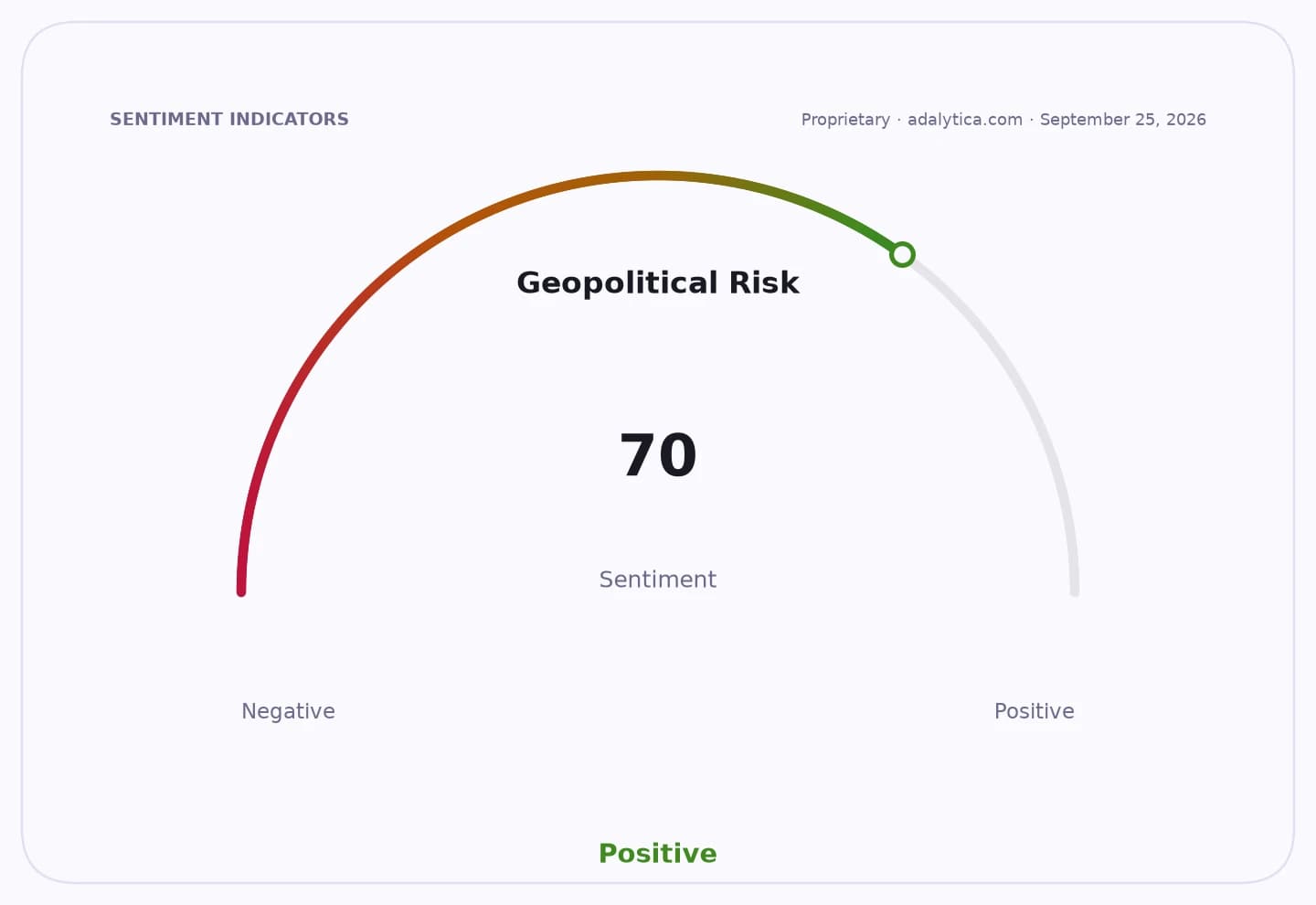
Sentiment IndicatorsⓘProprietary · adalytica.com · August 10, 2026
This is a snapshot — live sentiment, awareness and momentum for 130+ markets update continuously in the dashboard.Open AlphaPulse
South Korea’s Fair Trade Commission is preparing to deliberate on allegations that major securities firms and banks colluded in the bidding process for treasury bonds involving 76 trillion won, or about $56 billion. The watchdog is considering fines that could total as much as 15 trillion won, which would be the largest penalty ever in such a case. That scale matters because it threatens a direct hit to earnings at securities firms and banks, while also raising the risk of tighter supervision over a market critical to public financing.
For investors, the issue cuts across credit, rates and bank valuation. A large sanction would likely be absorbed unevenly, with securities houses and lenders facing the immediate earnings burden, while the government could benefit from a cleaner auction process and potentially lower long-term funding distortions. But if dealers become more cautious in future auctions, liquidity could worsen and bid-ask dynamics could become more volatile, complicating issuance at a time when sovereign borrowers are already managing elevated interest rates and heavy refinancing needs.
The policy angle also matters beyond Korea. Allegations of coordinated bidding in sovereign debt auctions are a reminder that government bond markets rely on trust in a handful of intermediaries. If the FTC follows through with an aggressive penalty, it could encourage similar scrutiny elsewhere and pressure dealers to change behavior in a market where even small shifts in bidding discipline can affect marginal financing costs.
The bear case for the sector is that the investigation expands, fines prove punitive and compliance costs rise just as bond trading remains sensitive to rate volatility. The bull case is that a tougher enforcement regime restores confidence, improves auction fairness and reduces the chance that opaque dealer behavior lifts borrowing costs over time. For now, the main investor takeaway is that the regulatory overhang is no longer peripheral: it has become a direct driver of sovereign debt market structure and financial-sector risk.
| Entity | Gains | Losses |
|---|---|---|
| South Korea FTC | ▲Stronger enforcement credibility | ▼Political pressure if penalty is challenged |
| Government bond buyers | ▲Fairer auction pricing | ▼Less dealer support if bidding tightens |
| Securities firms and banks | ▲— | ▼Fines, compliance costs, earnings hit |
| Sovereign borrowers | ▲Cleaner market access over time | ▼Potentially thinner liquidity in auctions |