South Korea has emerged as an unexpected source of fuel for Russia, with more than 112,000 tons shipped from Ulsan and other ports in August alone, deepening concerns that sanctioned tankers are helping Moscow blunt refinery disruption from Ukraine’s drone campaign.
South Korea Fuel Shipments to Russia Rise in August
The shipments matter because they point to a widening gap between the public posture of governments backing Kyiv and the practical enforcement of sanctions on Russia’s wartime fuel supply chain. Russia imported 368,000 tons of oil products by sea in August, more than seven times July’s level and the highest monthly total since its full-scale invasion of Ukraine, according to the report cited by The Guardian. South Korean-origin fuel accounted for about 31% of that total, second only to India, highlighting how even countries aligned with Ukraine can become indirect suppliers when shipping routes, documentation and transshipment are used to obscure cargo origins.
Sentiment IndicatorsⓘProprietary · adalytica.com · October 6, 2026
This is a snapshot — live sentiment, awareness and momentum for 130+ markets update continuously in the dashboard.Open AlphaPulse
The Guardian, citing port records and vessel-tracking data, identified seven tankers making 14 voyages to Russia’s Far East over two months. Three of the vessels were already under UK and EU sanctions. One tanker transferred fuel from another ship near South Korea’s coast, a technique that makes it harder to establish origin and allows vessels to avoid terminal calls that would otherwise leave a paper trail. CREA analyst Isaac Levi said it was “shocking” that sanctioned tankers loaded fuel at South Korean ports and delivered it to Russia, arguing the flows undermine both the sanctions regime and Seoul’s stated support for Ukraine.
The largest supplier in the data set was the sanctioned tanker Layla, which sailed twice from Ulsan to Vladivostok on July 19 and Aug. 10, delivering 57,000 tons of diesel. Another vessel, Astoria, which is sanctioned by the UK, EU and Australia and sails under the Russian flag, loaded almost 11,000 tons at Ulsan on Aug. 1 after declaring a voyage to Japan, then headed to Vladivostok. A third ship, Chongchon, took on about 26,000 tons from Celeste I near the southern port of Yeosu before proceeding to Vladivostok, despite initially listing Singapore as its destination.
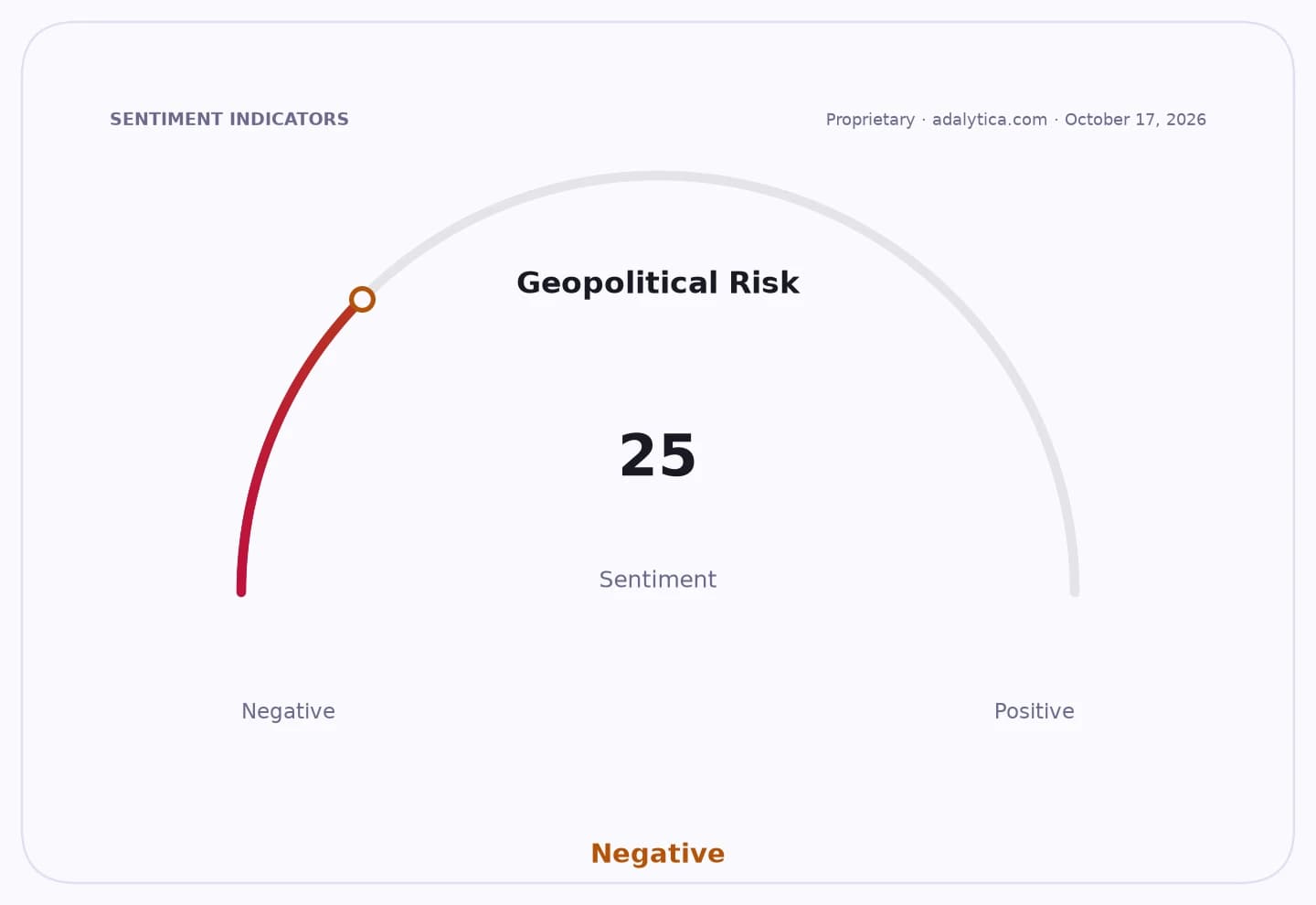
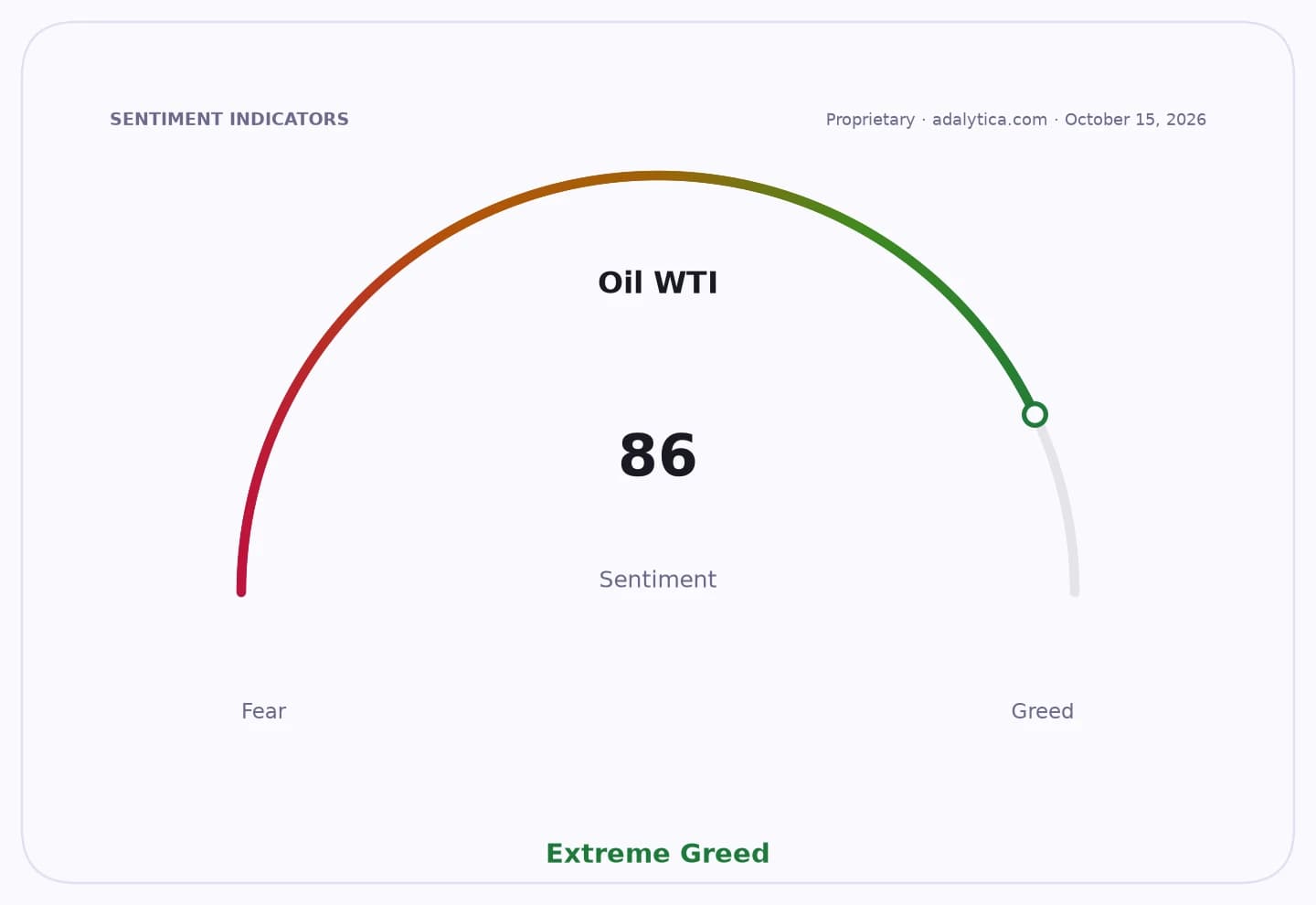
For investors, the immediate market impact is less about direct company earnings than about the risk that sanctions leakage keeps Russian fuel exports and maritime trade flows more resilient than headline restrictions suggest. That can soften supply shocks in the region, influence diesel and crude product balances, and complicate the pricing of geopolitical risk in energy markets. Adalytica’s Global Stability Sentiment gauge shows elevated risk appetite alongside very low awareness, a combination that often leaves markets vulnerable to abrupt repricing when enforcement lapses or shipping violations come under scrutiny.
The story also reverberates through the energy majors and tanker market. Higher Russian product imports and rerouted flows can support freight demand for compliant and noncompliant shipping alike, but they also raise the chance of tighter enforcement, more vessel blacklisting and more compliance risk for charterers, traders and insurers. Exxon Mobil, Chevron and Oil States International were not named in the shipment data, but all operate in a sector where sanctions, shipping constraints and geopolitical disruption remain material inputs to margins, logistics and risk management.
Ukraine’s allies are likely to face sharper questions over enforcement rather than rhetoric. If South Korea is allowing sanctioned or sanction-adjacent tonnage to load fuel at its ports, the issue will extend beyond diplomacy to the credibility of the broader Western pressure campaign on Moscow. For investors, the key watchpoint is whether regulators respond with more aggressive vessel designation, port scrutiny and secondary sanctions, which could tighten seaborne product trade and add another layer of volatility to oil-linked assets.
| Entity | Gains | Losses |
|---|---|---|
| Russia / Rosneft | ▲steadier fuel supply | ▼sanctions pressure eases less than hoped |
| South Korean fuel exporters | ▲sales to Russia | ▼reputational and regulatory scrutiny |
| Sanctioned tanker operators | ▲freight activity | ▼blacklisting risk intensifies |
| Ukraine and allies | ▲none | ▼sanctions credibility weakens |