A commercial container ship has sunk in the Strait of Hormuz after hitting a mine, and Iran’s own forces have now confirmed the cause, escalating a critical shipping risk in one of the world’s most important energy corridors.
Strait of Hormuz Ship Sinks After Mine Blast
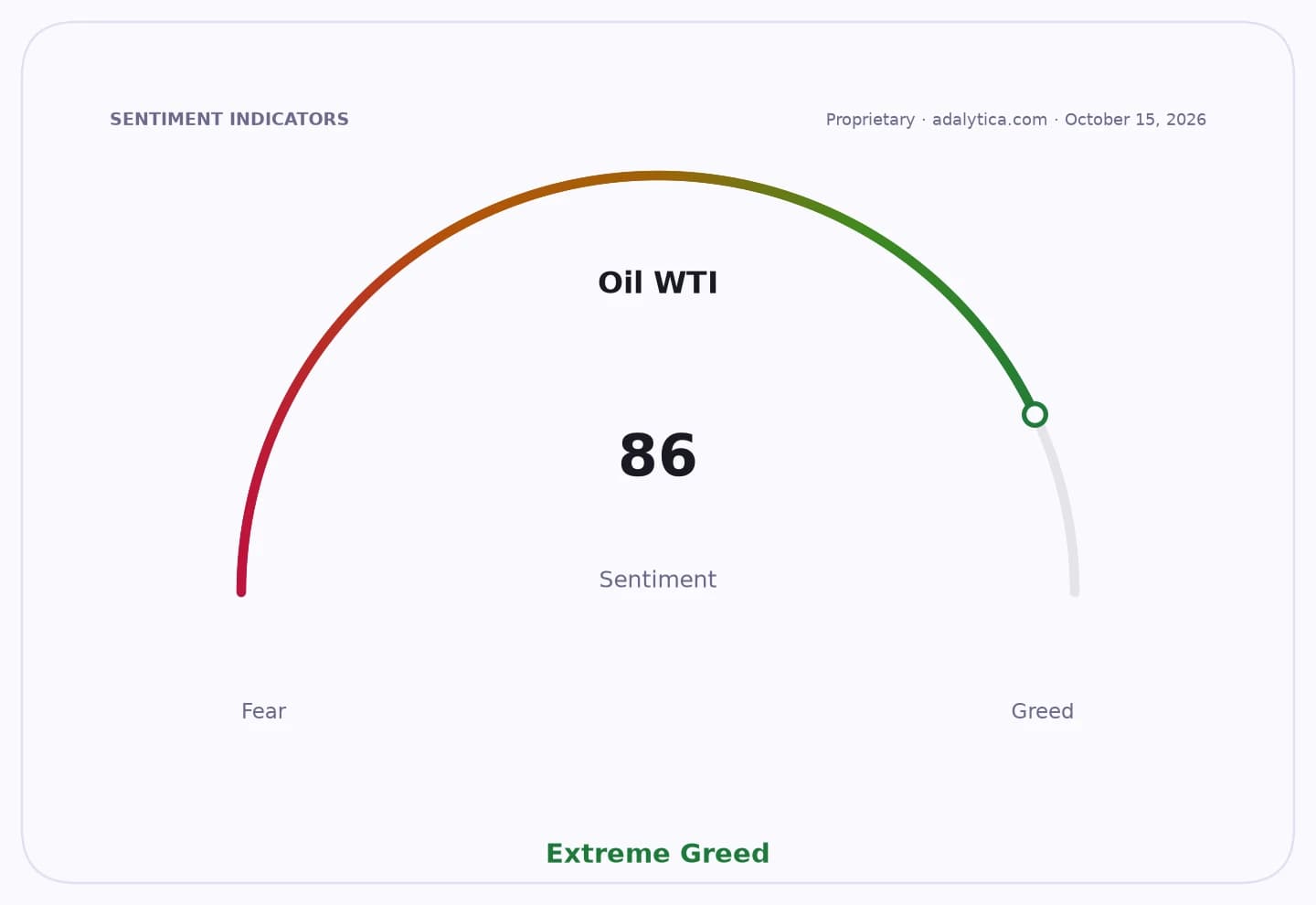
That matters because the Strait of Hormuz is not just another maritime route — it is a chokepoint for oil, gas and container traffic that the market prices only fully when a crisis is already underway. A confirmed mine strike raises the odds of follow-on attacks, tighter naval escorts and higher insurance costs, all of which can ripple through crude, tanker rates and global supply chains.
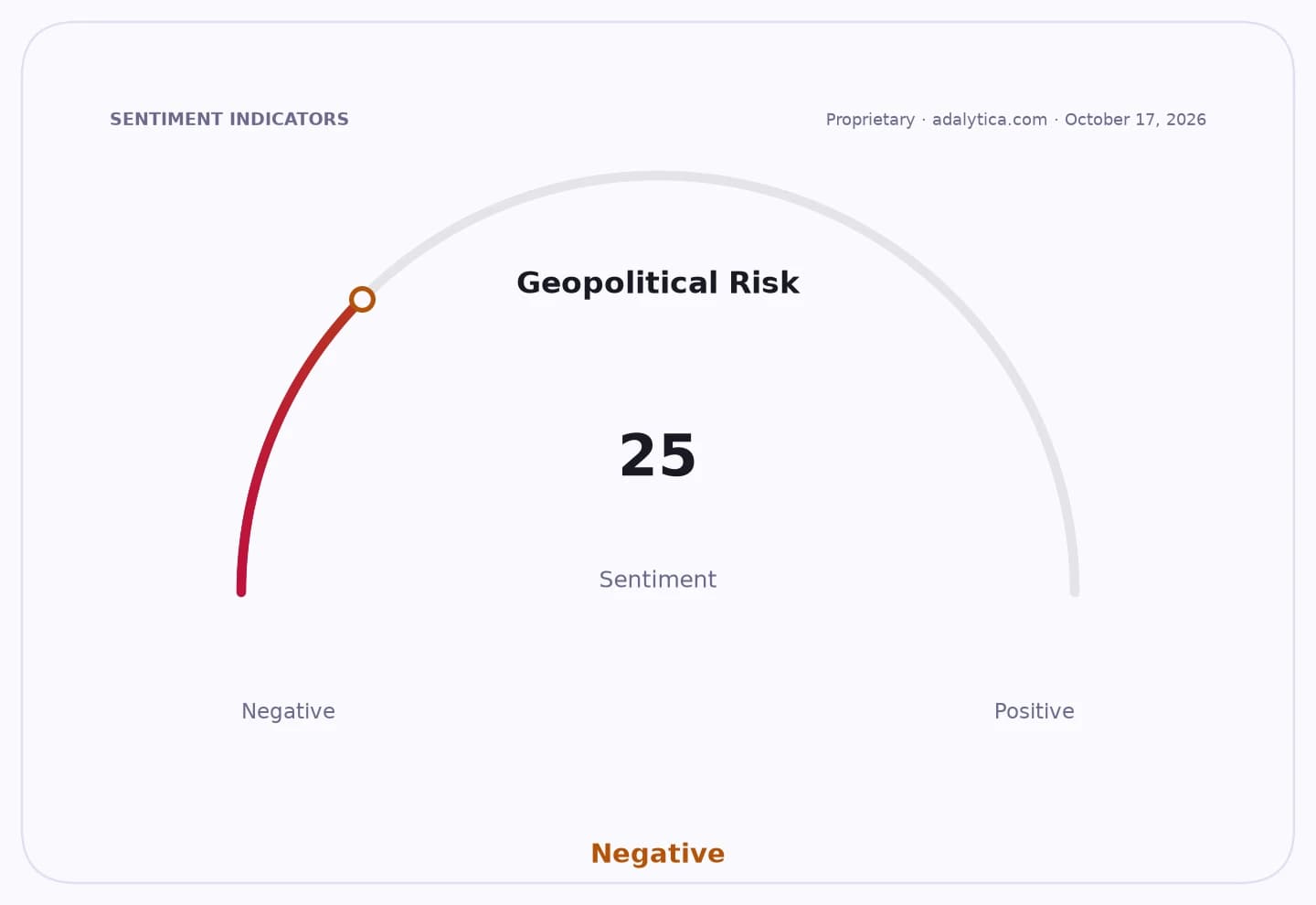
Sentiment IndicatorsⓘProprietary · adalytica.com · October 15, 2026
This is a snapshot — live sentiment, awareness and momentum for 130+ markets update continuously in the dashboard.Open AlphaPulse
Iran’s Islamic Revolutionary Guard Corps said the vessel, carrying more than 2,500 containers, caught fire after the blast and sank the following morning in southern waters of the strait. Tehran also warned ships and fishermen to stay alert because debris and floating containers remain in the area. The episode comes as the United States is already helping commercial vessels transit the corridor closer to Oman’s coast, underscoring how fragile the security environment has become.
For investors, the immediate read-through is not limited to oil. Any escalation in Hormuz tends to lift the entire marine-risk complex: crude-linked equities, tanker names, marine insurers and defense contractors can all move before physical supply is actually disrupted. The bigger second-order effect is on shipping schedules and freight pricing, especially for Asia-bound cargoes that depend on uninterrupted Gulf access.
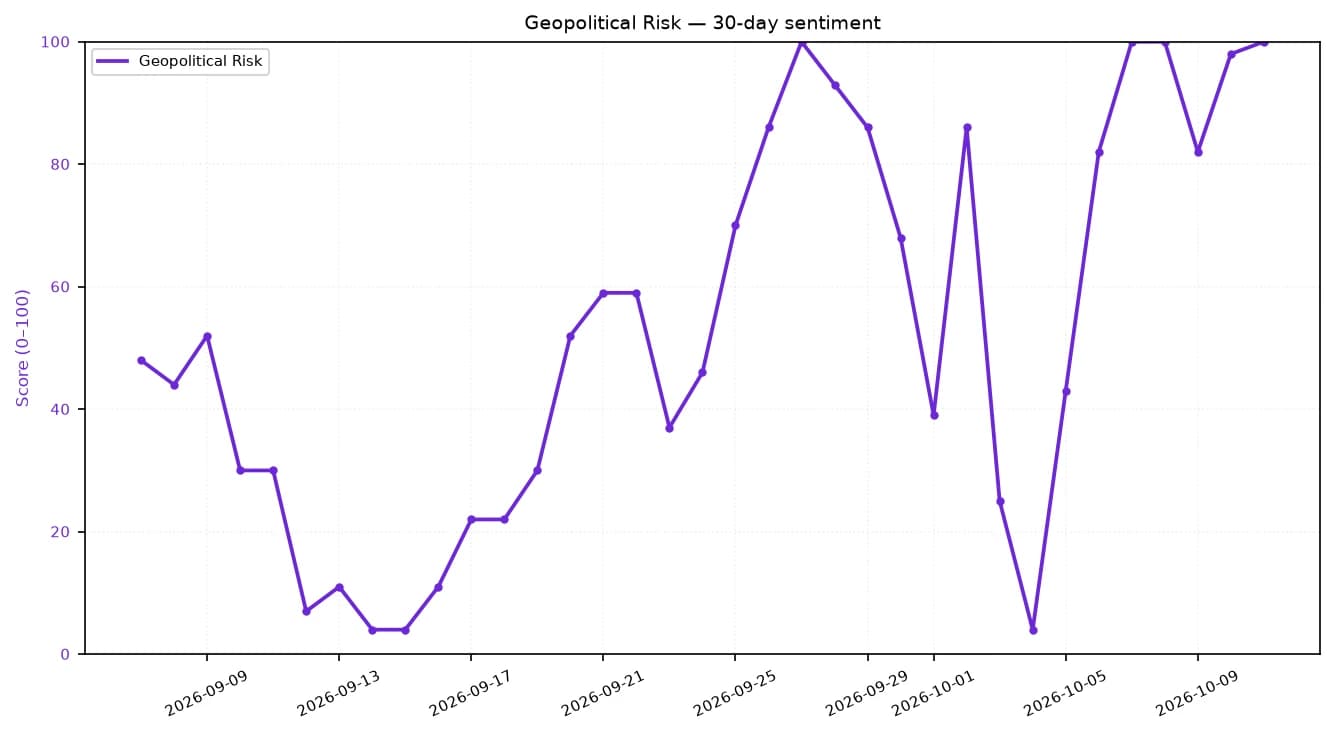
Geopolitical Risk — 30-day sentimentadalytica.com
Explore this data interactively — full history, time series and cross-market comparisons.Open AlphaPulse
The market is also being forced to reassess the probability that this remains an isolated attack. Multiple vessels were damaged in the same episode, and the first Iranian confirmation that a ship sank from a mine during the conflict raises the geopolitical temperature. Even without a full closure of the strait, the mere threat of one can extract an economic toll through rerouted traffic, slower turnarounds and higher operating costs.
That is why this is more than another headline from the Gulf. It is a reminder that the cheapest path for global trade can become the most expensive in a matter of hours, and that energy markets still trade on security as much as on supply and demand. I believe investors should keep exposure to oil-linked assets, tanker operators and defense beneficiaries on a watch list now, before the risk premium broadens further.
| Entity | Gains | Losses |
|---|---|---|
| Oil producers | ▲Higher risk premium | ▼ |
| Tanker operators | ▲Tighter freight rates | ▼Disrupted routing |
| Marine insurers | ▲Higher premiums | ▼Larger claims exposure |
| Importers and shippers | ▲ | ▼Higher transport costs |