Policy finance should be concentrated in AI infrastructure and the industries that make it work, because that is where South Korea can still build durable growth in a slow-growing economy.
South Korea Policy Finance Shifts to AI Infrastructure

A senior researcher at the Korea Institute of Finance argued that the country needs to move away from broad, across-the-board support and toward selective, strategic funding that backs industries with real growth potential, job creation and competitiveness. That shift matters because in a prolonged low-growth environment, scattered policy lending can waste capital just when governments need it to reorganize the industrial base around higher-value sectors.
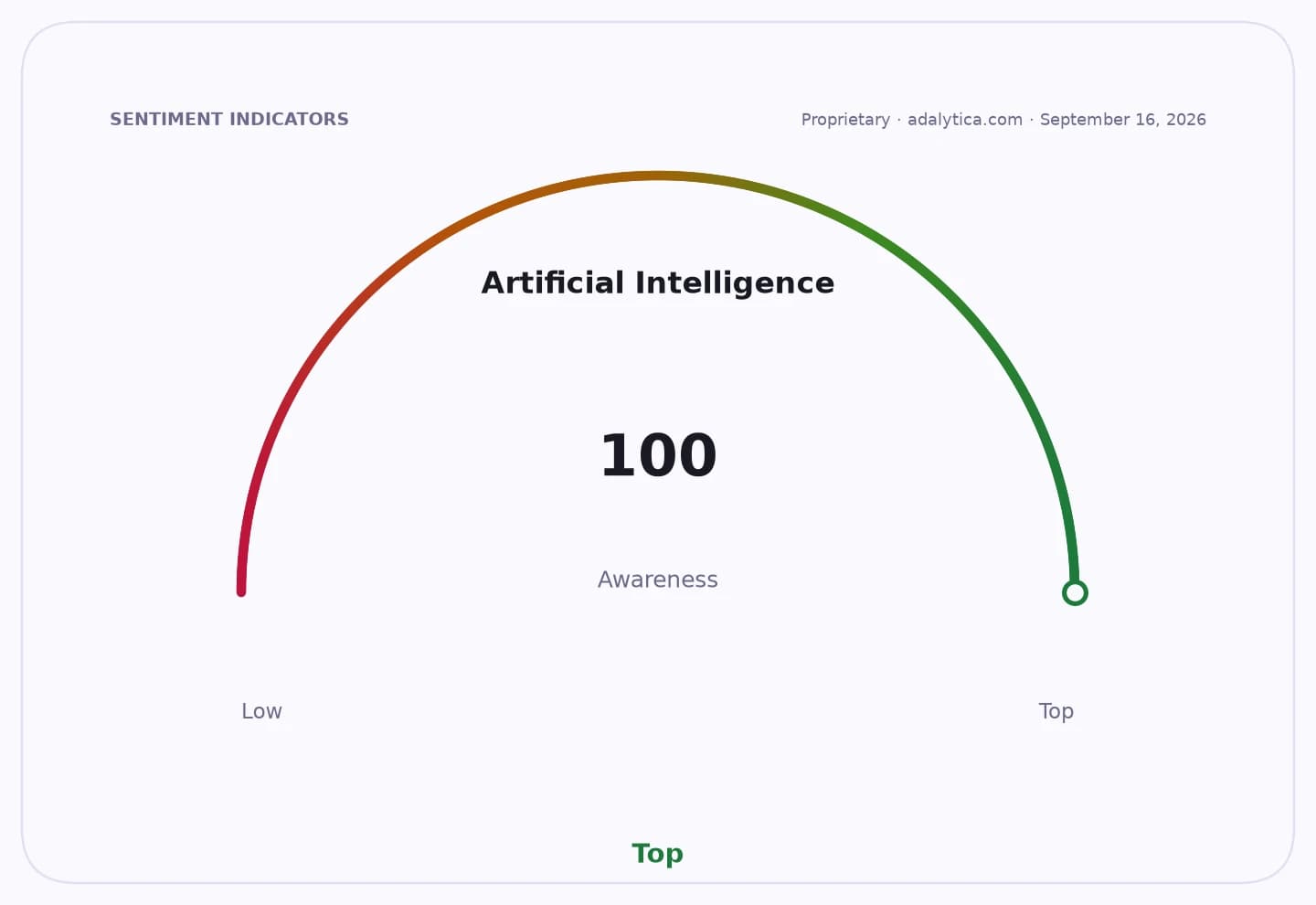
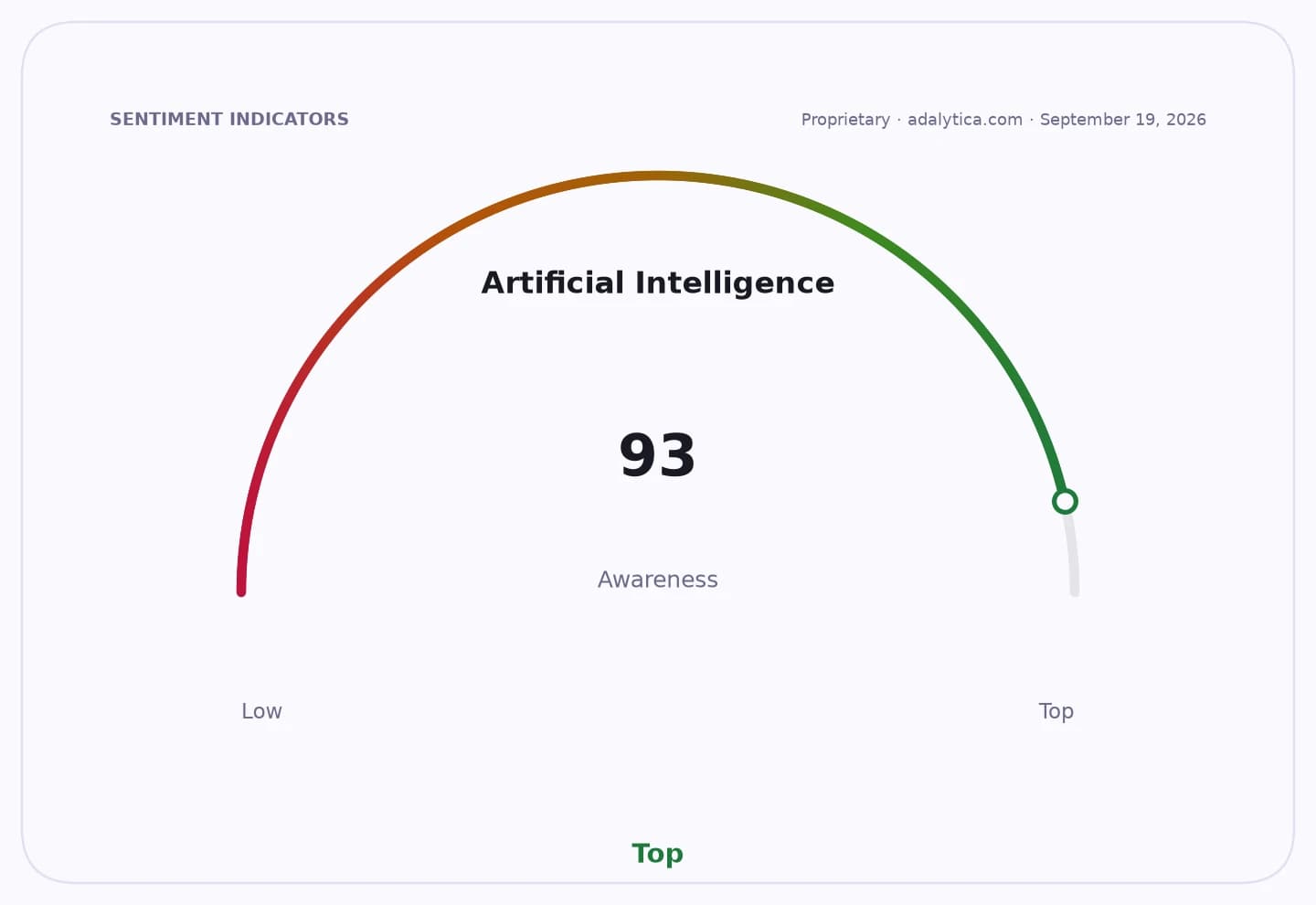
Sentiment IndicatorsⓘProprietary · adalytica.com · September 5, 2026
This is a snapshot — live sentiment, awareness and momentum for 130+ markets update continuously in the dashboard.Open AlphaPulse
The clearest example is artificial intelligence. The argument is not that policy finance should chase AI model developers, but that it should support the physical and industrial backbone of AI: data centers, AI chips, networks, cooling systems and power stabilization. In other words, the winners are less likely to be the most visible software names and more likely to be the suppliers that build the infrastructure layer beneath them. For investors, that is an important reminder that every AI boom has a pick-and-shovel phase.
That logic also extends to South Korea’s existing strengths. The country is benefiting from rising memory-chip demand, but the researcher said policy finance should help broaden that advantage into AI semiconductors, materials, parts, equipment, advanced packaging and optical networking. For a market like Nvidia, which has become the symbol of the AI buildout, the message is that demand is still enormous, but the ecosystem is widening. Nvidia shares recently traded around $230, while Microsoft was near $500 and AMD around $478, underscoring how much capital is still chasing the AI supply chain.
The other side of the story is restructuring. Petrochemicals and steel, long pillars of Korea’s industrial model, need to move toward higher-value products because commoditized output is losing global competitiveness. That means losses will not be evenly shared: large companies, suppliers and creditors may have to absorb the pain if these industries are to be reorganized rather than endlessly supported. That can be uncomfortable in the short run, but it is often how an economy clears room for better uses of capital.
For investors, the takeaway is straightforward. Policy support is becoming more selective, not more generous, and that should favor companies and sectors tied to AI infrastructure, advanced manufacturing and industrial upgrading. It also raises the bar for legacy industries that rely on public support without a credible transformation plan. In a world where capital is scarce and growth is harder to find, concentrated policy finance could become a real catalyst — but only for the businesses positioned to compound over years, not quarters.
| Entity | Gains | Losses |
|---|---|---|
| AI infrastructure builders | ▲More policy finance | ▼Broad subsidy recipients |
| AI chip and network suppliers | ▲Targeted support | ▼Commodity suppliers |
| Petrochemicals and steel reformers | ▲Restructuring capital | ▼Status quo operators |
| Governments and investors | ▲Better capital allocation | ▼Inefficient capital spreading |