South Korea’s president called on Washington and Pyongyang to resume stalled talks, putting diplomacy back at the center of peninsula security as investors assess whether a renewed thaw could ease military risk in Northeast Asia and support Korean assets.
South Korea Urges U.S.-North Korea Talks at UN
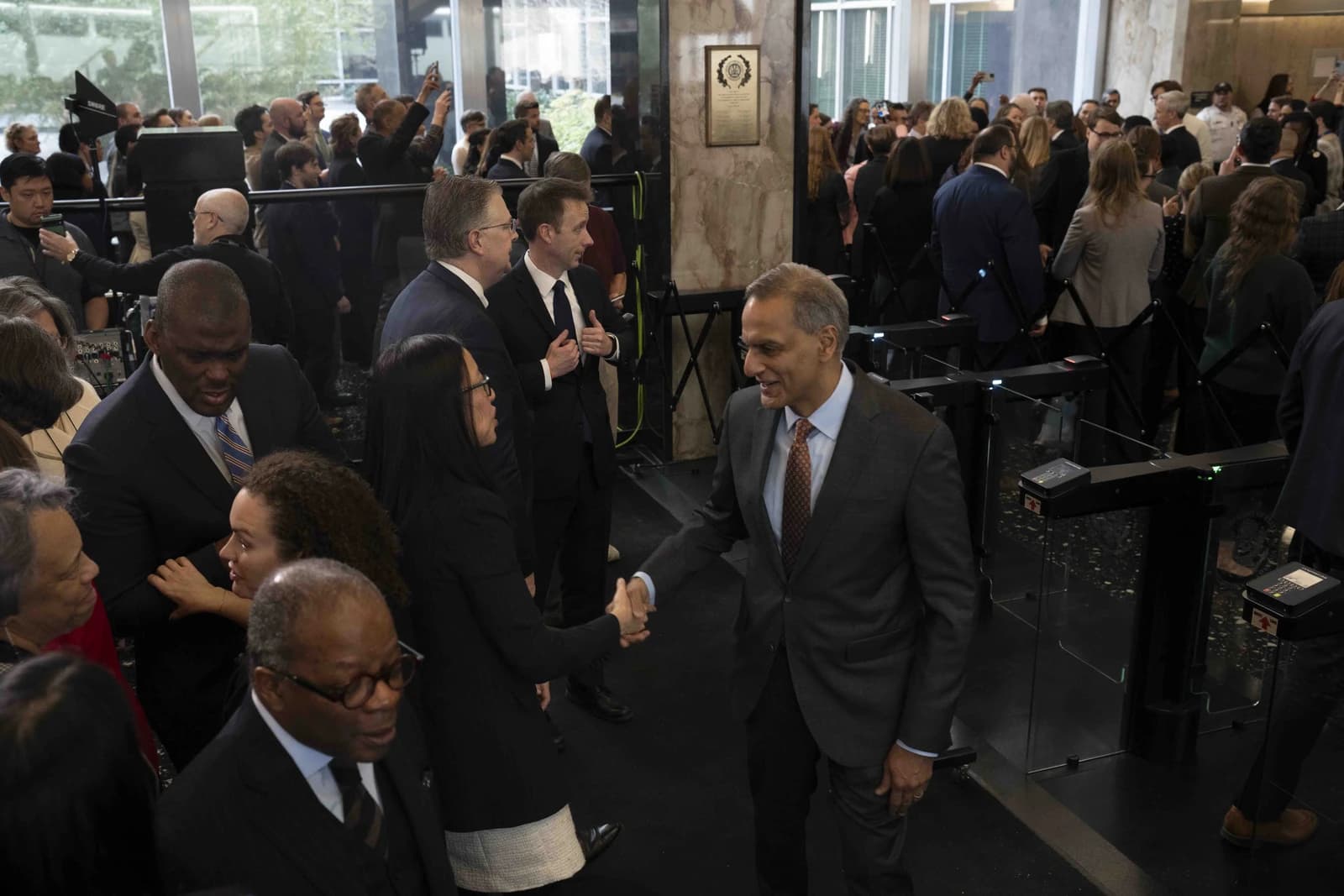
Lee Jae Myung used his address to the U.N. General Assembly in New York to urge an immediate restart of U.S.-North Korea dialogue, while saying Seoul would play an active role in turning the 1953 armistice into a permanent peace accord. The message matters economically because the Korean peninsula remains one of Asia’s most persistent geopolitical flashpoints, and any reduction in confrontation would lower the risk premium attached to South Korean equities, the won and regional supply chains.
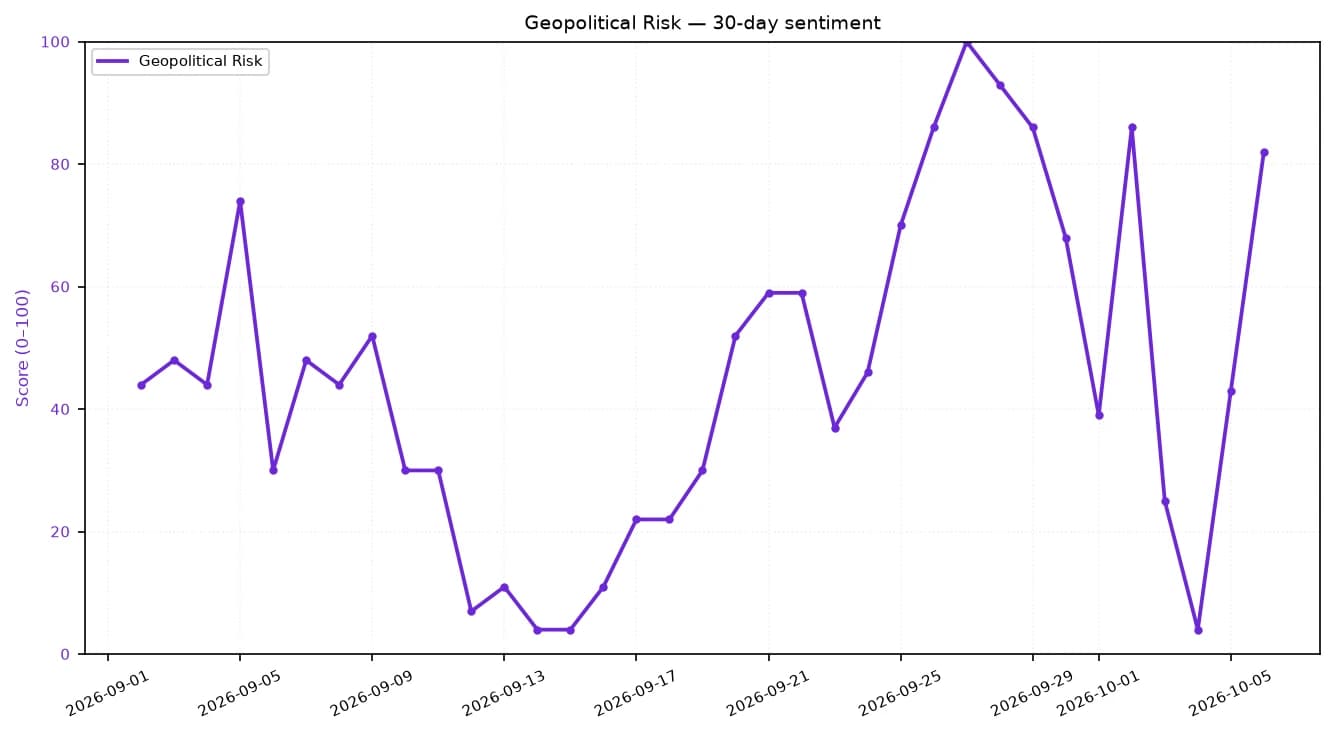
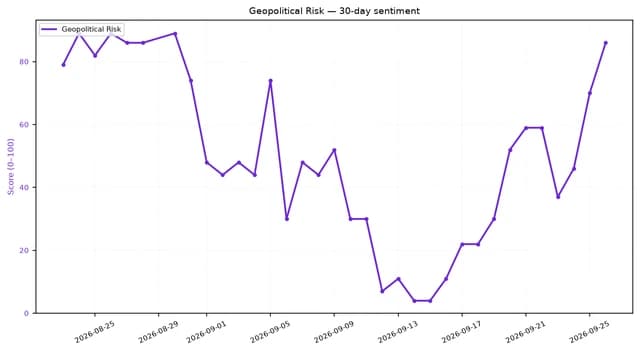
Sentiment IndicatorsⓘProprietary · adalytica.com · September 27, 2026
This is a snapshot — live sentiment, awareness and momentum for 130+ markets update continuously in the dashboard.Open AlphaPulse
Lee framed denuclearization as a staged process rather than an all-or-nothing bargain, starting with a halt to North Korea’s nuclear and missile development and moving toward incremental reductions. That approach reflects the reality that six-party-style grand bargains have repeatedly failed, including during Donald Trump’s three meetings with Kim Jong Un in 2018 and 2019. For investors, the significance is less about an immediate deal than about whether a channel of communication can reduce the odds of sudden escalation, sanctions shocks or military incidents that can jolt Korean markets.
The timing is notable because Lee pointed to Trump’s openness to renewed talks as a rare opening. That leaves Seoul trying to position itself as a broker at a moment when Pyongyang has shown little willingness to soften its deterrence posture and has continued to frame U.S.-led military activity in the region as hostile. A durable diplomatic track would also have implications for defense spending, cross-border risk and the broader security architecture that underpins trade and capital flows in Northeast Asia.
Market reaction is likely to remain cautious unless the rhetoric is followed by concrete steps from Washington and Pyongyang. South Korean assets have historically responded most strongly when diplomacy moves from symbolism to verifiable commitments, especially around testing moratoriums, sanctions relief or family reunions that can signal a real de-escalation. Without that, the region’s risk backdrop remains defined more by mutual deterrence than by peace process momentum.
For now, Lee is betting that coexistence, engagement in global forums and selective cooperation on health, disaster relief and climate can rebuild enough trust to reopen a political track that has been frozen for years. The economic payoff would be lower volatility across Korean assets and a modestly improved outlook for regional risk appetite; the bear case is that the initiative becomes another diplomatic gesture that Pyongyang uses to buy time while expanding its arsenal.
| Entity | Gains | Losses |
|---|---|---|
| South Korea | ▲Lower security risk | ▼Elevated defense burden |
| U.S. negotiators | ▲Diplomatic leverage | ▼Stalemate pressure |
| North Korea | ▲Sanctions-relief opening | ▼Isolation if talks fail |
| Korean equities and won | ▲Lower risk premium | ▼Escalation-driven volatility |