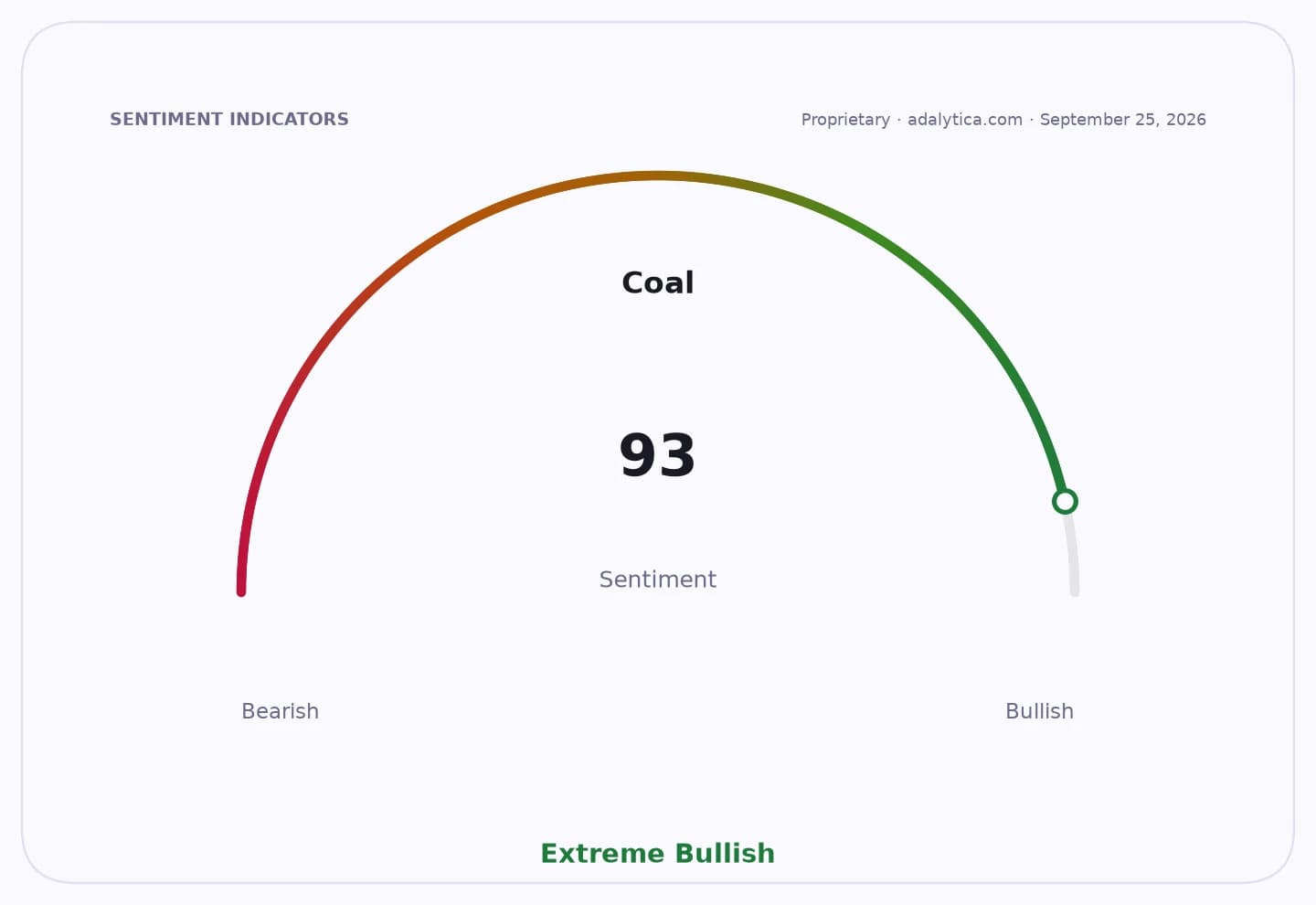
Soybean and mustard prices firmed in Kota’s mandi trade while moong slipped, a split that points to stronger appetite for oilseeds even as pulse buying remains uneven. The move matters because local mandi rates are a near-term gauge of farmgate cash flow, trader procurement and the bargaining power of growers heading into the next round of arrivals.
Soybean, Mustard Firm as Moong Slips in Kota
Higher soybean and mustard bids typically reflect tighter nearby supplies, stronger crusher demand or expectations that replacement costs will stay elevated. That is economically significant in a market where oilseed prices feed directly into edible oil processing margins, rural incomes and, eventually, consumer inflation. When oilseeds strengthen while a pulse like moong softens, it usually signals that buyers are prioritising feedstock for oil extraction and meal demand over pulse stockpiling.
For farmers, the divergence is important. Soybean and mustard growers benefit from firmer spot realizations, which can improve cash returns and support sowing decisions if the price trend persists. Moong growers, by contrast, face weaker negotiating power if arrivals are adequate or if stockists are reluctant to chase prices higher. The split also highlights how quickly mandi sentiment can rotate between crops depending on harvest timing, warehouse availability and demand from local traders and processors.
The broader backdrop is a commodities market still sensitive to global risk. International oil prices have pushed higher on geopolitical tensions, keeping edible oil and related agri-commodity sentiment supported across India. That can spill over into domestic oilseed pricing, particularly when traders look ahead to import parity and processing economics. The result is a market that is constructive for oilseeds but less supportive for pulses, at least for now.
For investors and agribusiness players, the key question is whether the rise in soybean and mustard is the start of a wider uptrend or just a short-lived response to nearby supply conditions. If firmness holds, it could aid crushers, solvent-extraction units and farm-input companies tied to oilseed acreage. If it fades, the move may amount to little more than seasonal volatility. Moong’s decline suggests not all staples are moving together, underscoring the need to watch crop-specific supply, arrival data and policy signals rather than treating mandi prices as a single broad-based inflation story.
| Entity | Gains | Losses |
|---|---|---|
| Soybean growers | ▲Better spot realizations | ▼Higher volatility risk |
| Mustard growers | ▲Firmer mandi prices | ▼Limited upside if arrivals rise |
| Crushers/processors | ▲Improved raw material access if supplies hold | ▼Squeezed margins if seed costs climb |
| Moong growers | ▲— | ▼Weaker bargaining power |