US stocks are entering a familiar and potentially volatile phase now that the Federal Reserve has restarted its hiking cycle, with history showing the S&P 500 often weakens in the months after the first increase even when the eventual drawdown proves temporary.
S&P 500 Pullback Risk After Fed Rate Hike
The immediate economic question is not whether higher rates matter — they do by lifting borrowing costs and tightening financial conditions — but how far the Fed goes before policy begins to bite into growth and corporate earnings. That distinction is now central for investors after the central bank last week raised rates for the first time since 2023 and signaled at least one more increase by year-end, with markets also pricing additional tightening in 2027.
Sentiment Indicators

The backdrop helps explain why the market reaction may be more about valuation discipline than outright panic. The S&P 500 has risen more than 12% this year and has been trading near record highs, supported by strong profits even as oil prices, Treasury yields and geopolitical risks have climbed. But rates are still rising into an already elevated market, and that combination has often preceded a pullback.
LPL Financial found the S&P 500 has fallen a median 2.6% three months after the first hike in a cycle, based on six tightening episodes since the Fed began announcing policy decisions in 1994. RBC Capital Markets said the index has typically suffered a “meaningful drawdown” soon after liftoff, with declines from peak to trough ranging from 8% to 14% in five of the cycles it reviewed. That does not imply a crash is imminent, but it does suggest the market is vulnerable to a garden-variety 5% to 10% decline if growth or earnings expectations start to slip.
DGS10 vs FEDFUNDS — macro contextadalytica.com
Explore this data interactively — full history, time series and cross-market comparisons.
The 2022 tightening cycle remains the cautionary comparison because it eventually ended in a bear market, with the S&P 500 dropping 25% from its peak. But strategists say that episode was unusual: the Fed hiked by 525 basis points across that cycle, and recession fears were already building. By contrast, current futures pricing points to a much shallower path, with the policy rate expected to peak around 4.8% and total hikes amounting to a little over 100 basis points, according to LSEG data.
That difference matters for investors because equity markets usually can absorb modest tightening if earnings hold up and the labor market remains resilient. Mona Mahajan at Edward Jones described the current path as a “mid-cycle adjustment” rather than the kind of aggressive squeeze that typically triggers a broad reset in valuations. History also argues against assuming first hikes always lead to prolonged damage: LPL said the S&P 500 has been positive a year after the first hike in every cycle except 2022-2023, with a median gain of 6.8%.
Still, the risk/reward has shifted. Jeff Schulze at Franklin Templeton noted stocks were little changed in the three months before the latest hike, weaker than the average pre-hike advance historically, which could reduce the need for a sharp re-rating. But UBS’s David Lefkowitz said the key variable is whether tighter policy changes expectations for economic growth or corporate profit growth. That makes incoming data on manufacturing activity, especially the ISM new orders component, more important than the rate move itself.
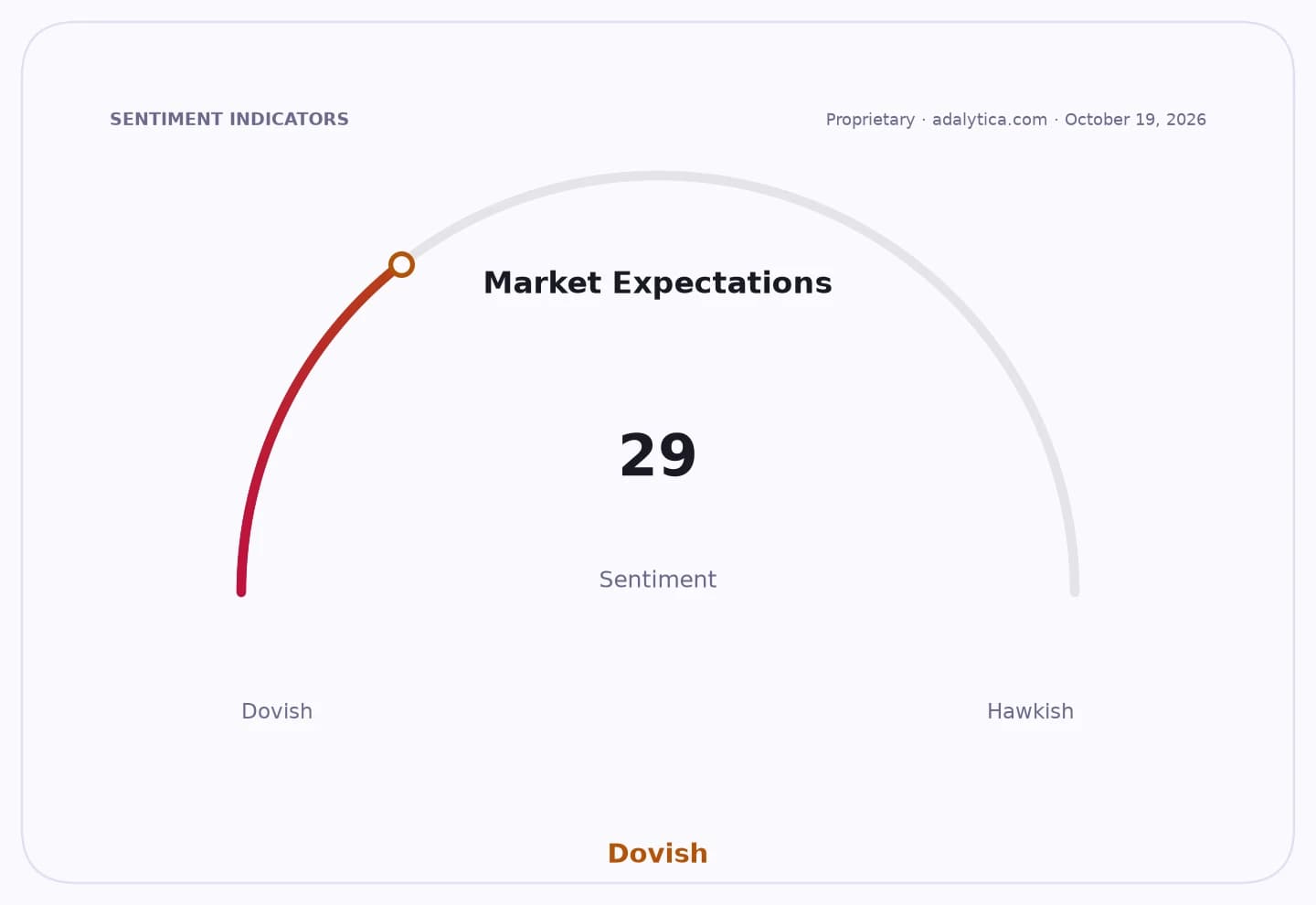
The market’s latest signals reflect that tension. Adalytica’s S&P 500 trade signals show fear readings, while its Fed forward guidance gauge points to extreme fear, underscoring how quickly sentiment can sour when policy turns less supportive. The broader message for investors is that the Fed’s hiking cycle is less likely to end the bull market outright than to expose weak spots beneath the surface — especially in rate-sensitive sectors, highly leveraged companies and parts of the market priced for perfection.
If inflation stays contained and growth remains intact, stocks may recover as they have in past cycles. But if the Fed has to do more than expected, or if profits start to decelerate, the historical pattern suggests the S&P 500 could see a near-term reset before it finds its footing again.
| Entity | Gains | Losses |
|---|---|---|
| Cash-rich large-cap stocks | ▲Better able to absorb higher rates | ▼Less sensitive to financing costs |
| Leveraged companies | ▲N/A | ▼Higher debt service and refinancing stress |
| Fed hawks | ▲Policy credibility on inflation | ▼Risk of slower growth |
| Equity investors | ▲Potential buying opportunities after pullbacks | ▼Near-term valuation pressure |