SpaceX is preparing to challenge the big three U.S. wireless carriers with new mobile plans, a move that could widen the battle over who owns the customer relationship as satellite connectivity moves closer to the mainstream.
SpaceX mobile plans target Verizon, AT&T, T-Mobile

The immediate economic significance is less about near-term revenue and more about whether SpaceX can turn its Starlink reach into a consumer wireless product that competes on coverage, pricing or bundled service. If the company can use its satellite network to serve customers beyond the traditional terrestrial footprint, it would create a new source of competition in an industry where network scale, churn and spectrum economics have long favored Verizon, AT&T and T-Mobile.
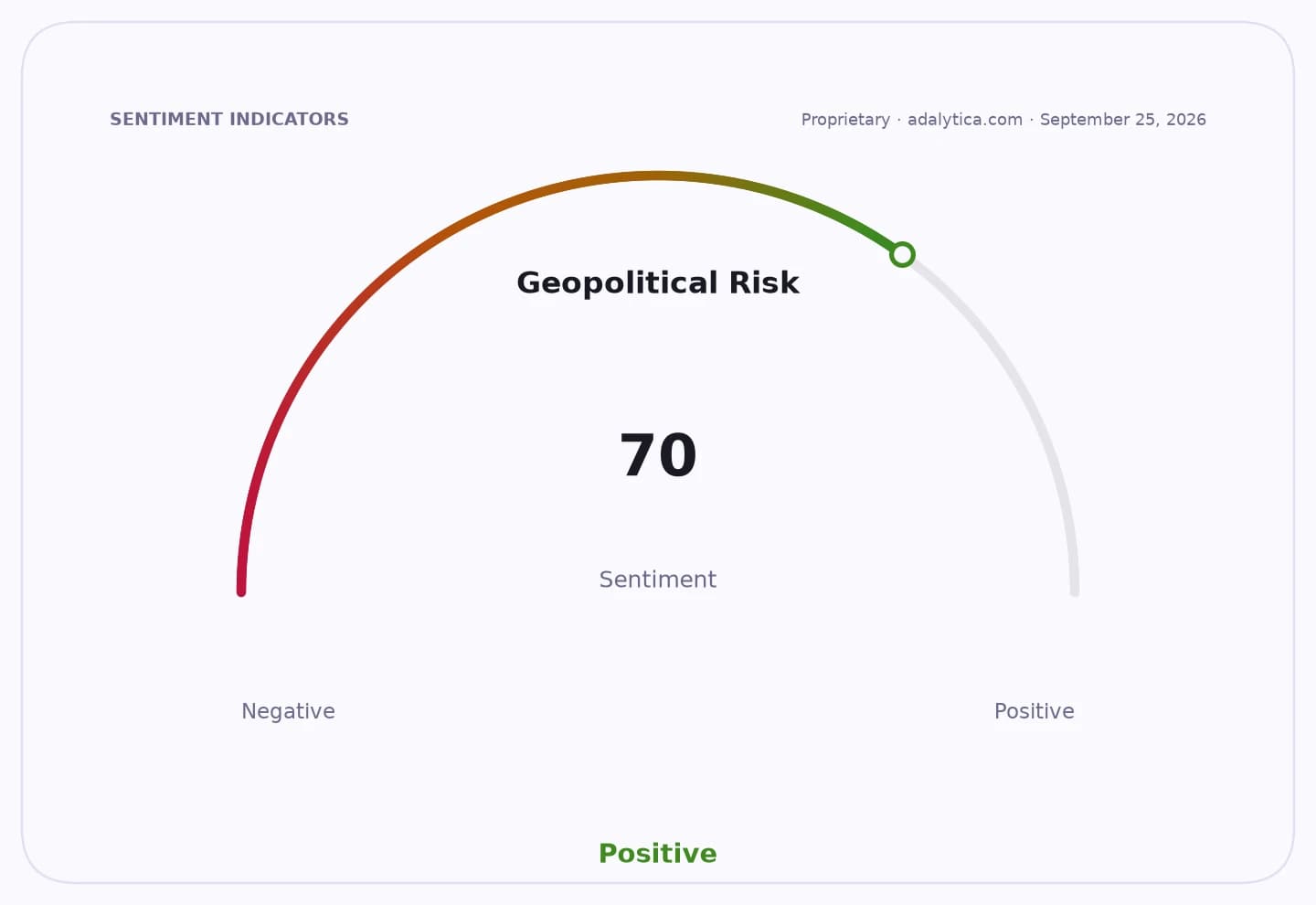
Sentiment IndicatorsⓘProprietary · adalytica.com · August 9, 2026
This is a snapshot — live sentiment, awareness and momentum for 130+ markets update continuously in the dashboard.Open AlphaPulse
That matters because U.S. wireless is a high-fixed-cost business. Carriers spend heavily on spectrum, towers, backhaul and network densification, then rely on subscriber growth, pricing power and lower churn to recoup that investment. A credible new entrant does not need to take massive share to alter behavior; even a niche offer aimed at rural users, travelers or emergency connectivity could force incumbents to defend pricing and accelerate spending on coverage and resilience.
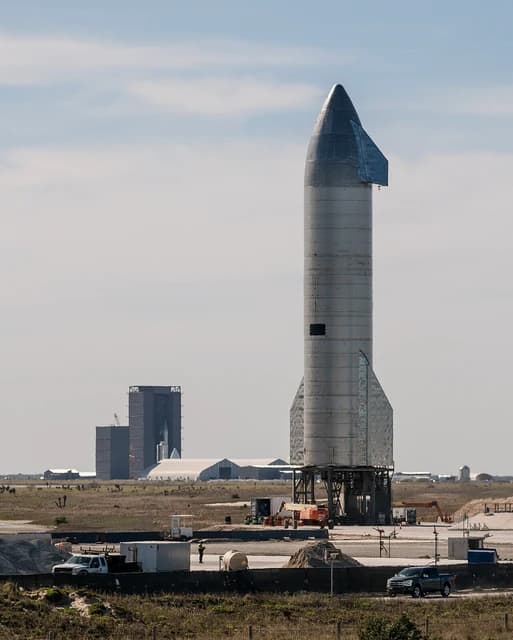
The timing also intersects with broader strategic shifts in communications infrastructure. The European Union is pushing ahead with its own sovereign satellite constellation, underscoring how governments and businesses alike are treating space-based communications as strategic infrastructure rather than a novelty. SpaceX has already become part of that global buildout, and a consumer wireless push would extend its role from capacity provider to direct competitor in a market dominated by established carriers.
For investors, the key question is whether the threat is structural or incremental. Bulls on SpaceX would argue that satellite-linked plans open a new addressable market and reinforce the company’s advantage in low-cost launch and vertically integrated network deployment. Bears on the incumbents would say that any early offering is likely to be limited by device compatibility, bandwidth constraints and regulatory complexity, keeping it far from a full substitute for terrestrial 5G.
The market backdrop suggests investors are already sensitive to disruption risk. Tesla, SpaceX’s sibling company, remains volatile, while U.S. equity sentiment has been flashing signs of strong risk appetite in recent sessions. That does not change the fundamentals of the wireless industry, but it does mean investors are more willing to price optionality around new business models.
Verizon, AT&T and T-Mobile therefore face a familiar challenge: defend high-value subscribers while proving that their own networks remain the best answer to coverage, speed and reliability. If SpaceX’s plans stay narrowly targeted, the incumbents can likely absorb the threat. If the service scales and pricing looks attractive, the competitive pressure on churn, margins and capital allocation could become harder to ignore.
| Entity | Gains | Losses |
|---|---|---|
| SpaceX | ▲New consumer revenue stream | ▼Higher rollout and regulatory risk |
| Verizon, AT&T, T-Mobile | ▲Defend network value if rival stays niche | ▼Pricing power and churn pressure |
| Rural and coverage-constrained users | ▲More connectivity options | ▼None in the near term |
| Satellite suppliers and launch ecosystem | ▲More demand for space-based services | ▼Traditional mobile-only growth models |