SpaceX’s push into satellite-to-phone service is shaping up to be more than a niche add-on. If Starlink Mobile really starts winning “quite a few” customers away from T-Mobile, Verizon and AT&T, it could become a meaningful new competitive front in U.S. wireless — one that matters for subscriber growth, pricing power and the long-term economics of network ownership.
SpaceX Starlink Mobile could pressure AT&T, Verizon, T-Mobile

That is why investors should pay attention. Wireless carriers have spent years fighting over mature markets where growth depends on extracting a little more revenue from each customer, not finding whole new pools of demand. A satellite-backed mobile offering aimed at eliminating dead zones could appeal to consumers, rural users and travelers who care more about coverage than brand loyalty. Over time, that can translate into churn pressure for the big three, especially if Starlink’s service is bundled in a way that makes switching feel easy.
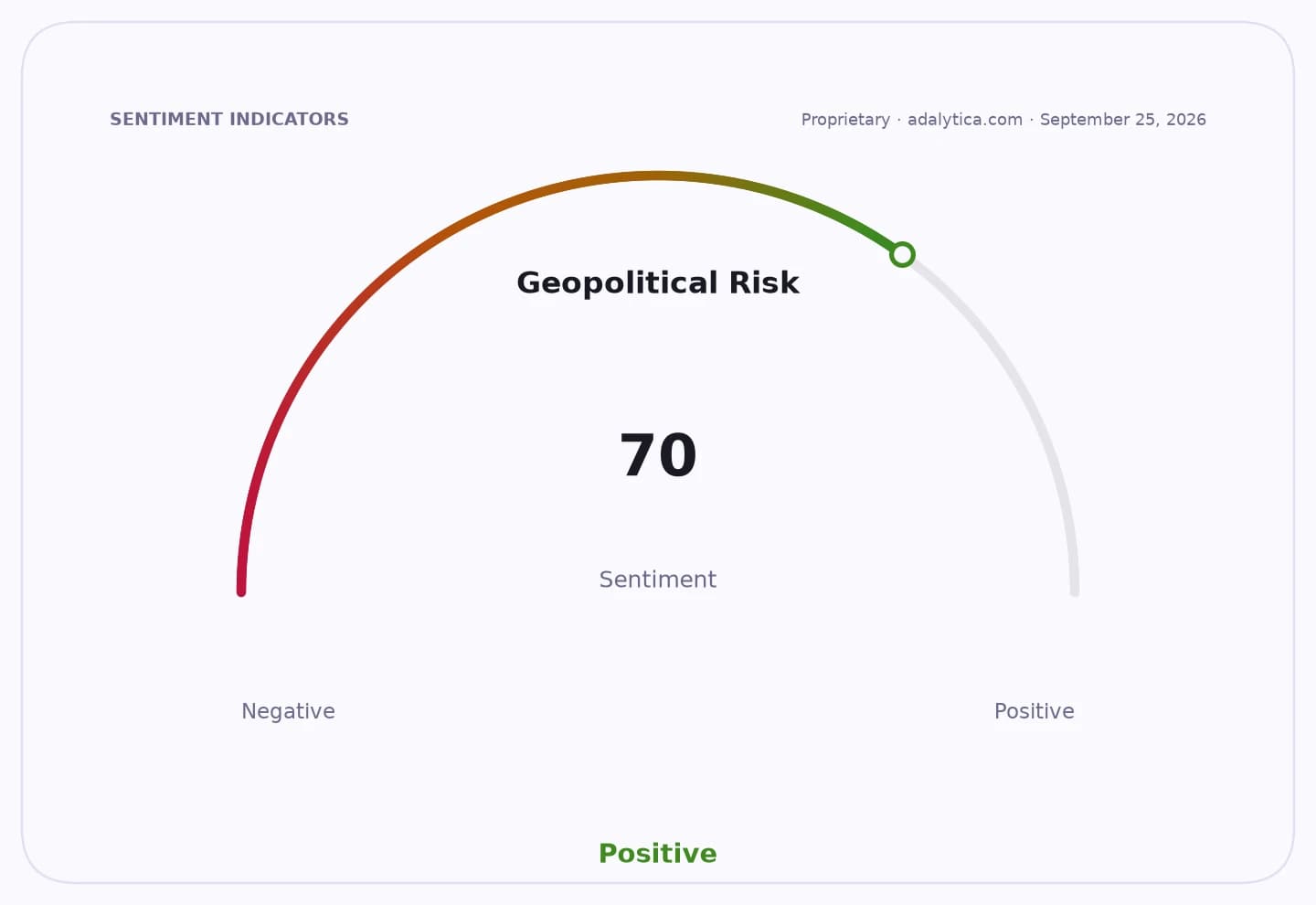
Sentiment IndicatorsⓘProprietary · adalytica.com · August 4, 2026
This is a snapshot — live sentiment, awareness and momentum for 130+ markets update continuously in the dashboard.Open AlphaPulse
The market is already telling a mixed story. AT&T shares have been grinding lower again, with the stock at $23.38 on Aug. 4, well below its 200-day moving average of $24.62. Verizon, by contrast, has held up better, closing at $46.88 and staying above both its 50-day and 200-day averages. T-Mobile remains the most vulnerable-looking of the group on the chart, at $177.21 versus a 200-day average near $197, even after a recent bounce. Those technical indicators do not predict the future, but they do show where investors have been voting with capital: Verizon has been viewed as the steadier defensive name, while T-Mobile’s more growth-heavy premium has been under pressure.
The bigger economic issue is that connectivity is becoming less tied to geography. If satellite mobile service can reliably extend coverage into places where terrestrial networks are expensive or impractical, it changes the cost-benefit math for carriers. Instead of competing only on speed and price, they will have to defend against a value proposition built around ubiquitous access. That could force more spending on coverage, more promotional activity, and potentially slower growth in average revenue per user if customers start demanding satellite-style capability without paying a premium.
For T-Mobile, Verizon and AT&T, that means the threat is not just lost subscribers. It is the possibility that Starlink helps reframe what “good” wireless service looks like. If consumers begin to expect seamless coverage everywhere, incumbent carriers may have to accelerate investment in dense networks, in-building solutions and other infrastructure just to keep pace. Verizon’s recent filings already point to that kind of spending, and T-Mobile has been talking up network partnerships to close dead zones. Starlink could intensify all of it.
Investors do not need to bet that Starlink will wipe out the wireless giants. These are still deep-moat businesses with huge spectrum holdings, entrenched distribution and recurring cash flow. But the long-term takeaway is clear: satellite mobile is no longer a science project. If SpaceX can take even a modest number of customers from the big carriers, it adds a durable competitive threat that deserves a place on any long-term investor’s watchlist. In a capital-intensive industry, even small shifts in churn can matter for years.
| Entity | Gains | Losses |
|---|---|---|
| SpaceX/Starlink | ▲New mobile revenue | ▼Incumbent carrier share |
| T-Mobile | ▲Coverage partnership upside | ▼Subscriber churn risk |
| Verizon and AT&T | ▲Rural dead-zone relief | ▼Pricing pressure |
| Consumers | ▲Wider coverage | ▼Potentially higher bills |