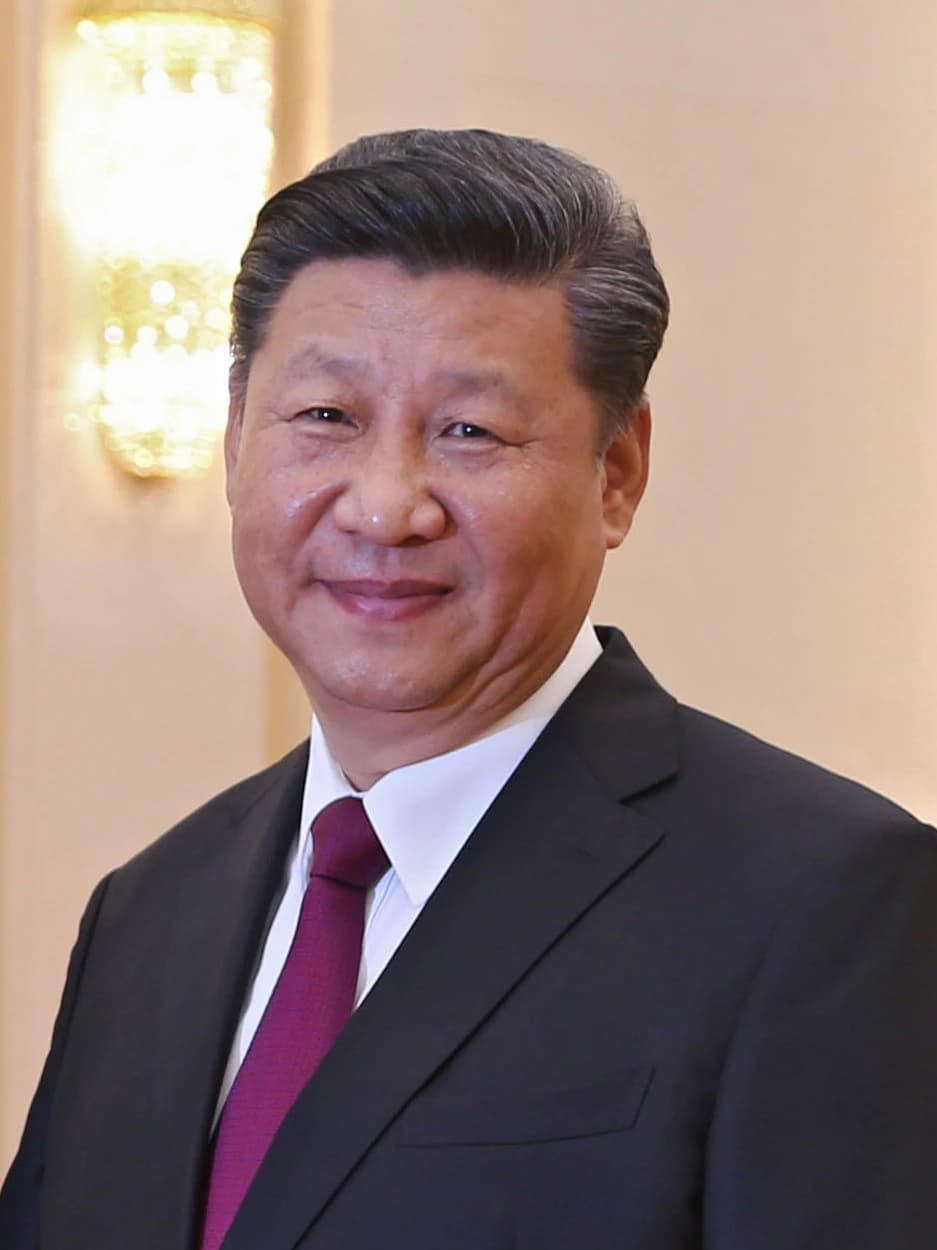
King Felipe VI’s visit to Beijing matters because it signals that Spain wants more China trade at a moment when Europe is still deciding whether to lean in, hedge or pull back. For investors, that is not a ceremonial subplot: it is a reminder that capital is likely to keep flowing toward the companies and sectors that profit from a less confrontational Europe–China relationship, from agricultural exporters to renewable-energy suppliers and other cross-border trade beneficiaries.
Spain-China Trade Ties Strengthened by Beijing Visit
Spain is positioning itself as the pragmatic outlier in Europe’s China debate. The timing is important. With bilateral trade already above $50 billion in 2024, Madrid is trying to turn diplomatic goodwill into incremental commercial gains, especially in wine, olive oil, green industry and technology. In a slower European economy, even modest access to the world’s second-largest consumer market can translate into real earnings leverage for Spanish exporters.
Sentiment IndicatorsⓘProprietary · adalytica.com · October 8, 2026
This is a snapshot — live sentiment, awareness and momentum for 130+ markets update continuously in the dashboard.Open AlphaPulse
That is why the market should not dismiss the trip as soft-power theatre. The underlying message is diversification. Spain is not abandoning its Western alliances, but it is clearly widening its economic options. That matters at a time when the global backdrop is being shaped by fragmented supply chains, geopolitical risk and pressure on growth in the euro area. Countries and companies that can sell into multiple blocs will command a premium.
For Beijing, the value is equally clear. Spain offers a major EU economy that is less hostile than some northern European peers and carries cultural reach into Latin America. For China, any softening of Europe’s stance helps preserve commercial access at a time when Brussels is increasingly wary of strategic dependencies. That makes Spain a useful bridge — and a potentially durable one if business follow-through continues.
Markets are already living through a world where political risk and trade policy can overwhelm pure fundamentals. Adalytica.com’s US–China relations sentiment gauge is sitting at 25, in “Fear,” with awareness at just 4, or “Extreme Fear,” underscoring how fragile cross-border sentiment remains. Against that backdrop, any visible easing in Europe–China ties can matter disproportionately for sentiment-sensitive assets and exporters tied to Asia.
The investment implication is straightforward: look for the quiet beneficiaries of renewed China engagement, not the headlines. Spanish food and beverage exporters, industrial suppliers tied to green infrastructure, and broader Europe-facing trade names are the cleanest plays if Madrid’s outreach becomes policy and procurement. On the macro side, a more balanced Europe–China relationship could also reduce one source of friction in a region already battling weak growth and uncertain external demand.
I believe the market underestimates how much incremental diplomacy can matter when trade growth is scarce. In a world of megatrend investing, this is not about chasing a single deal. It is about positioning for a longer cycle in which governments that can keep both Washington and Beijing at the table will create asymmetric opportunities for their best exporters.
The real catalyst now is execution: whether this visit turns into repeat business, investment commitments and more frequent high-level engagement. If it does, Spain could become the template for the rest of Europe — and investors who move early into its export and industrial champions may capture the upside before the consensus catches up.
| Entity | Gains | Losses |
|---|---|---|
| Spanish exporters | ▲Better China access | ▼Reliance on sluggish EU demand |
| Chinese buyers | ▲More EU trade options | ▼Less leverage if ties broaden |
| Spain’s government | ▲Diplomatic relevance | ▼Pressure to balance EU/NATO ties |
| Cautious EU hawks | ▲ | ▼Spain’s pragmatic trade model |