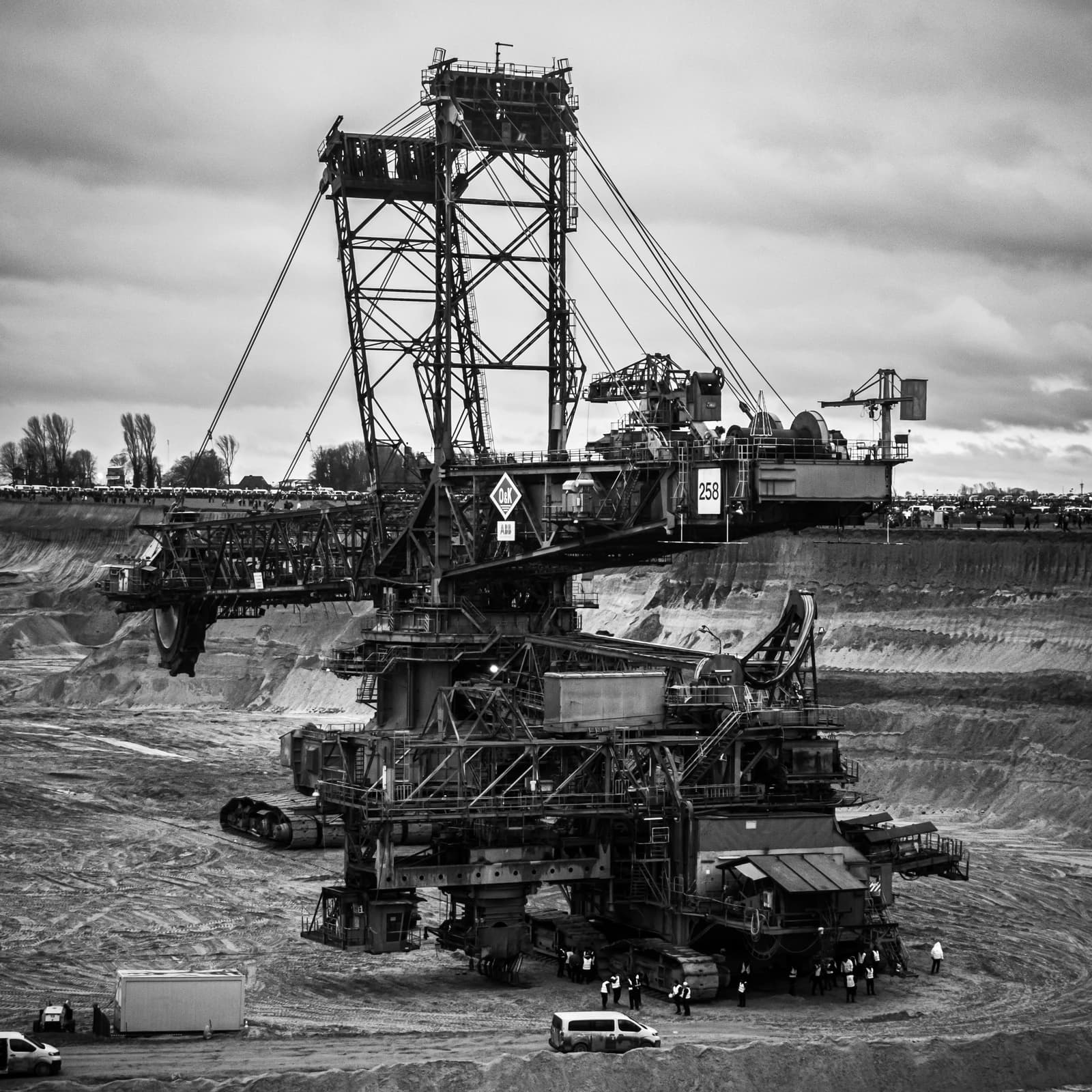
Majorca’s final coal units have been authorised for permanent closure four years ahead of schedule, a small but telling milestone in Spain’s energy transition that underscores how far renewables have reshaped the power system — and how far the country still is from passing those savings through to households and businesses.
Spain authorizes Majorca coal plant closure
The move at the Es Murterar plant in Alcudia is economically important because it removes one of the island’s last coal-fired backstops just as Spain leans on wind and solar to cut fuel imports and improve energy security. Endesa, Spain’s biggest utility, says the shutdown will not jeopardise supply because two gas turbines will remain on site. That matters for investors and policymakers alike: the transition is no longer about whether coal can be retired, but whether cleaner generation can reliably replace it without forcing consumers to absorb higher network charges, taxes and balancing costs.
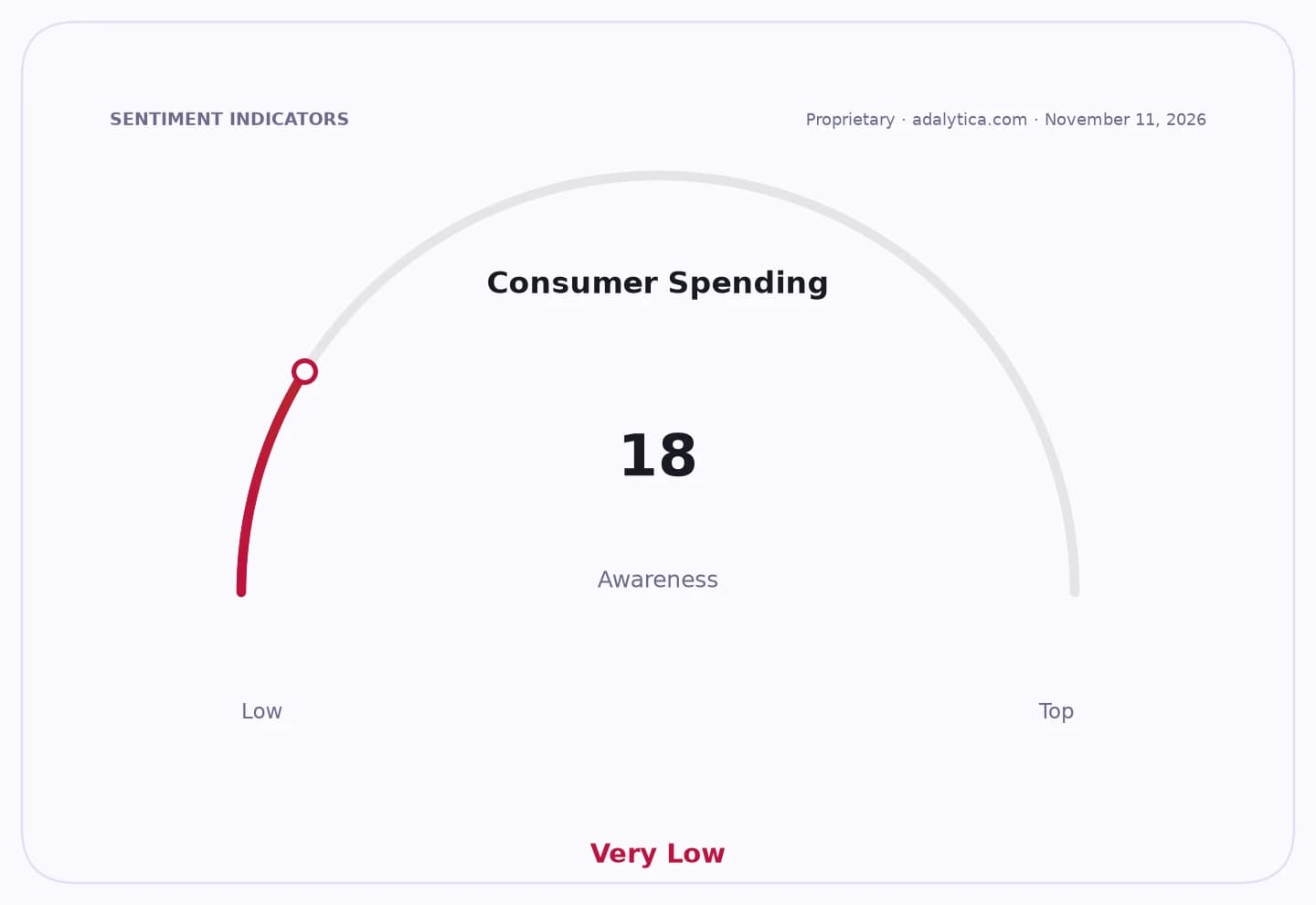
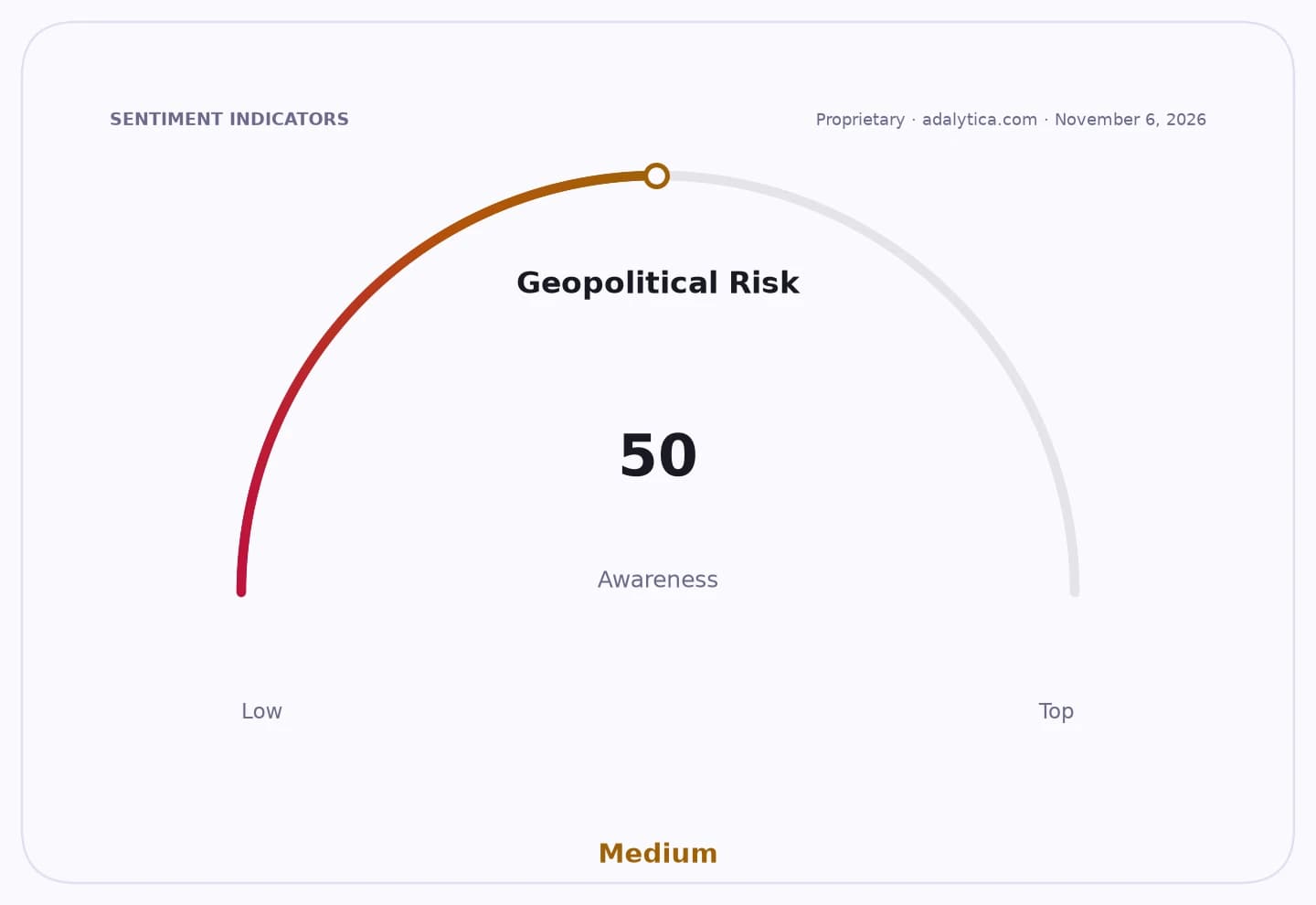
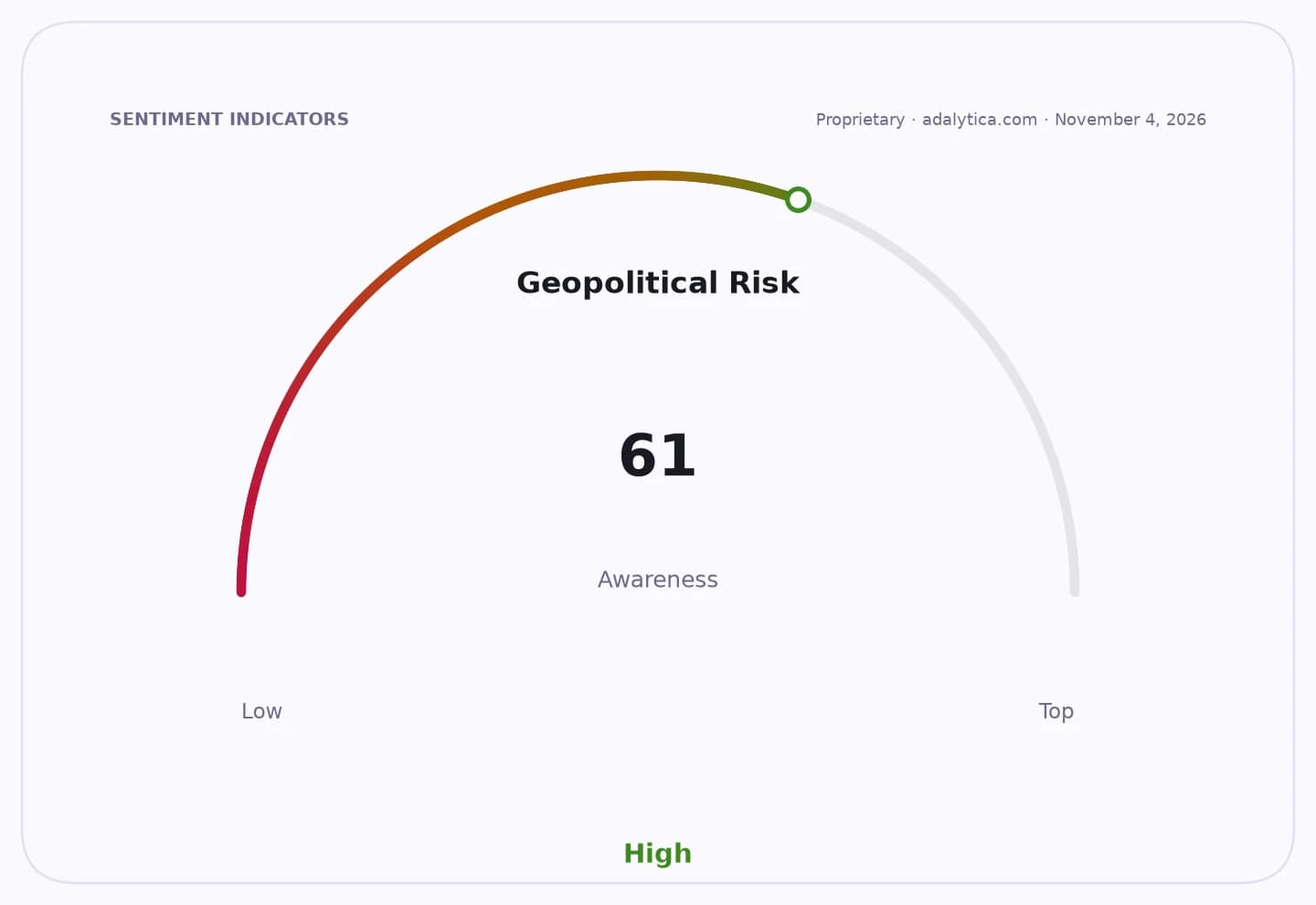
Sentiment Indicators
Spain has already captured measurable benefits from the shift. The International Energy Agency says the country saved about $26 billion in natural gas import costs between 2011 and 2024, largely thanks to the expansion of solar and wind. Renewable capacity has more than doubled to 119 gigawatts over the past decade, while emissions have fallen by a fifth. In 2025, solar accounted for 21.9% of generation and wind 20.4%, while coal fell to just 0.9% of the mix. That is the macroeconomic narrative behind Majorca’s closure: less imported fuel, lower wholesale power prices and a reduced exposure to the kind of gas-price shock that hit much of Europe after Russia’s invasion of Ukraine.
But the plant shutdown also highlights the policy gap that still limits the consumer dividend. Electricity makes up only 25% of Spain’s final energy consumption, well below the 35% target for 2030, because transport, heating and industry remain heavily dependent on fossil fuels. The IEA says levies, taxes and grid charges keep end-user electricity prices elevated even as wholesale costs fall. That is why the question in the headline matters: renewable generation can lower system costs, but the savings will not automatically show up in bills unless Madrid rebalances tariffs and accelerates electrification.
For utilities and power investors, the implications cut both ways. Coal exit risk is now largely a stranded-asset issue, not a supply threat, and gas units are increasingly a bridging asset rather than a growth engine. That supports the long-term case for renewable-heavy operators and grid infrastructure owners, but it also keeps pressure on firms exposed to thermal generation, fuel procurement and regulated cost recovery. Endesa’s reassurance on supply is a reminder that gas still plays a backup role; the bear case for the transition is that intermittent renewables still need flexible capacity, storage and networks that can absorb rising capital spending.
The broader European lesson is that Spain has become one of the clearest tests of whether a rapid renewable buildout can both improve energy security and restrain costs. Majorca’s last coal shutdown strengthens that case, but the next phase will be judged less by how quickly coal disappears than by whether households and industry see a bill reduction they can actually feel.
| Entity | Gains | Losses |
|---|---|---|
| Spain’s renewables sector | ▲Lower fuel imports, stronger policy case | ▼N/A |
| Endesa / gas turbines | ▲Backup role preserved | ▼Coal generation exits |
| Households and businesses | ▲Potentially lower wholesale power costs | ▼Still high taxes and network charges |
| Coal producers / coal assets | ▲N/A | ▼Accelerating demand decline |