Spain’s push to trim household electricity bills this summer underscores a broader struggle in Europe’s power market: how to protect consumers from volatile energy costs without weakening the economics of the grid and the clean-energy transition.
Spain’s Summer Power-Saving Push
That matters because electricity bills are not just a seasonal nuisance. They feed directly into inflation, household spending power and the political pressure on utilities and policymakers. With oil prices still above recent lows and Spain’s consumer-price backdrop remaining elevated relative to the pre-pandemic era, anything that lowers energy use can ease near-term pressure on budgets even if it does little to solve the structural issue of expensive power systems.
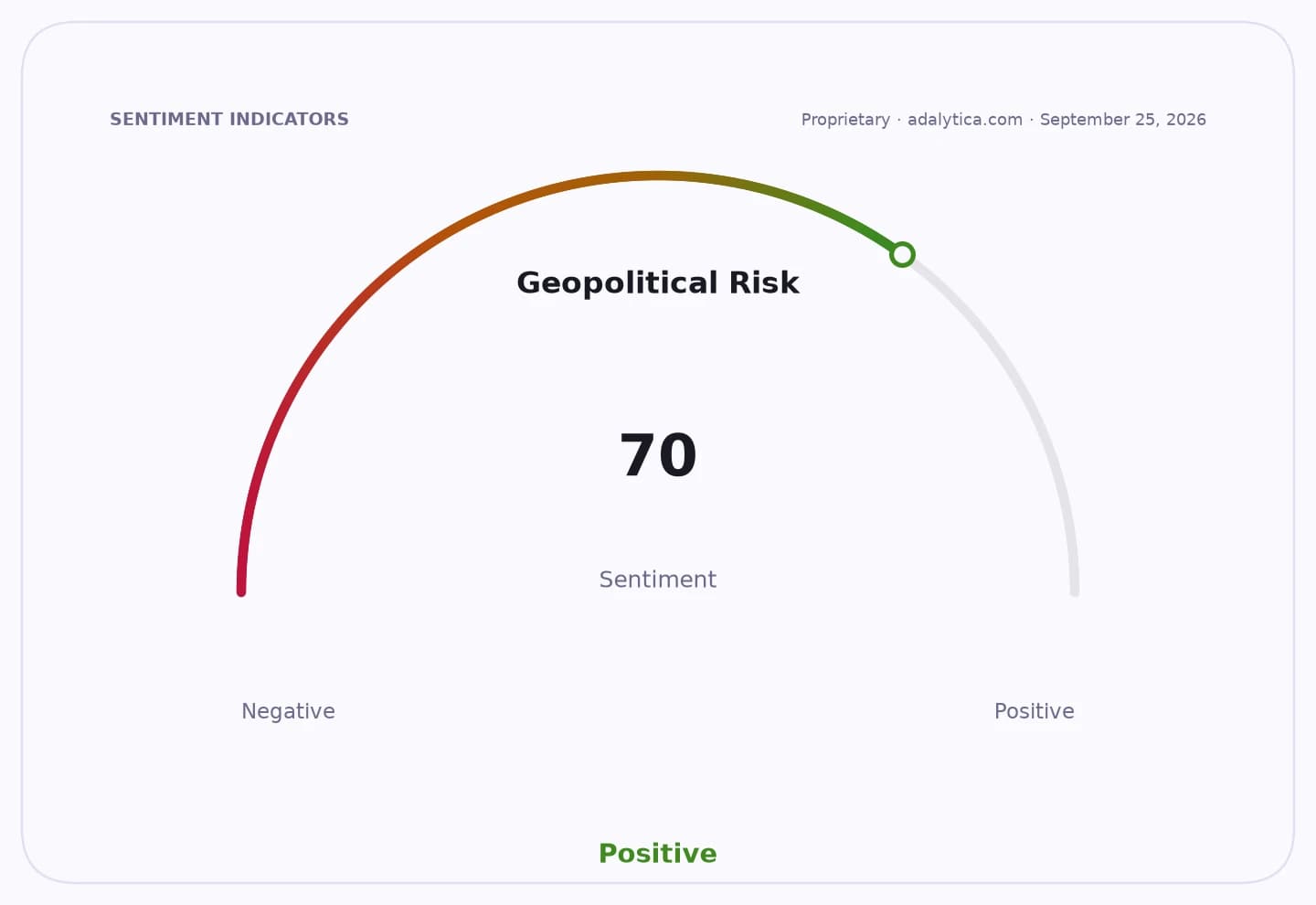
Sentiment IndicatorsⓘProprietary · adalytica.com · July 23, 2026
This is a snapshot — live sentiment, awareness and momentum for 130+ markets update continuously in the dashboard.Open AlphaPulse
The message behind Endesa’s consumption-saving guide is simple enough: use less at peak times, run appliances more efficiently and avoid the habits that waste power in heat waves. The underlying economics are less simple. A household that cuts air-conditioning demand, shifts laundry or dishwasher use away from the most expensive hours and limits standby consumption is effectively reducing exposure to the part of the bill most sensitive to wholesale market swings. In summer, when cooling demand surges, that can make a meaningful difference.
For utilities, the short-term effect is mixed. Lower demand can reduce stress on the network and delay the need for emergency measures, but it also caps volumes just as companies try to pass through higher system costs. For consumers, especially lower-income households, the gains are immediate: every kilowatt-hour avoided is a direct hedge against a bill that is still being shaped by fuel costs, network charges and regulatory levies.
The market backdrop points to why this theme is resonating. Brent-equivalent oil prices, while far below the 2022 peak, remain high enough to keep fuel-sensitive inflation risks on the radar. U.S. consumer sentiment has weakened sharply, and Bloomberg-style technical indicators on Spanish utility stocks suggest investors are not treating the sector as a clean defensive trade. Endesa parent Enel’s Spanish-listed rival ELE has slipped below its 200-day moving average, while Enphase Energy, a proxy for distributed solar, has been volatile and well below its recent highs, reflecting how uneven the investment case remains across the energy-savings complex.
The policy angle is equally important. Across Europe, regulators are trying to encourage self-consumption, rooftop solar and smarter demand management because those are among the few tools that can reduce bills without heavy subsidies. Recent moves to ease the sale of excess rooftop power and promote direct electricity trading point in the same direction: households are becoming part of the supply solution, not just passive bill payers.
That creates a clear bull case and bear case for investors. The bull case is that demand-side efficiency, smart metering and rooftop solar can support a more resilient power system and gradually improve customer economics. The bear case is that consumer-saving campaigns are a symptom of a still-fragile market in which households need to be told how to cope with structurally high electricity costs, rather than a sign that those costs are coming down.
What to watch now is whether summer conservation efforts translate into lasting changes in consumption behavior and whether policymakers follow guidance campaigns with tariffs, subsidies or market reforms that make lower bills structural rather than temporary.
| Entity | Gains | Losses |
|---|---|---|
| Households | ▲Lower summer bills | ▼Less comfort if savings are overdone |
| Utilities | ▲Lower peak-load strain | ▼Lower sales volumes |
| Rooftop solar owners | ▲Better self-consumption economics | ▼Grid-usage revenue pressure |
| Regulators | ▲Easier inflation management | ▼More pressure for deeper reforms |