The Social Democrats want to rewrite their foreign and security policy at a January party conference, a move that could sharpen Germany’s debate over Ukraine aid, defense spending and the party’s stance toward Russia just as voters and coalition partners demand clearer answers.
SPD to rewrite foreign and security policy in January
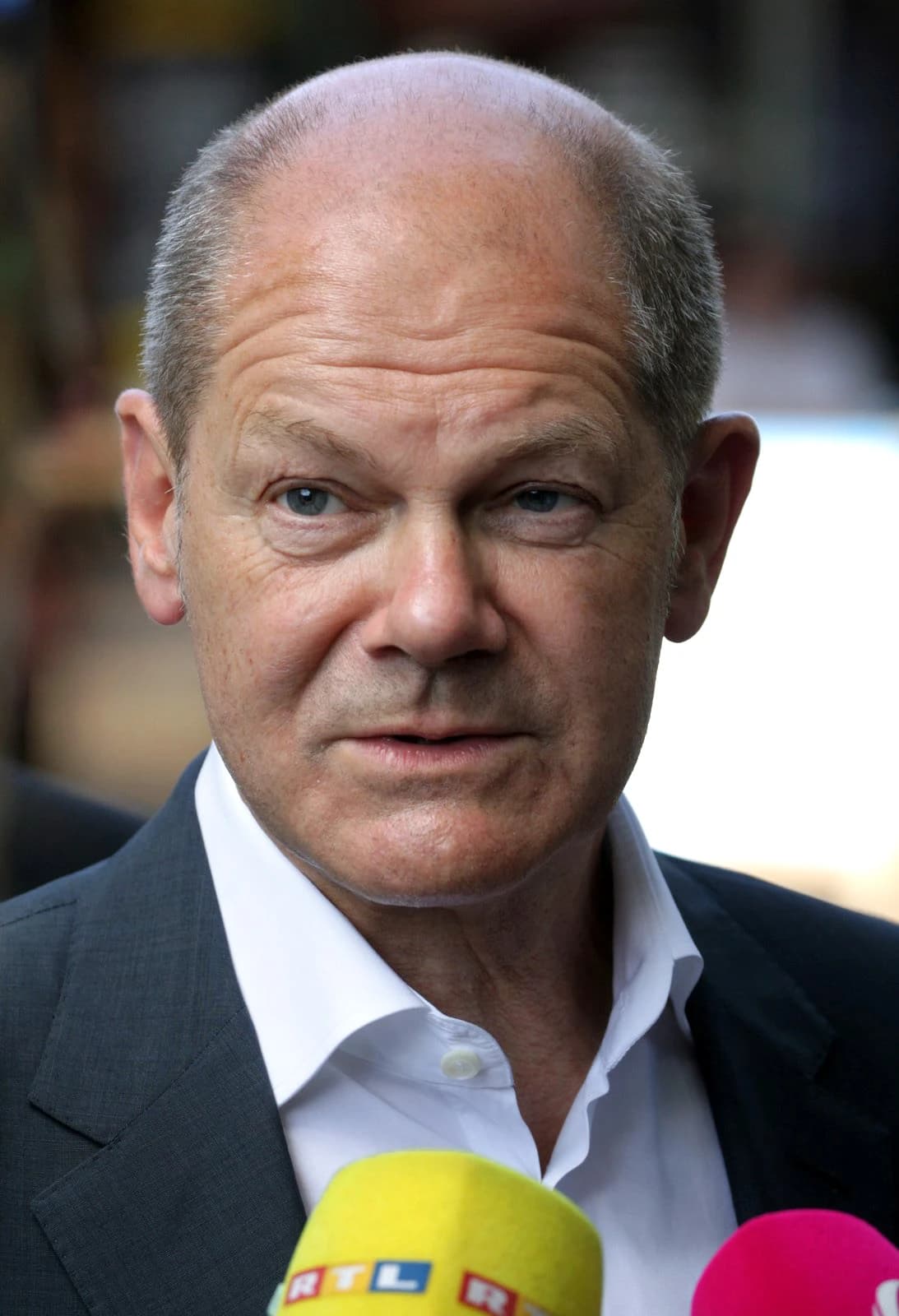
SPD General Secretary Tim Klüssendorf said the party leadership plans a standalone policy motion to define a “robust détente policy” and reset the party’s position on war, peace and security. The push comes as the SPD is wrestling with internal criticism over “billions in military aid for Ukraine without a peace perspective,” while social spending pressures at home keep the party under strain.
Sentiment Indicators
The timing matters for Germany’s economy and its role in Europe. A harder line on security policy would feed into decisions on defense budgets, industrial policy and the government’s room to maneuver in supporting Ukraine, all of which have direct implications for fiscal policy and for sectors tied to rearmament, energy and heavy industry.
Klüssendorf said the conference in January should send two signals: a new personnel setup and a substantive reset for the months ahead. That process is already under way, with the party’s motions committee set to meet in December to lock in the programmatic line before the convention.
The foreign policy debate also lands amid a broader attempt to steady the SPD after leadership upheaval. The party will elect a new executive in Bremen after co-chair Bärbel Bas stepped down, while co-chair Lars Klingbeil has yet to say whether he will run again. Klüssendorf left open whether he will seek another term as secretary general.
For investors, the significance is less about party procedure than about what it could mean for German policy continuity. Any SPD shift on Ukraine, the military, taxes and industrial support could ripple through bond markets, defense contractors and exporters, while also affecting the coalition’s stability and the pace of economic reforms.
The party is also preparing to lean into issues such as affordable living, the future of German industry and higher taxation of the wealthy, including inheritance tax reform if the constitutional court opens the door. That mix underscores how the SPD is trying to reconcile fiscal pressure, industrial decline and geopolitical risk in one platform.
Klüssendorf insisted the SPD remains committed to the coalition with the conservatives and denied any exit plan, saying both sides still aim to agree on pension reform before year-end. The next catalyst is December’s internal drafting session, which should show how far the party is willing to move on security, spending and taxation ahead of the January congress.
| Entity | Gains | Losses |
|---|---|---|
| SPD leadership | ▲clearer party line | ▼internal dissent |
| Defense sector | ▲potential policy support | ▼if restraint returns |
| Ukraine aid backers | ▲continued backing | ▼peace-first critics |
| Coalition partners | ▲policy clarity | ▼room for compromise |