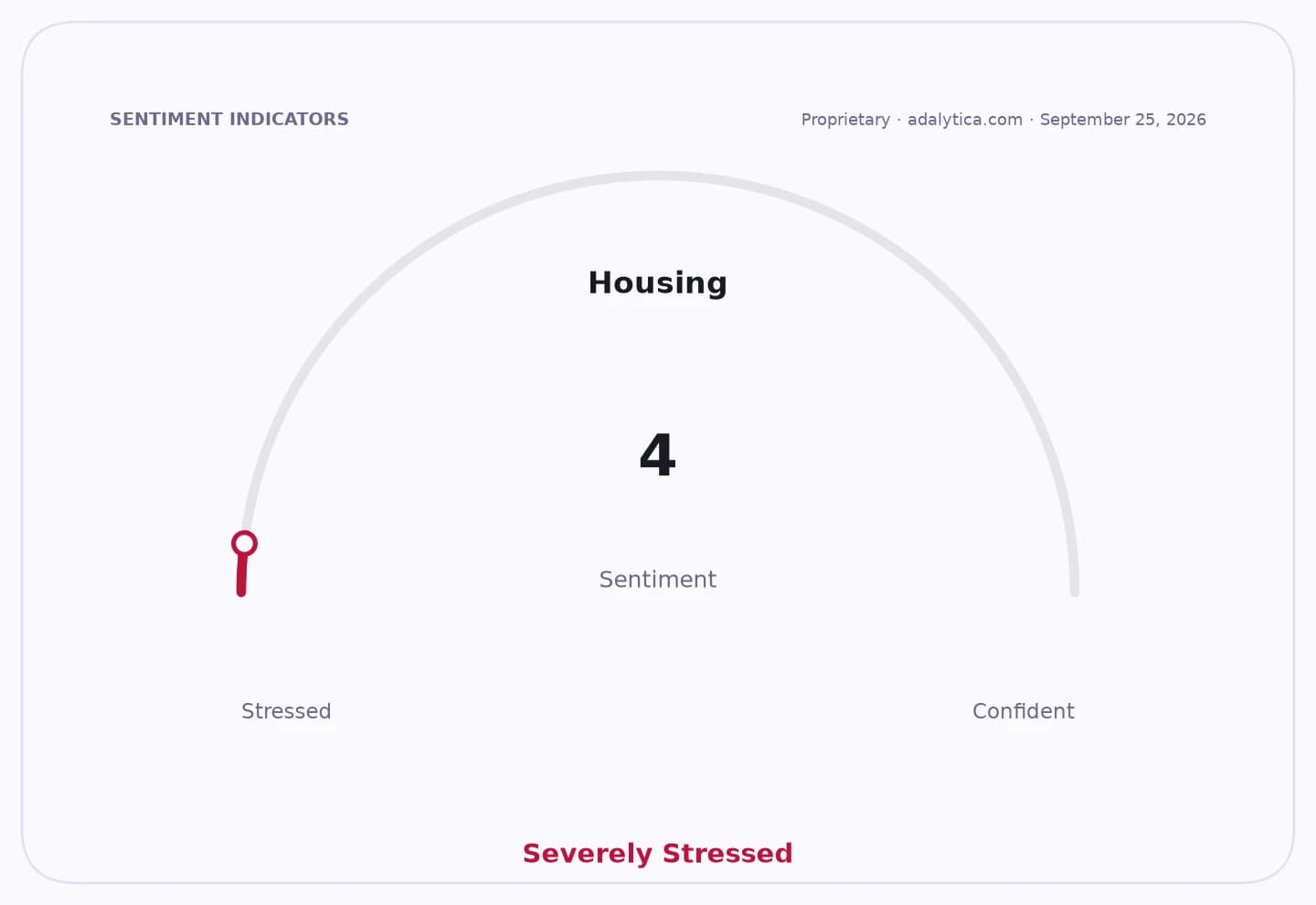
Renters searching for a four-bedroom house in Spintex are confronting a market that is suddenly running hot, and that matters because housing affordability is now becoming a visible pressure point rather than a background trend. Adalytica’s Housing Fear & Greed Index has surged to 100, or extreme greed, while the housing and rent inflation gauge has jumped sharply in the latest readings, suggesting demand is running ahead of supply and landlords have regained pricing power.
Spintex Rent Pressure Signals Housing Pricing Power
That is economically important because rent is a sticky cost that filters through household budgets, consumer spending and ultimately inflation expectations. When prospective tenants compete for scarce family homes in neighborhoods such as Spintex, the market is telling us that middle-class demand remains intact even as financing conditions and broader cost pressures bite. In plain terms, households are still trying to move up the housing ladder, and they are willing to pay for space, location and livability.
The broader investment message is bigger than one rental listing. Housing markets rarely move in isolation: when sentiment jumps this far, it usually reflects a tightening in available inventory, stronger demand for better-quality homes and a renewed willingness to spend on making rental properties feel finished. That is where the quiet winners emerge. Landlords with well-located stock gain pricing leverage. Home-improvement and furnishing sellers benefit from tenants and owners who want to turn a house into a home without taking on the cost of ownership. Even low-ticket items — rugs, soft furnishings, lighting and storage — can outperform when consumers are focused on comfort and customization.
The contrast between the two gauges is telling. The rent-specific reading is still neutral, but awareness has slipped into fear territory even as the wider housing fear-and-greed measure is flashing extreme greed. That gap usually signals a market in transition: buyers and renters may be anxious about affordability, yet they are still active, which often keeps transactions flowing and supports asset values. For investors, that is the kind of setup that can create asymmetric opportunities in property-linked businesses, building materials, furnishings, and rental platforms serving urban growth corridors.
Spintex, as a rental market, sits right in the path of that dynamic. A four-bedroom house is not a niche trade; it is a bellwether for family demand, urban mobility and the willingness to pay for larger living space. If this segment remains tight, the beneficiaries are the owners of rental stock and the ecosystem that helps properties lease faster and feel more premium. The losers are bargain-hunting tenants and anyone betting that housing demand is about to soften meaningfully.
The takeaway is straightforward: the market underestimates how durable housing demand can be once a neighborhood like Spintex becomes a preferred destination. I believe the better trade is to position early in the picks-and-shovels of home creation and rental demand rather than waiting for affordability to normalize, because in a greed-heavy housing market, pricing power tends to show up first where inventory is scarcest.
| Entity | Gains | Losses |
|---|---|---|
| Spintex landlords | ▲Higher rents | ▼None |
| Home-furnishing sellers | ▲More demand | ▼Bargain seekers |
| Renters seeking larger homes | ▲More choice if supply rises | ▼Higher monthly costs |
| Housing-linked investors | ▲Pricing power | ▼Affordability-sensitive households |