U.S. stocks slipped back into cautious trading as investors wrestled with a simple but powerful problem: inflation is still refusing to fully cooperate, and that keeps interest rates higher for longer than many had hoped. That matters because elevated rates squeeze valuation multiples, raise borrowing costs and make it harder for equity markets to sustain the kind of broad rally investors have enjoyed when money was cheap.
SPY at 747.03 as inflation keeps rates high
The S&P 500 ETF, SPY, finished July 31 at 747.03, up on the day, but the broader message from recent trading has been one of fragility rather than conviction. The fund has been whipsawed for weeks, with its 50-day moving average now near 744.22 and the 200-day moving average at 697.41, a reminder that the long-term trend is still intact even as momentum cools. Its relative strength index, or RSI, has recovered from deeply oversold levels but remains a sign of a market that is not exactly firing on all cylinders.
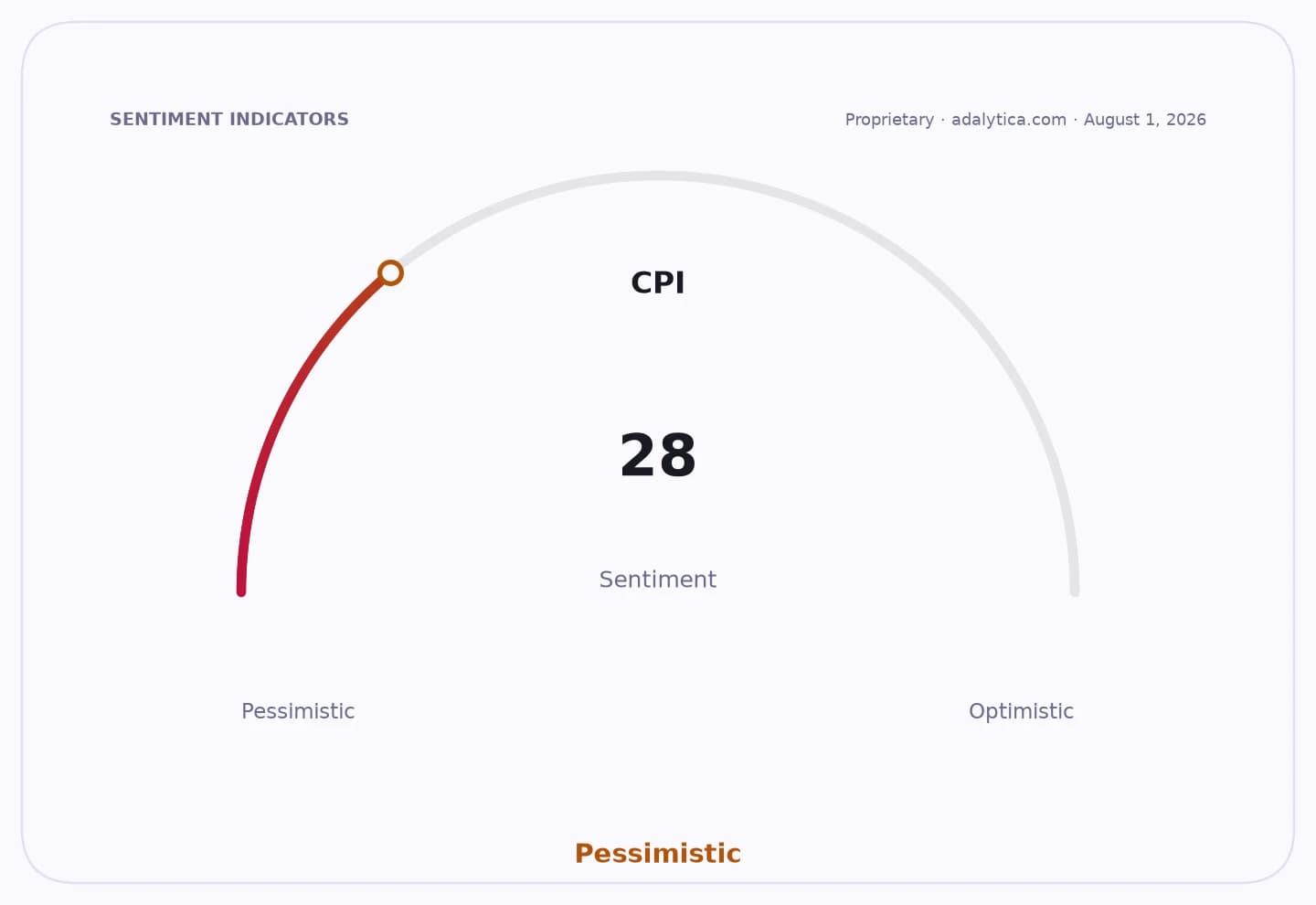
Sentiment IndicatorsⓘProprietary · adalytica.com · August 1, 2026
This is a snapshot — live sentiment, awareness and momentum for 130+ markets update continuously in the dashboard.Open AlphaPulse
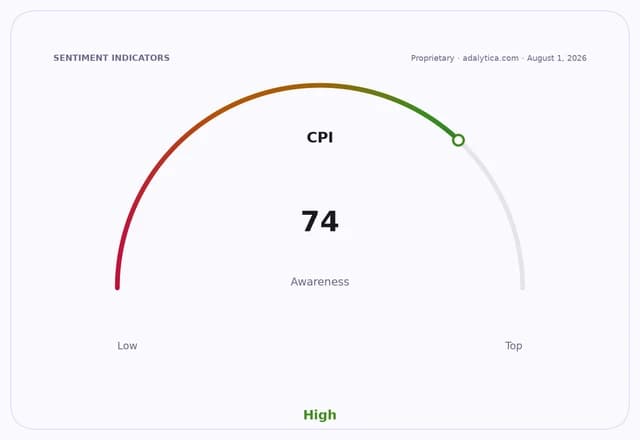
The real drag on sentiment is the inflation backdrop. The consumer price index stood at 332.568 in June after a 0.42% monthly decline, but the bigger question for investors is not one soft print. It is whether price pressures can stay contained as central banks stay wary. The Federal Reserve’s policy rate sits around 3.63%, while the 10-year Treasury yield has climbed to about 4.68%, keeping pressure on stocks that depend on cheap capital and future earnings growth.
That is why the market’s caution matters beyond a single day’s tape. When inflation confidence weakens, it tends to hit the parts of the market that are most sensitive to financing costs, especially small-cap stocks and longer-duration growth names. The Russell 2000 ETF, IWM, ended July 31 at 291.20, near its 50-day average, but still showing a market that is struggling to build a clean, durable breakout. Bonds, meanwhile, have been under strain too, with the long Treasury ETF TLT at 82.25 and below its 200-day average, signaling that traders still want more compensation for inflation risk.
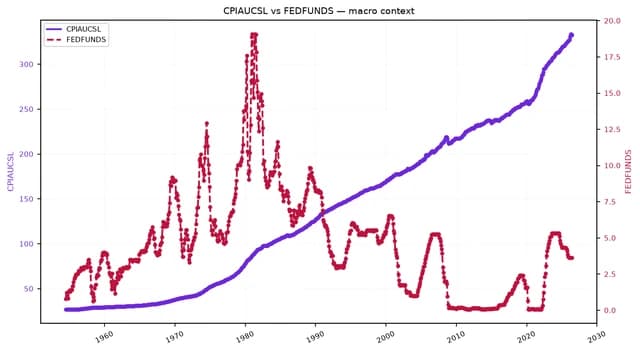
For long-term investors, this is less a reason to panic than a reminder to stay disciplined. Inflation can be noisy month to month, but its impact on portfolio returns is real and persistent. If price growth stays sticky, the market may keep rotating toward companies with pricing power, strong free cash flow and balance-sheet strength, while punishing businesses that need easy credit or heroic growth assumptions.
The good news is that markets eventually adapt. If inflation expectations continue to stabilize, stocks can recover quickly because the discount-rate pressure eases. But until investors see that in the data, cautious trading may keep winning over aggressive risk-taking. For buy-and-hold investors, the lesson is the same as ever: focus on quality, diversify broadly and be willing to use volatility as a long-term opportunity rather than a short-term verdict.
| Entity | Gains | Losses |
|---|---|---|
| Large-cap quality stocks | ▲Pricing-power support | ▼None directly |
| Small-cap stocks | ▲Selective rotation | ▼Higher borrowing costs |
| Bondholders | ▲Inflation hedges if yields rise | ▼Existing bond prices |
| Inflation-sensitive borrowers | ▲Few | ▼Funding pressure |