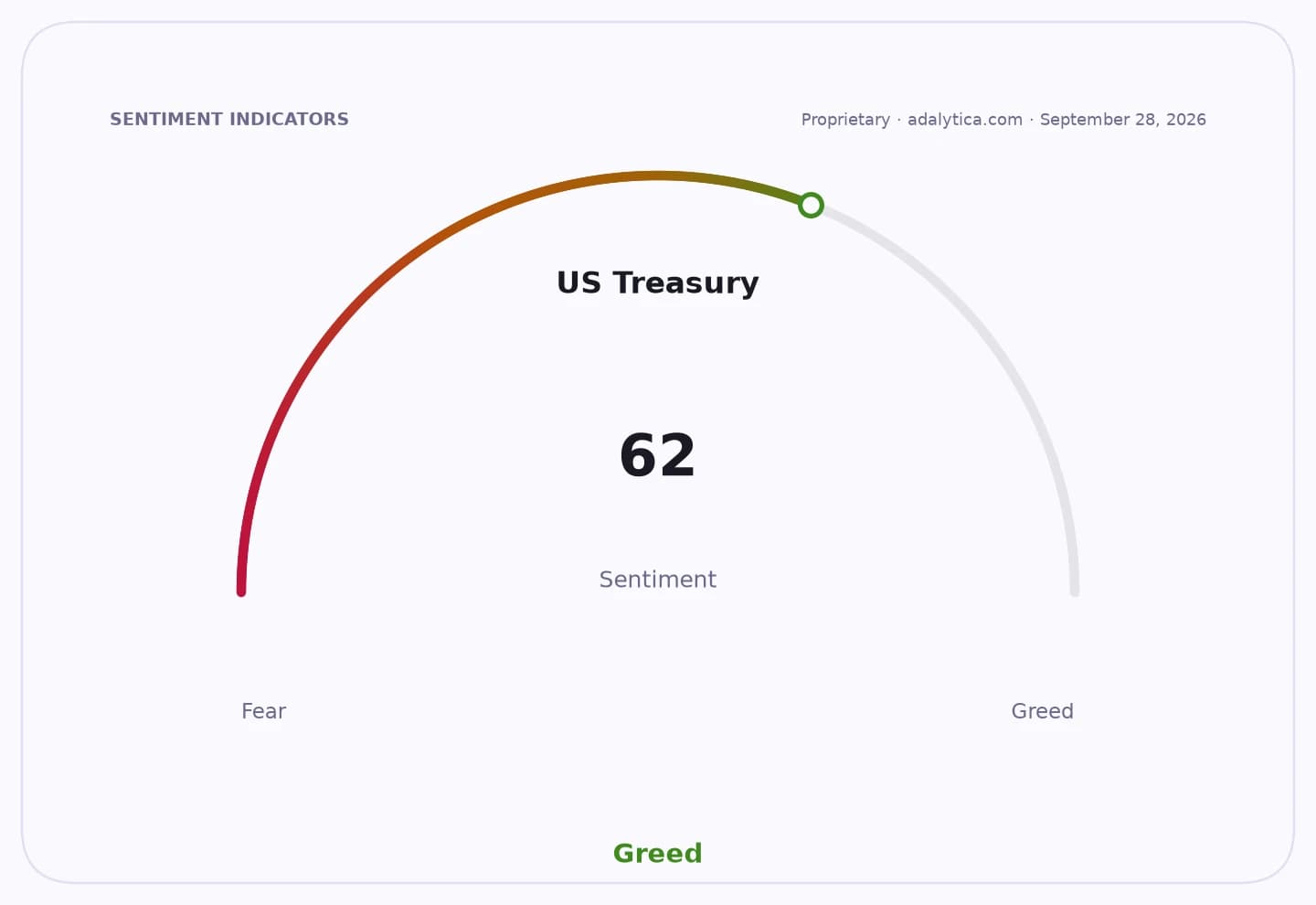
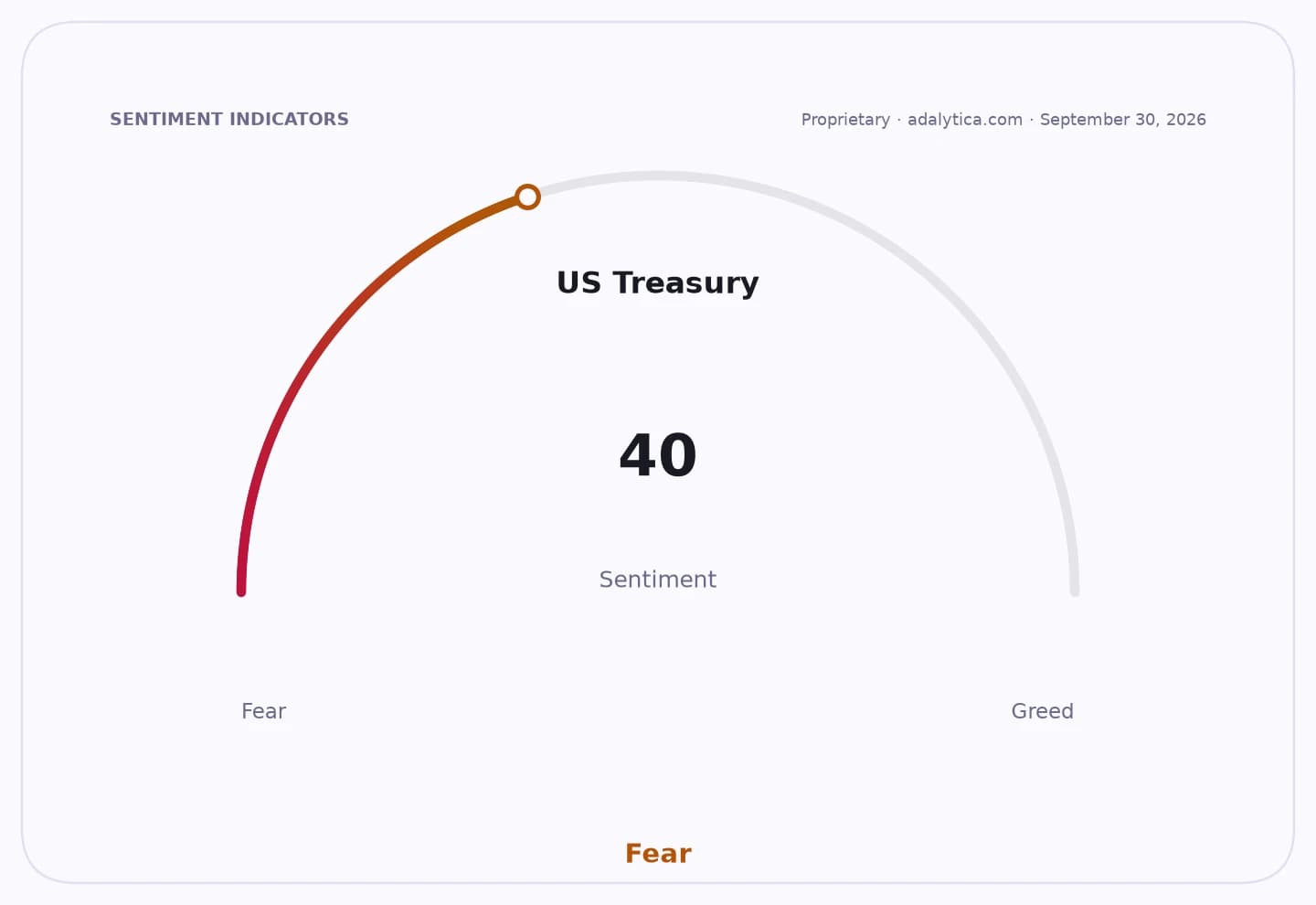
SPY traded just above 762 on Oct. 1 as the 10-year Treasury yield hovered around 5.3%, reinforcing the market’s view that stocks remain one of the few liquid hedges against a weaker purchasing power backdrop.
SPY Trades Above 762 As Yields Stay High

That is the core of the “dollar debasement” trade: investors are paying up for equities even as nominal yields stay elevated and the dollar’s real buying power is eroded by persistent inflation and a still-expanding money supply. On a simple lens, the S&P 500’s rise has to clear a higher hurdle than price gains alone — roughly 3% productivity-adjusted growth just to preserve real value — which is why the index’s advance matters as much for capital preservation as for returns.

The latest SPY close of 762.75 leaves the ETF near the top of its recent range and well above its 50-day moving average of 761.54, with the 200-day average at 716.55. RSI readings around 50.3 point to a market that is no longer stretched after the sharp spring rally, while the MACD remains modestly positive, suggesting the uptrend is intact but not accelerating.
The macro backdrop remains supportive of that trade. M2 money supply reached 23,342.8 billion in August, up 10.31% from a year earlier, while core CPI stood at 337.765, still leaving inflation well above the Fed’s long-run comfort zone. Even with the 10-year yield up to 5.26% on Sept. 29 and a forecast at 5.3% for Sept. 30, investors are continuing to allocate to equities rather than sit in cash-like instruments that lose ground in real terms.

That helps explain why gold and stocks can both draw attention in the same regime: both are being used as stores of value when the dollar is under pressure, even if gold pulled back to $4,329 after the dollar firmed. For investors, the key question is not whether nominal asset prices are rising, but whether those gains are beating inflation, rates and money supply growth.
The next test is whether higher yields start to compress equity multiples or whether continued money growth and sticky inflation keep the bid under risk assets. September and October inflation data, along with any move in the 10-year toward or above 5.3%, will determine whether the market keeps treating SPY as a debasement hedge or rotates back toward cash and bonds.
| Entity | Gains | Losses |
|---|---|---|
| SPY / S&P 500 longs | ▲Nominal upside, inflation hedge | ▼Real returns if inflation stays sticky |
| Cash holders | ▲Liquidity, optionality | ▼Purchasing power erosion |
| Treasury bond investors | ▲Higher starting yields | ▼Price risk if yields keep rising |
| Gold buyers | ▲Alternate store of value | ▼Short-term volatility from dollar strength |