SPY is trading back near the effective breakeven levels that matter for covered-call sellers, a setup that can improve assignment odds, accelerate premium collection and free up capital for a new options cycle.
SPY Rebounds Into Better Covered-Call Zone
That matters because the S&P 500 ETF’s latest move puts the trade back in a more favorable part of the range for investors using the stock for income strategies. SPY closed at 748.28 on July 21, just above its 50-day moving average at 743.81, after recovering from a March selloff that briefly pushed it to 646.90. The rebound has restored a more constructive backdrop for option writers who want shares called away rather than stuck in a low-delta position.
For covered-call traders, the seed point is the economics of the trade: being assigned at a strike closer to an investor’s effective cost basis can mean giving up some upside premium on paper, but it also raises delta, increases the likelihood of assignment and can shorten the holding period before a new contract is sold. In practice, that can mean more frequent premium capture and a faster recycle of capital, which is the real attraction when volatility is subdued and the index is grinding higher.
The technical picture supports that setup. SPY’s RSI reading of 51.4 signals a neutral momentum backdrop, while the ETF remains above its 200-day moving average at 694.27, keeping the longer-term trend intact. Its close also sits below the upper Bollinger Band at 759.96, leaving room for further upside without immediately flashing an overextended signal.
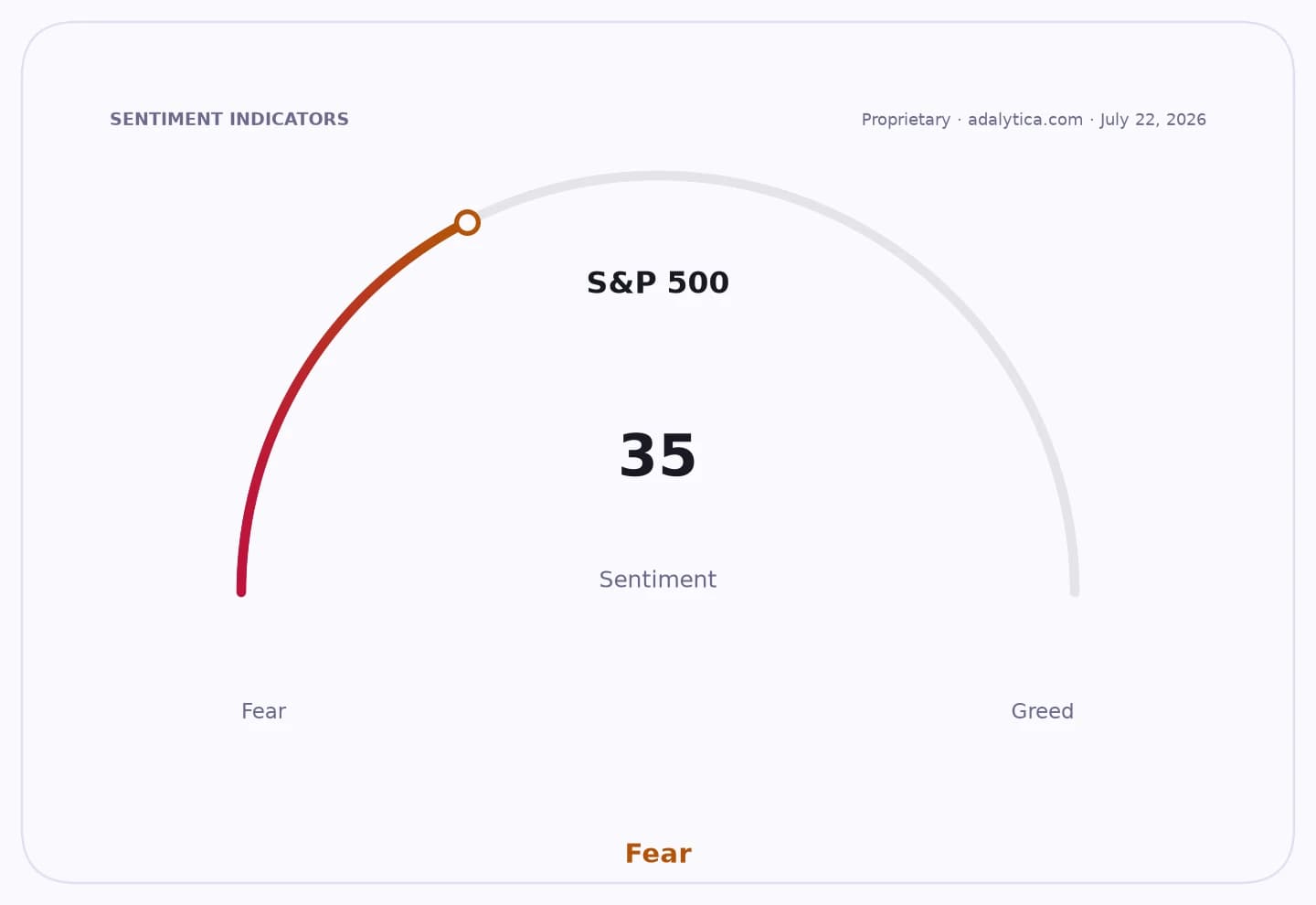
Adalytica.com’s S&P 500 Trade Signals snapshot shows sentiment at 35, or Neutral, with awareness at 61, also Neutral, and sentiment up 15 points from the prior day after a 30-day decline. That combination suggests traders have not turned euphoric, even as the index has reclaimed key levels, which can keep options demand active and preserve the appeal of systematic call overwriting.
For investors, the key trade-off is unchanged: lower strikes can mean more frequent assignment and lower foregone upside, but they also support cash generation and capital turnover. If SPY holds above the 50-day moving average and continues to grind higher, covered-call sellers may keep leaning into tighter strikes; if the ETF slips back below that level, the economics shift toward more protection and less aggressive premium harvesting.
The next catalyst is the market’s ability to sustain the rebound into the next macro data and earnings-heavy stretch, which will determine whether SPY keeps offering a clean premium-selling range or starts to look stretched again.
| Entity | Gains | Losses |
|---|---|---|
| Covered-call sellers | ▲Higher delta, faster premium capture | ▼Some upside beyond strike |
| SPY longs | ▲Capital return if shares are called away | ▼Foregone upside on strong rally |
| Option buyers | ▲More accessible call strikes | ▼Less time value if volatility stays calm |
| Passive S&P 500 holders | ▲Index near technical support | ▼Greater chance of covered-call supply capping gains |