Geopolitical tensions are doing more than rattling headlines — they are forcing investors to rethink the short-term market backdrop as the S&P 500 ETF slides and volatility jumps.
SPY falls to 729.46 as VIX rises to 20.66
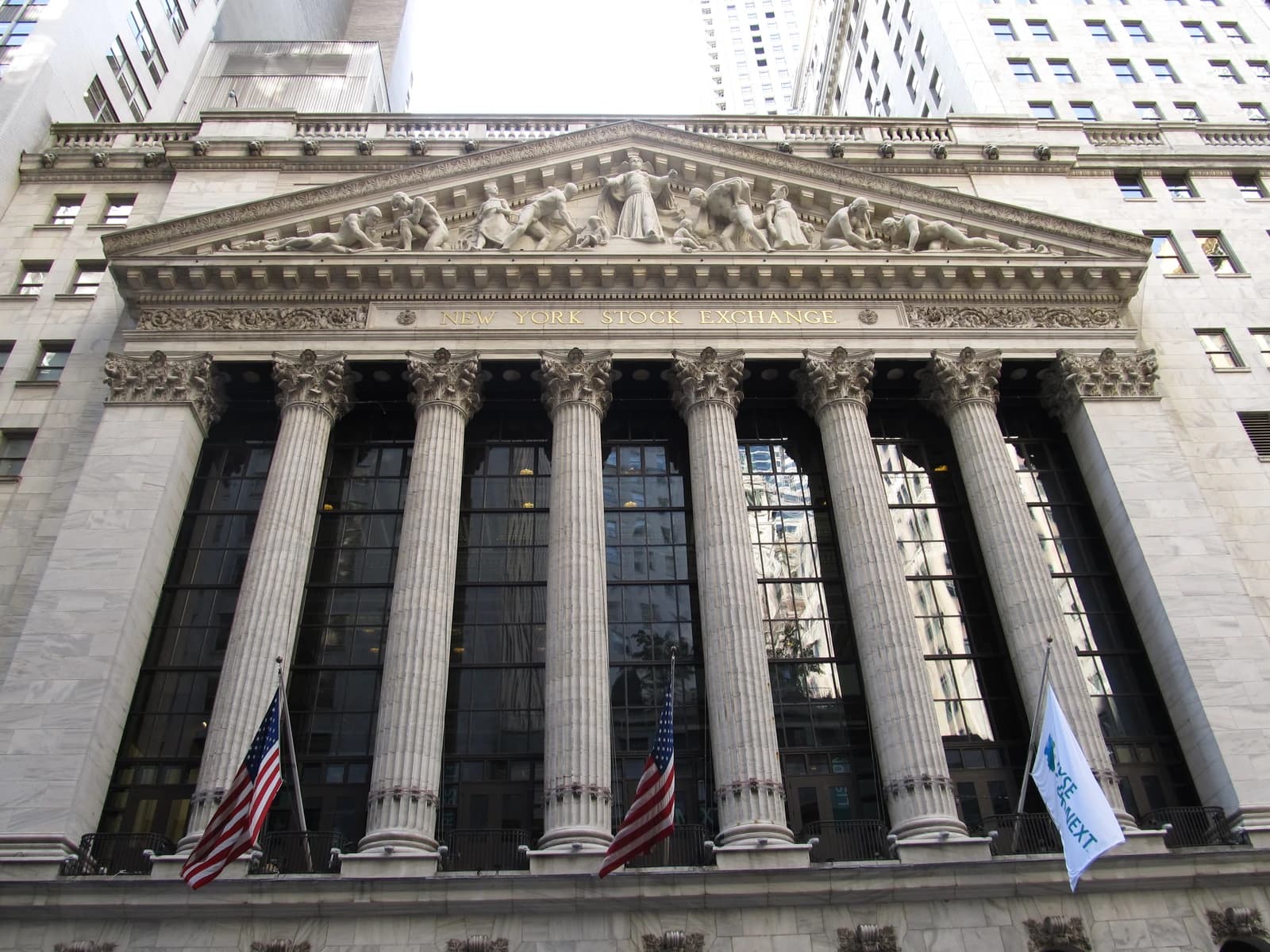
The SPDR S&P 500 ETF Trust, a proxy for the broad U.S. stock market, fell to $729.46 on July 29 from $740.86 a day earlier, while the Cboe Volatility Index jumped to 20.66 from 18.21. That kind of move matters because it shows investors are paying up for protection just as risk appetite is already fragile. The broader message is simple: when geopolitical stress rises, equity valuations usually lose support, and the market’s most crowded winners can get hit hardest.
Sentiment IndicatorsⓘProprietary · adalytica.com · July 30, 2026
This is a snapshot — live sentiment, awareness and momentum for 130+ markets update continuously in the dashboard.Open AlphaPulse

Oil is part of that story. The U.S. Oil Fund rose to $129.31, extending a sharp rebound that has helped revive inflation worries and complicate the case for higher multiples. Rising energy prices can squeeze margins for transport, consumer and industrial companies, while also making it harder for the Federal Reserve to ease financial conditions if growth softens. For investors, that means geopolitics can quickly become an earnings story, not just a headline risk.
The technical picture on SPY reflects the pressure. The ETF remains below its 50-day moving average of 743.82, and the relative strength index has dropped to 30.7, which is near oversold territory. In plain English, sellers are in control for now, even if the pullback may eventually create a better entry point for long-term buyers. Volatility is often the tax investors pay for owning the market through periods of uncertainty.
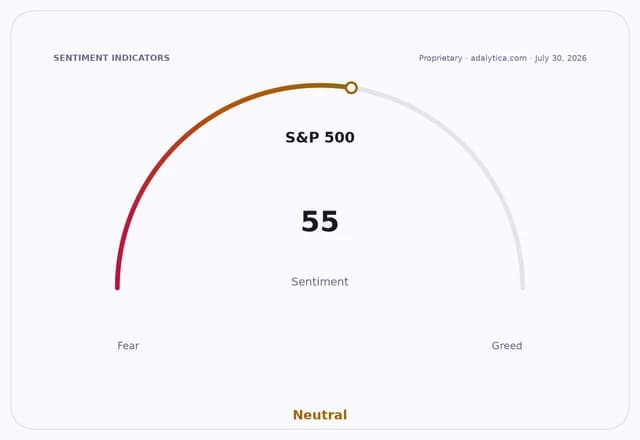
The broader market backdrop is consistent with a classic de-risking trade. Fear has returned to equities, and the latest move has been powerful enough to tug at the main benchmarks rather than just the obvious geopolitical beneficiaries. That can leave investors with a familiar choice: chase the panic, or use it to build positions in strong businesses and broad index funds at more reasonable prices.
For long-term investors, the key question is not whether tensions flare again — history says they will — but whether the underlying earnings engine of corporate America remains intact. If it does, episodes like this tend to be buying opportunities, especially for patient investors with diversified portfolios.
| Entity | Gains | Losses |
|---|---|---|
| Oil producers | ▲Higher crude prices | ▼Consumers, airlines |
| VIX traders | ▲Higher volatility | ▼Equity bulls |
| Defensive sectors | ▲Relative demand | ▼Cyclical stocks |
| Long-term index buyers | ▲Lower entry prices | ▼Near-term momentum traders |




