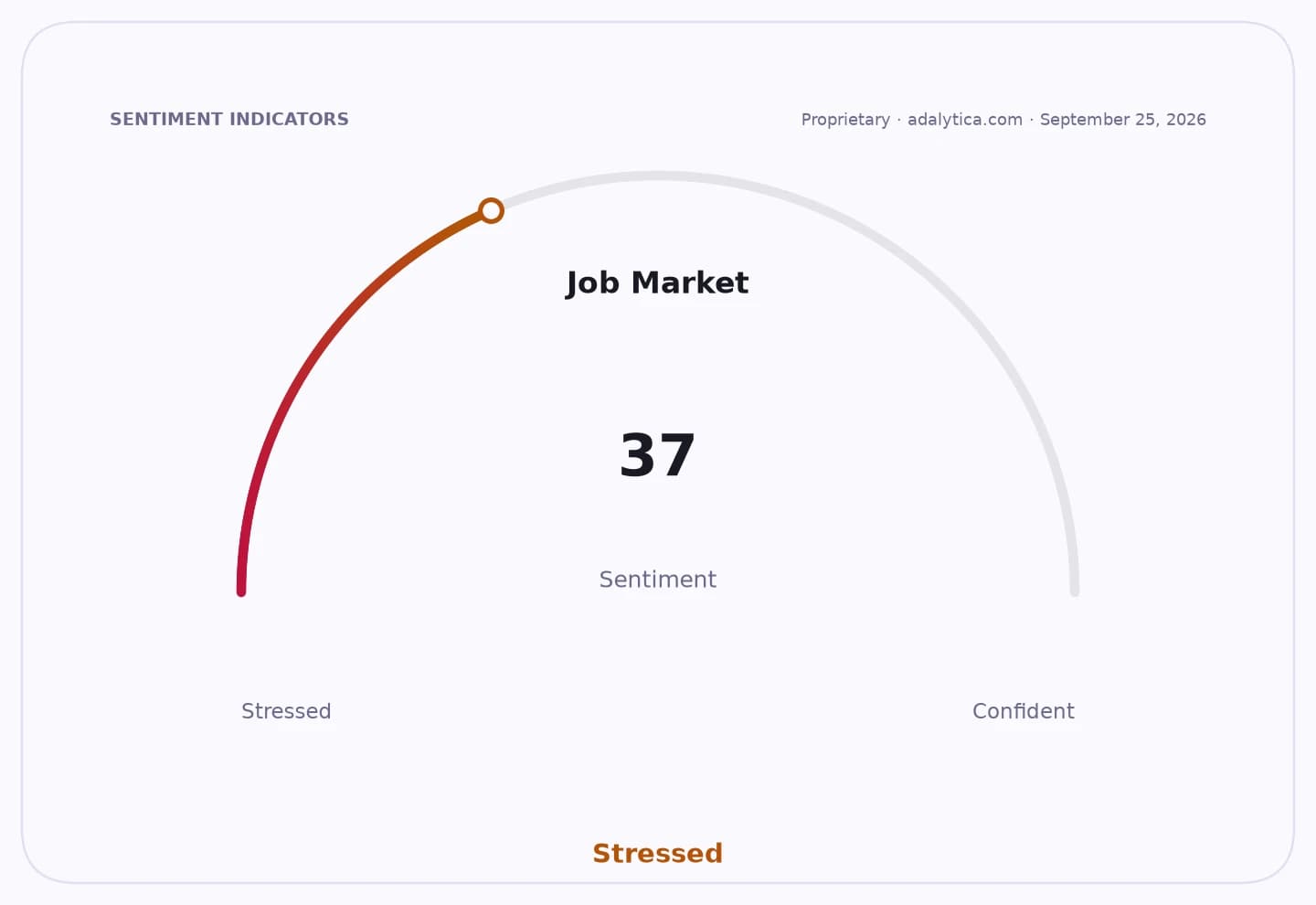
Sri Lanka’s central bank is signaling that the latest rate hike is working, with domestic demand cooling and inflation expected to drift back toward its 5% target, a sign policymakers are trying to lock in disinflation without choking the recovery.
Sri Lanka Signals Pause as Inflation Cools
That matters because higher borrowing costs are now doing part of the inflation fight for the Central Bank of Sri Lanka, reducing pressure on prices even as the economy remains fragile. With policy rates already held at 8.75%, the bank appears to be betting that tighter financial conditions will be enough to bring inflation back in line without another aggressive move.
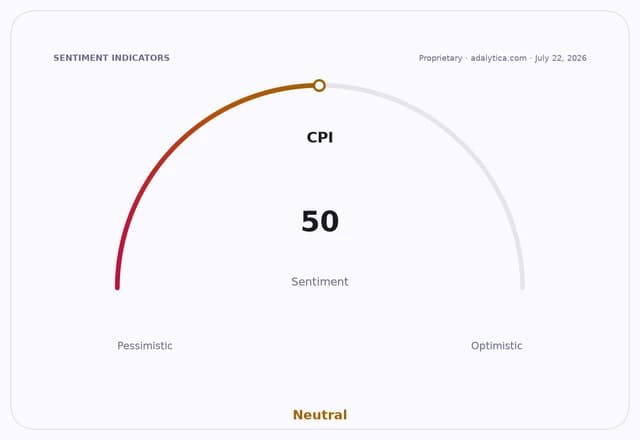
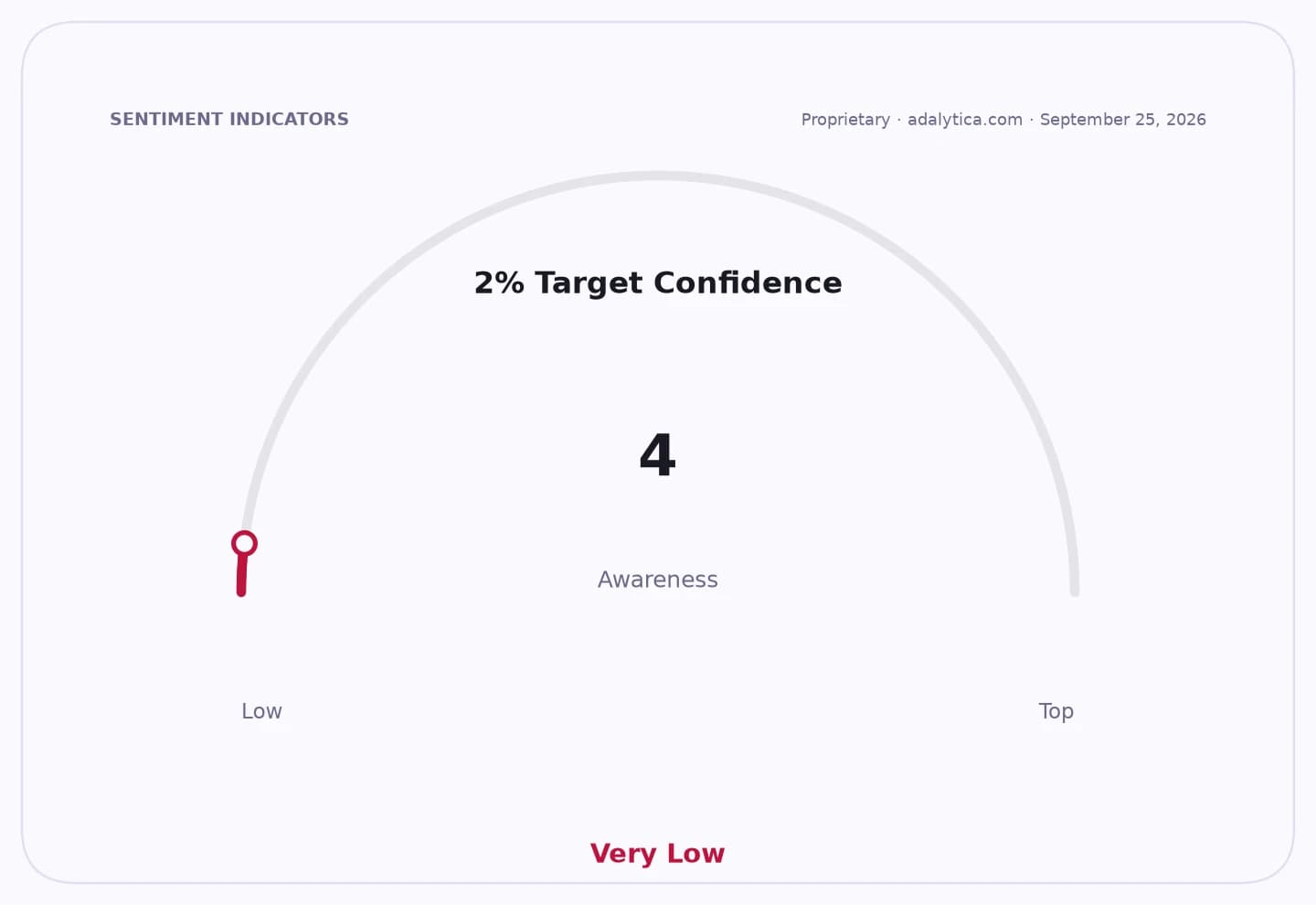
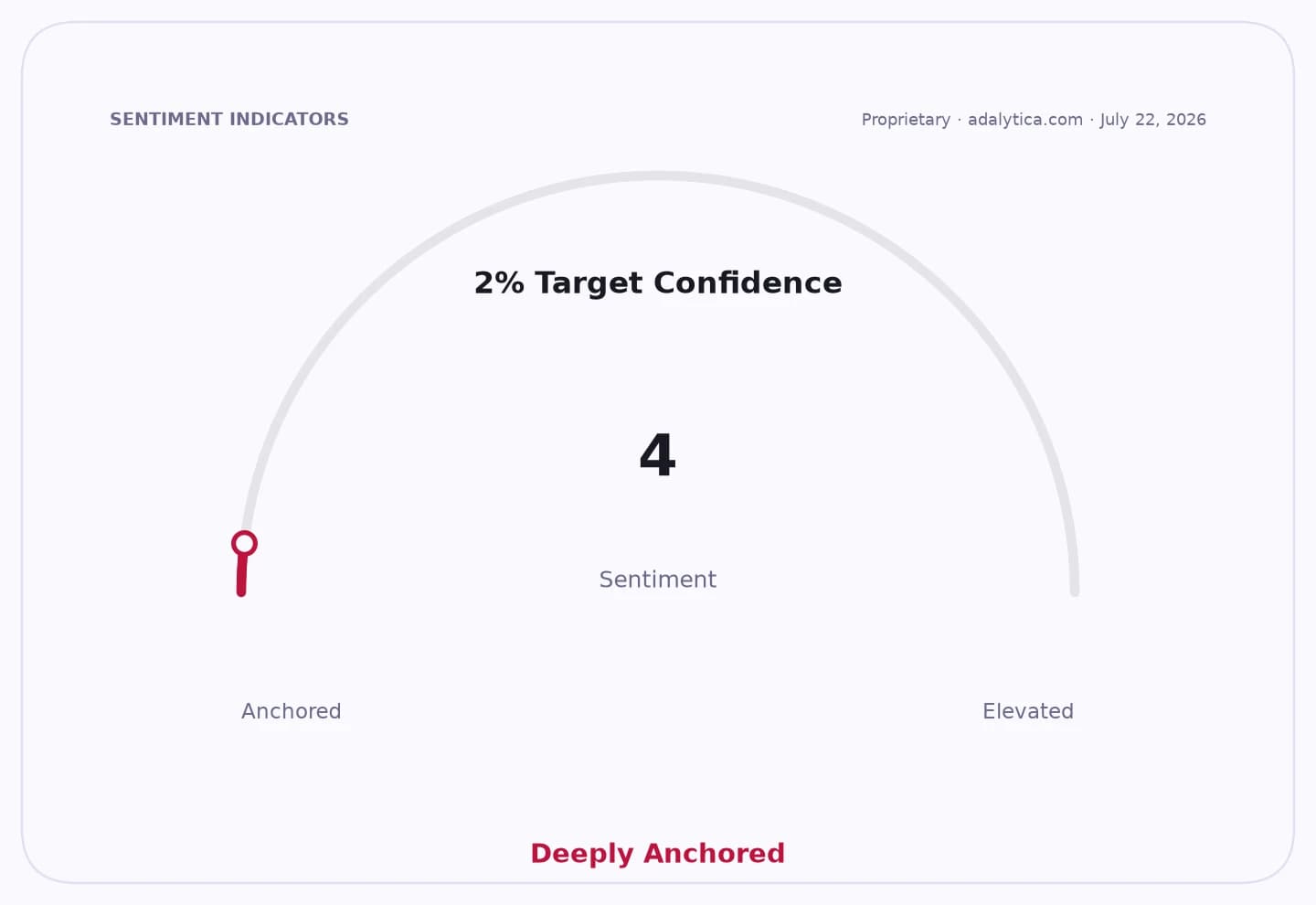
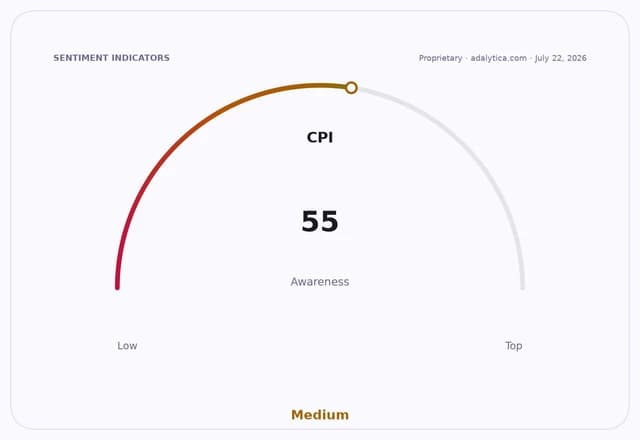
The broader macro backdrop is mixed. CPI data in the context show inflation still elevated versus pre-crisis levels, but recent monthly readings have been softening, while market-based inflation gauges and sentiment around the Fed’s 2% target point to a more cautious global rate environment. For Sri Lanka, that raises the stakes for domestic credibility: if inflation settles near 5%, the central bank gains room to support growth later; if it does not, policy makers may have to keep conditions tight for longer.
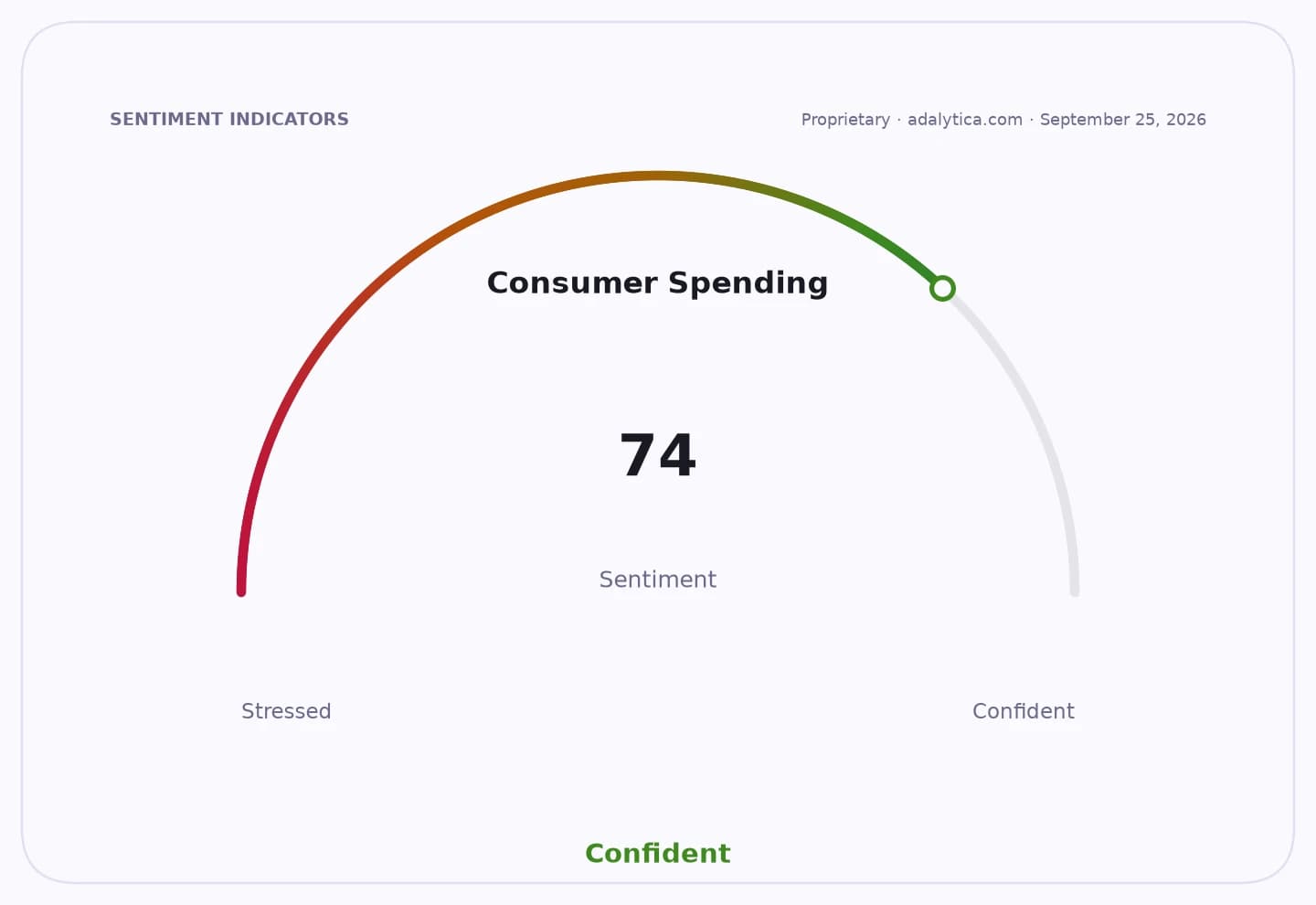
Investors will read the message as a signal that the worst of the price shock may be passing, but also that credit growth, consumer spending and rate-sensitive sectors could stay under pressure in the near term. That is especially relevant for local banks, retailers and leveraged borrowers, which benefit from lower inflation but suffer when real demand cools and financing costs stay elevated.
2% Target Confidence vs USDLKR=Xadalytica.com
Explore this data interactively — full history, time series and cross-market comparisons.Open AlphaPulse
The currency backdrop is still a key watchpoint. The Sri Lankan rupee has been under pressure in recent months, and any renewed inflation flare-up or policy credibility slip could quickly feed into import costs, debt servicing and foreign investor sentiment.
The next catalyst is whether upcoming inflation prints and policy guidance confirm that demand is slowing enough for the central bank to keep rates steady, or whether weaker growth and stubborn prices force it into a longer hold.
| Entity | Gains | Losses |
|---|---|---|
| Central Bank of Sri Lanka | ▲Inflation progress | ▼Limited policy flexibility |
| Consumers | ▲Slower price increases | ▼Higher borrowing costs |
| Banks | ▲Better margin discipline | ▼Softer loan demand |
| Importers / debtors | ▲Stable inflation outlook | ▼Currency and rate risk |