Sri Lanka’s poverty rate has climbed back to 16% as inflation and other living-cost pressures have erased gains in household incomes, leaving real earnings below their 2019 level and underscoring the fragility of the recovery.
Sri Lanka Poverty Rate Rises to 16% on Inflation
Consumer Spending
The preliminary census data from the Department of Census and Statistics show a reversal of a decade-long decline in poverty, with the headcount rising from 14.3% in 2019 after falling steadily from 22.5% in 2012/13. The findings matter because they show the economy has yet to translate nominal income growth into restored purchasing power, a gap that keeps demand weak and raises the risk of a longer squeeze on consumption.
Sentiment Indicators
The survey estimates 3.42 million people now live below the poverty line, which has been lifted sharply to Rs. 16,417 per person a month from Rs. 6,966 in 2019. Rural households account for the bulk of the poor at 2.93 million, while the estate sector has the highest poverty incidence at 23%, well above the rural rate of 17.3% and the urban rate of 7.8%.
The clearest signal for investors is the erosion of real household income. While nominal mean household income rose 93.2% to Rs. 120,266, the real mean fell 7.8% from 2019 and the real median dropped 11.1%, indicating that the typical household is worse off even after a sharp rise in cash earnings. Mean monthly expenditure of Rs. 116,191 was only slightly below average income, leaving little room for savings or discretionary spending, while median expenditure still exceeded median income in real terms, pointing to persistent strain in the middle of the distribution.
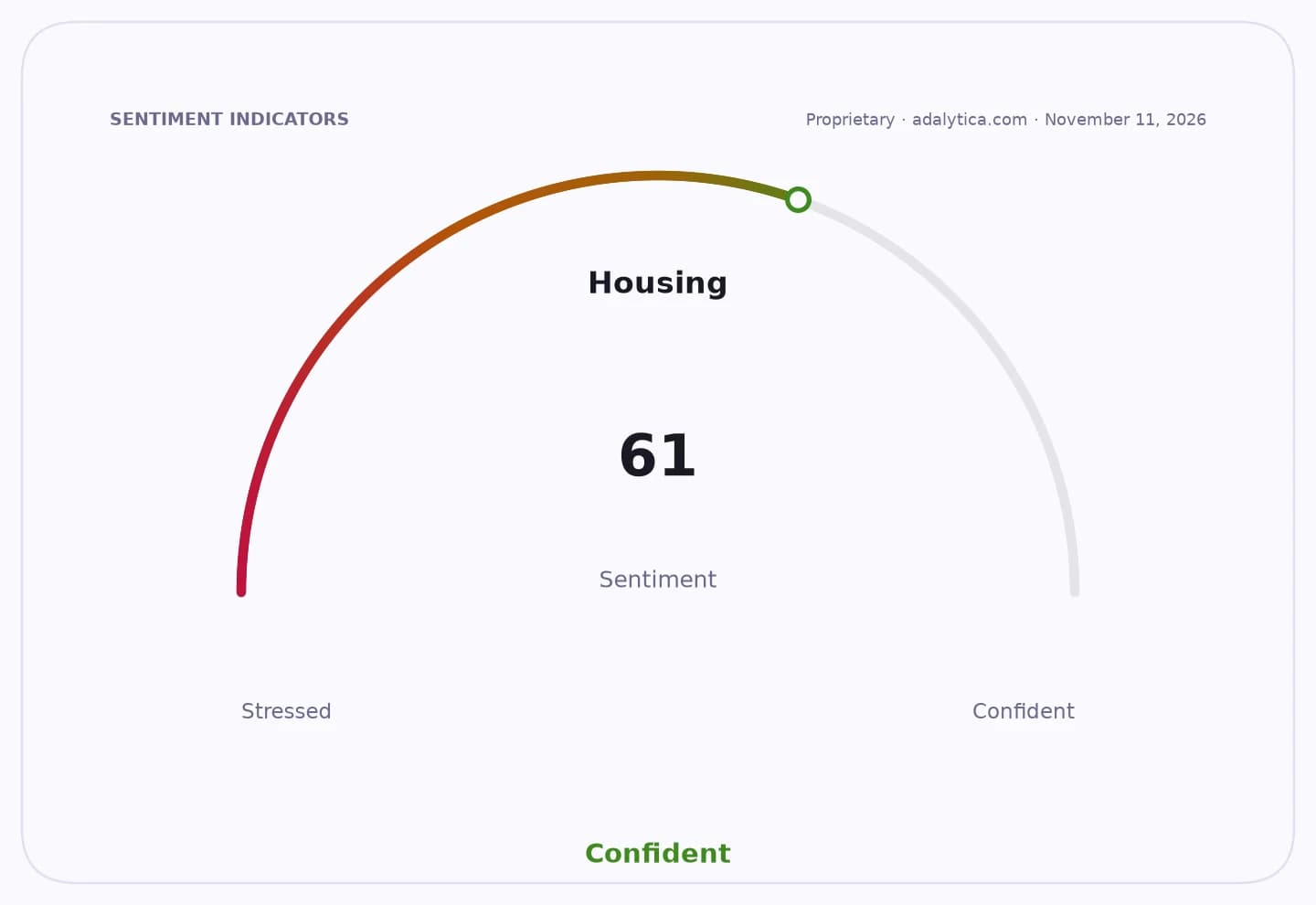
That has direct implications for domestic demand. Consumer-facing businesses are likely to continue seeing a split market, with value retailers, food sellers and essential-goods chains better placed than discretionary names. The broader market backdrop already reflects that tension: consumer sentiment gauges from Adalytica show spending sentiment in neutral territory but with elevated fear, suggesting households remain cautious and sensitive to price increases.
The data also help explain why poverty has proven sticky despite the rebound in nominal incomes. The poorest 20% of households averaged just Rs. 22,612 a month, versus Rs. 335,679 for the richest fifth, a near 15-fold gap that highlights how uneven the recovery has been. Estate households, where incomes averaged Rs. 72,558 a month, remain particularly exposed to food and fuel inflation, and the provisional nature of the urban and estate estimates means the final picture could shift, though not enough to change the overall direction.
For policymakers, the message is that restoring growth alone is not enough if wage gains continue to lag prices. For investors, the key takeaway is that Sri Lanka’s consumer economy is still operating under a real-income ceiling, limiting the pace and breadth of any demand-led upswing until household purchasing power is rebuilt.
| Entity | Gains | Losses |
|---|---|---|
| Essential-goods retailers | ▲Steadier traffic | ▼Discretionary categories |
| Rural and estate households | ▲Targeted support | ▼Purchasing power |
| Policymakers | ▲Clearer poverty data | ▼Policy credibility if inflation persists |
| Consumer staples investors | ▲Defensive demand | ▼Cyclical consumer names |