The British pound is still being quoted at stronger levels in Egyptian banks, and that matters because it is a clear sign that foreign-exchange pressure is easing even as Egypt’s own currency market remains sensitive to capital flows.
Sterling Stability Eases Pressure in Egypt
For investors, the key takeaway is simple: when a currency market stops lurching around, pricing power, funding costs and consumer confidence all become easier to manage. That can be especially important in an economy like Egypt’s, where imported goods, debt service and inflation are all tightly linked to the direction of the pound. A steadier exchange rate also gives local banks and corporates more room to plan, rather than react.
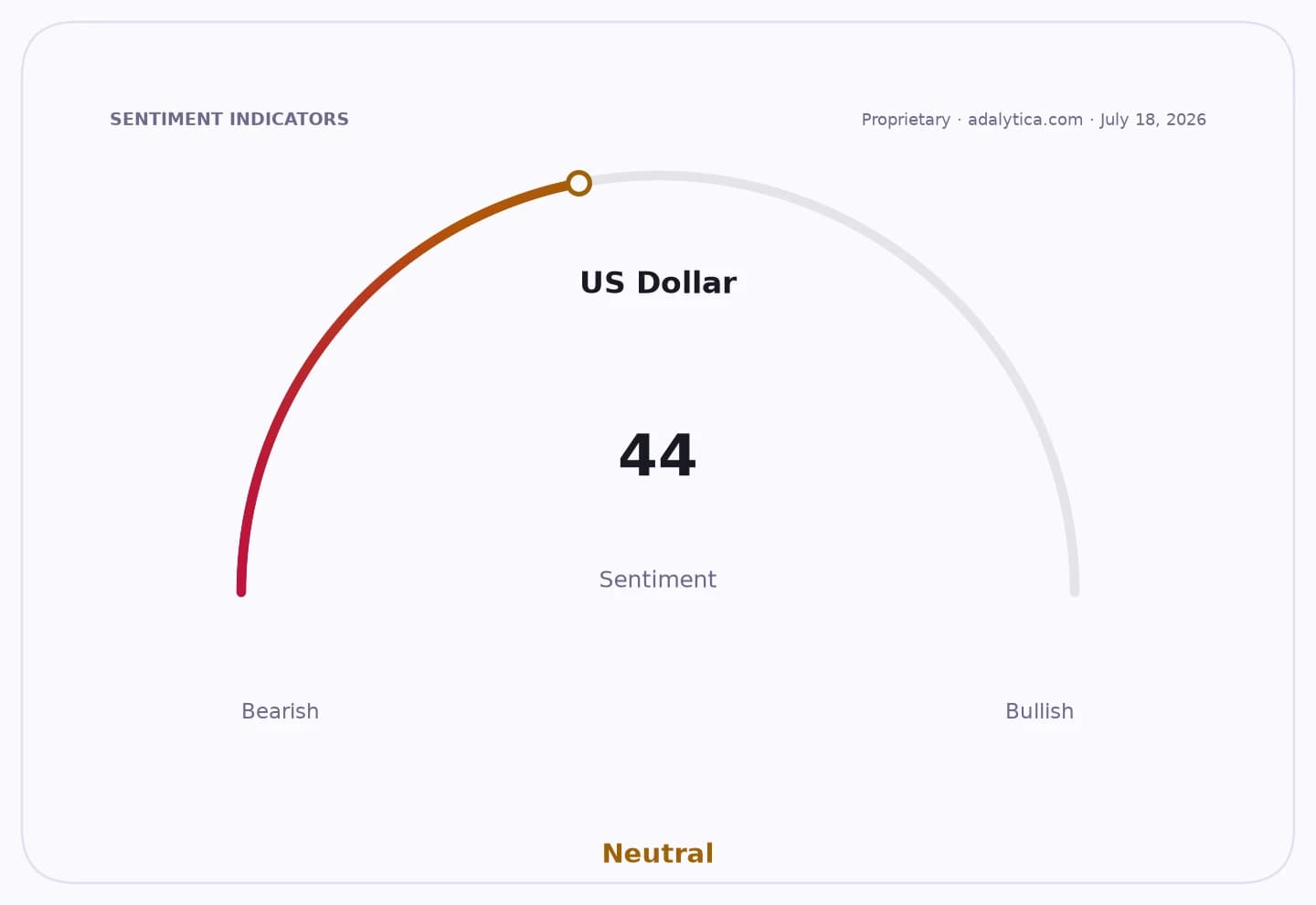
Sentiment IndicatorsⓘProprietary · adalytica.com · July 18, 2026
This is a snapshot — live sentiment, awareness and momentum for 130+ markets update continuously in the dashboard.Open AlphaPulse
The data points to a market that is still firm, not euphoric. GBP/USD has been hovering around 1.35 to 1.36, with the pair trading close to its 50-day moving average and momentum indicators showing a modestly constructive trend rather than a breakout. In other words, the pound has kept its gains without needing a speculative surge to do it. That kind of stability is often more valuable for long-term investors than a sharp, short-lived spike.
The broader backdrop in Egypt helps explain why. The local currency has been supported by renewed foreign inflows, a rising Egyptian stock market and improving risk appetite. When hot money returns, it tends to show up first in the currency market, then in bank pricing and finally in equities and other domestic assets. That sequence is exactly what investors should watch now. It suggests confidence is being rebuilt, even if only gradually.
There is also a second-order effect worth paying attention to: a stronger pound in bank dealings can ease imported inflation and reduce the strain on households and businesses that rely on foreign goods or dollar-linked inputs. For companies, that can mean less volatility in margins. For lenders, it can improve credit quality at the margin. For consumers, it can slow the erosion of purchasing power. Those are not dramatic headlines, but they are the ingredients of a healthier investment environment.
Still, currency stability is not the same thing as a durable trend. Egypt’s market has benefited before from inflows that faded quickly, and the pound’s resilience will ultimately depend on whether capital keeps coming, policy remains credible and the external balance continues to improve. That is why investors should view this as a constructive signal, not a victory lap.
If the pound can hold these levels while foreign inflows continue and local assets remain supported, Egyptian banks and domestic-focused equities could keep benefiting from a more predictable operating backdrop. For patient investors, that makes the currency story worth watching closely — not for a quick trade, but as part of a longer-term recovery thesis.
| Entity | Gains | Losses |
|---|---|---|
| Egyptian banks | ▲Better FX stability | ▼Less urgency to reprice risk |
| Egyptian importers | ▲Lower currency pressure | ▼Weaker pricing power on FX hedges |
| Local consumers | ▲Easier inflation outlook | ▼Fewer gains from a weak-currency windfall |
| Short-term FX volatility traders | ▲Fewer shocks to trade | ▼Less room for big swings |