Croatia’s most expensive shopping cart is a warning that household inflation is proving sticky, and the companies that sell food and staples are still able to pass through higher costs. That matters because groceries are the budget line consumers feel first and cut last, making food inflation one of the clearest gauges of whether Europe’s cost-of-living squeeze is easing or simply normalizing at a higher level.
Sticky Food Inflation Favors Value Retailers

The bigger economic story is not just that basic food is expensive, but that inflation in essential items remains stubborn enough to keep pressure on central banks, wage bargaining and consumer demand. When the monthly basket keeps rising, even modest price increases matter: families are forced to trade down, delay discretionary spending and stretch paychecks harder. That slows real consumption growth, the backbone of most domestic economies, and keeps policymakers wary of easing too quickly.
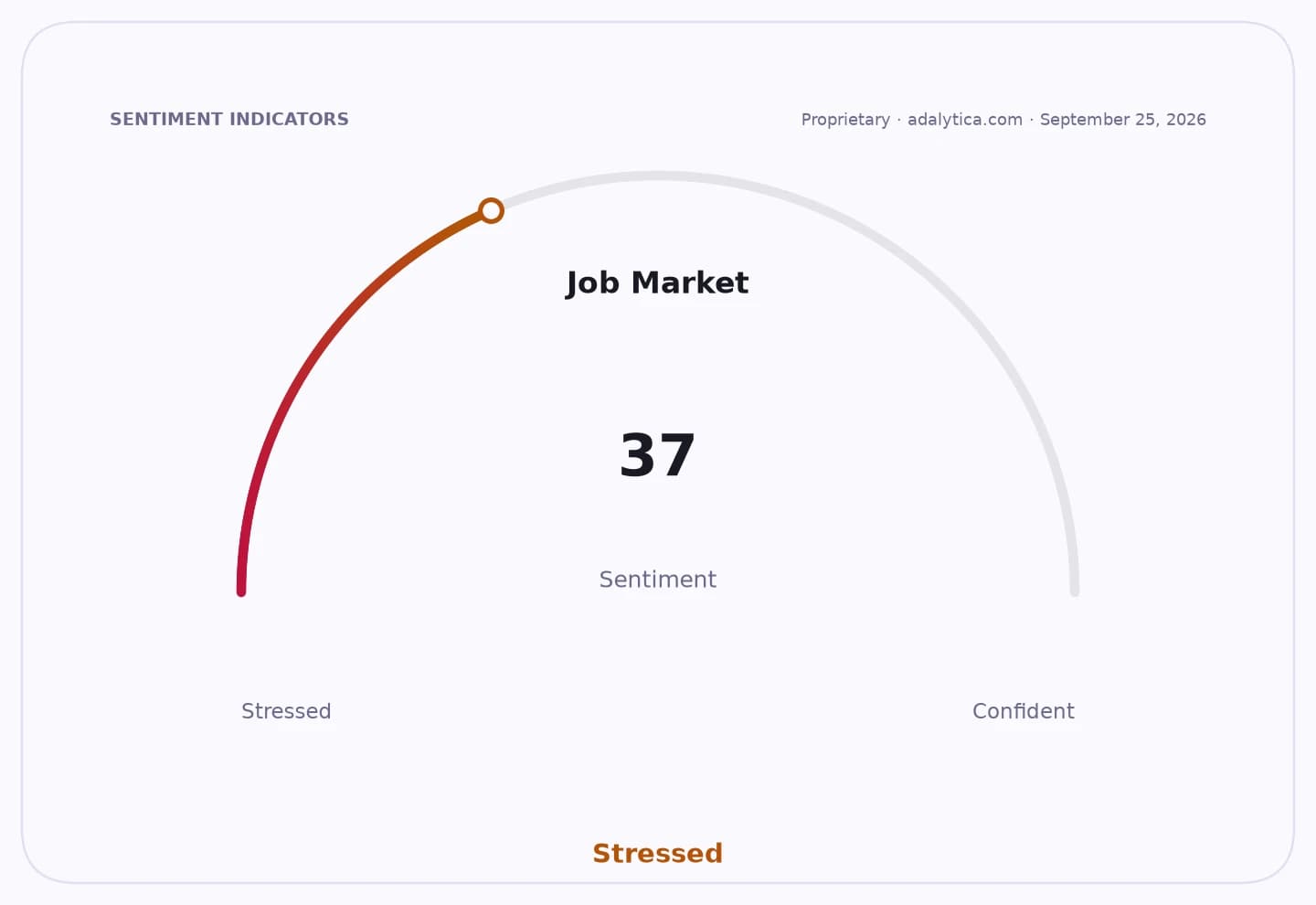
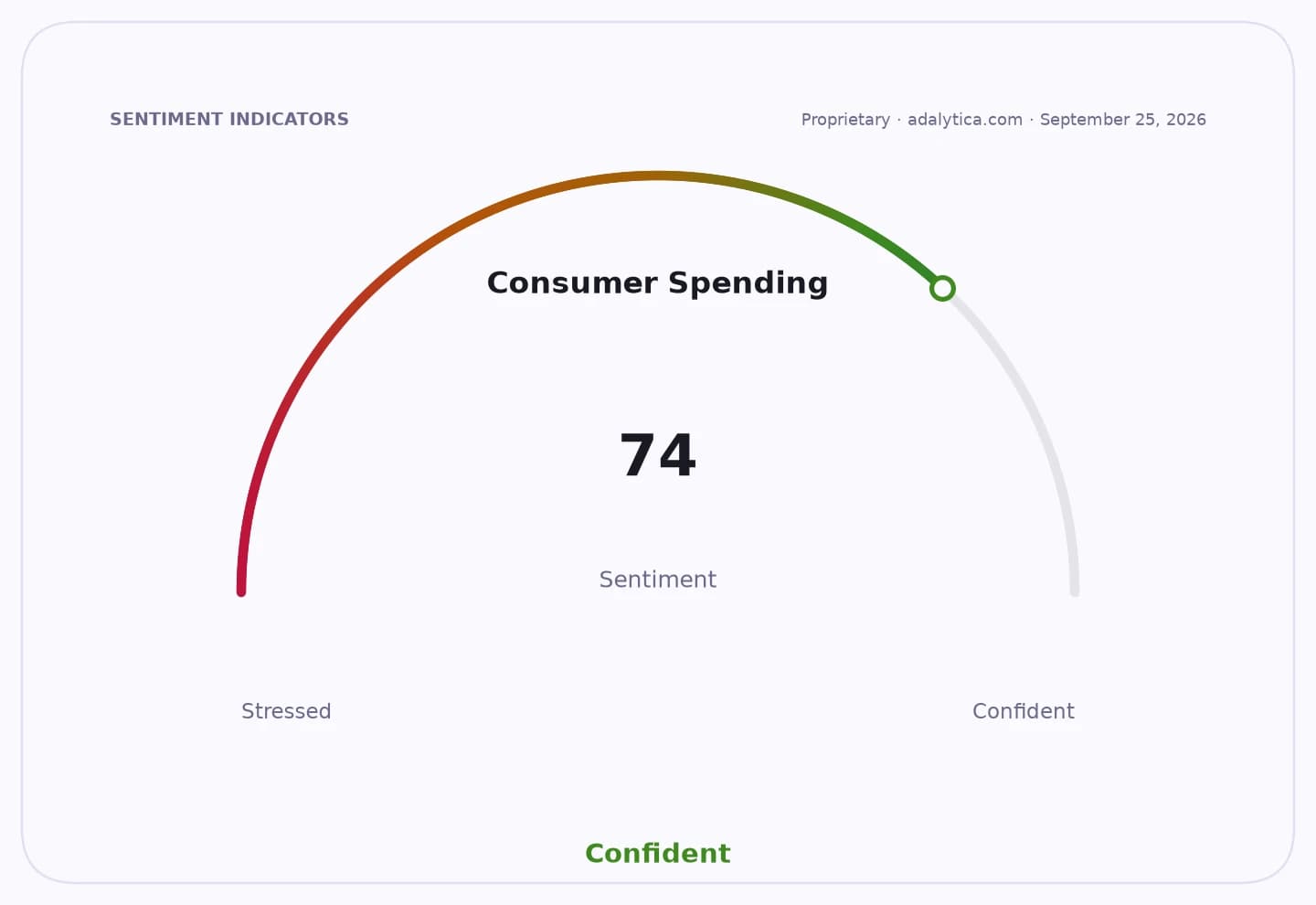
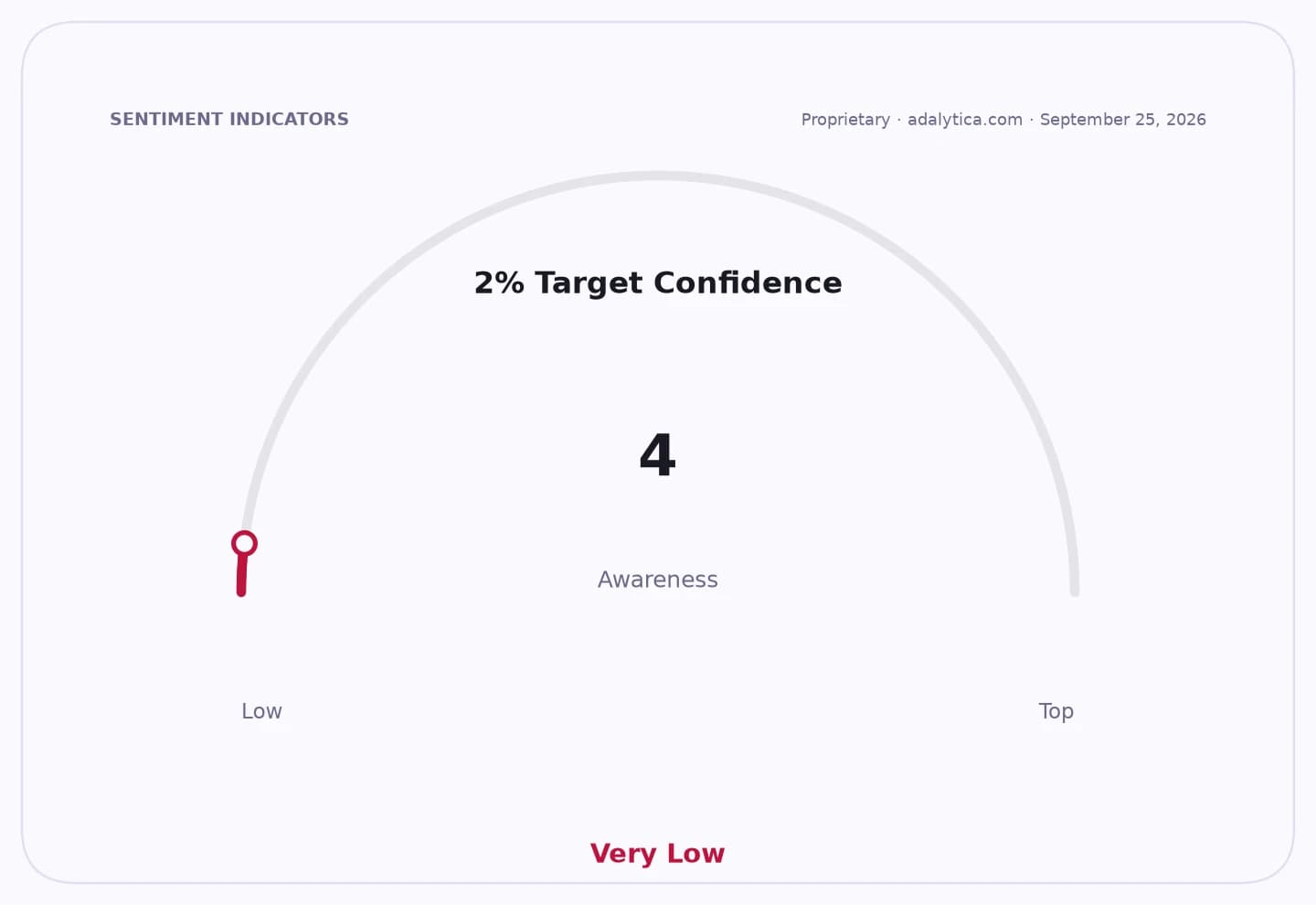
Sentiment IndicatorsⓘProprietary · adalytica.com · July 15, 2026
This is a snapshot — live sentiment, awareness and momentum for 130+ markets update continuously in the dashboard.Open AlphaPulse

The data context points to the same pressure point. The U.S. consumer price index is forecast to rise again in July, while producer prices are also expected to firm, a reminder that cost pressure has not disappeared from the global system. In India, wholesale inflation jumped to 9.87% in June and retail inflation climbed above the central bank’s 4% target, showing how food and fuel can quickly reheat headline inflation and complicate rate-cut expectations. In other words, the Croatian checkout counter is part of a much broader global pattern: inflation is cooling unevenly, and groceries are often the last place it breaks.
For investors, that creates a clear split. Grocery chains, wholesalers and branded food suppliers can protect revenue better than most sectors when prices are rising, but volume growth is harder to find and political scrutiny increases as consumers complain about “everything is expensive.” That is why the market should be watching food retailers and low-cost operators, not just as defensive plays, but as businesses sitting at the center of pricing power, margin management and consumer downgrading.

That tension is visible in the equity tape. Costco has pulled back from its highs and is trading below its 50-day average, while Walmart has also slipped sharply from recent peaks. Kroger has weakened as well, even though staples demand tends to hold up in inflationary periods. The market is signaling concern that consumers are reaching their limit, but that may be exactly why the best opportunity is emerging in the strongest operators: the retailers with scale, supply-chain leverage and membership or private-label ecosystems that can keep winning as shoppers hunt for value.
My thesis is simple: the expensive grocery cart is not a one-off complaint, it is a durable investing theme. Sticky food inflation favors the best-run discounters, warehouse clubs and staple suppliers, while punishing weaker grocers and any business reliant on discretionary spending. If inflation stays elevated in essentials, the winners will be the firms that can turn necessity into recurring traffic and pricing power into sustained cash flow.
The next catalyst is whether inflation data keeps forcing central banks to stay cautious. If it does, consumers will remain under pressure and value-focused retailers should keep taking share. This is where investors should be positioned early: own the operators that sell the basket everyone has to buy, not the businesses that depend on consumers feeling rich.
| Entity | Gains | Losses |
|---|---|---|
| Discounters and warehouse clubs | ▲Traffic from value shoppers | ▼Margin pressure from price competition |
| Branded food suppliers | ▲Pricing power on staples | ▼Volume risk as shoppers trade down |
| Households | ▲— | ▼Higher cost of living |
| Weak discretionary retailers | ▲— | ▼Softer spending and downtrading |