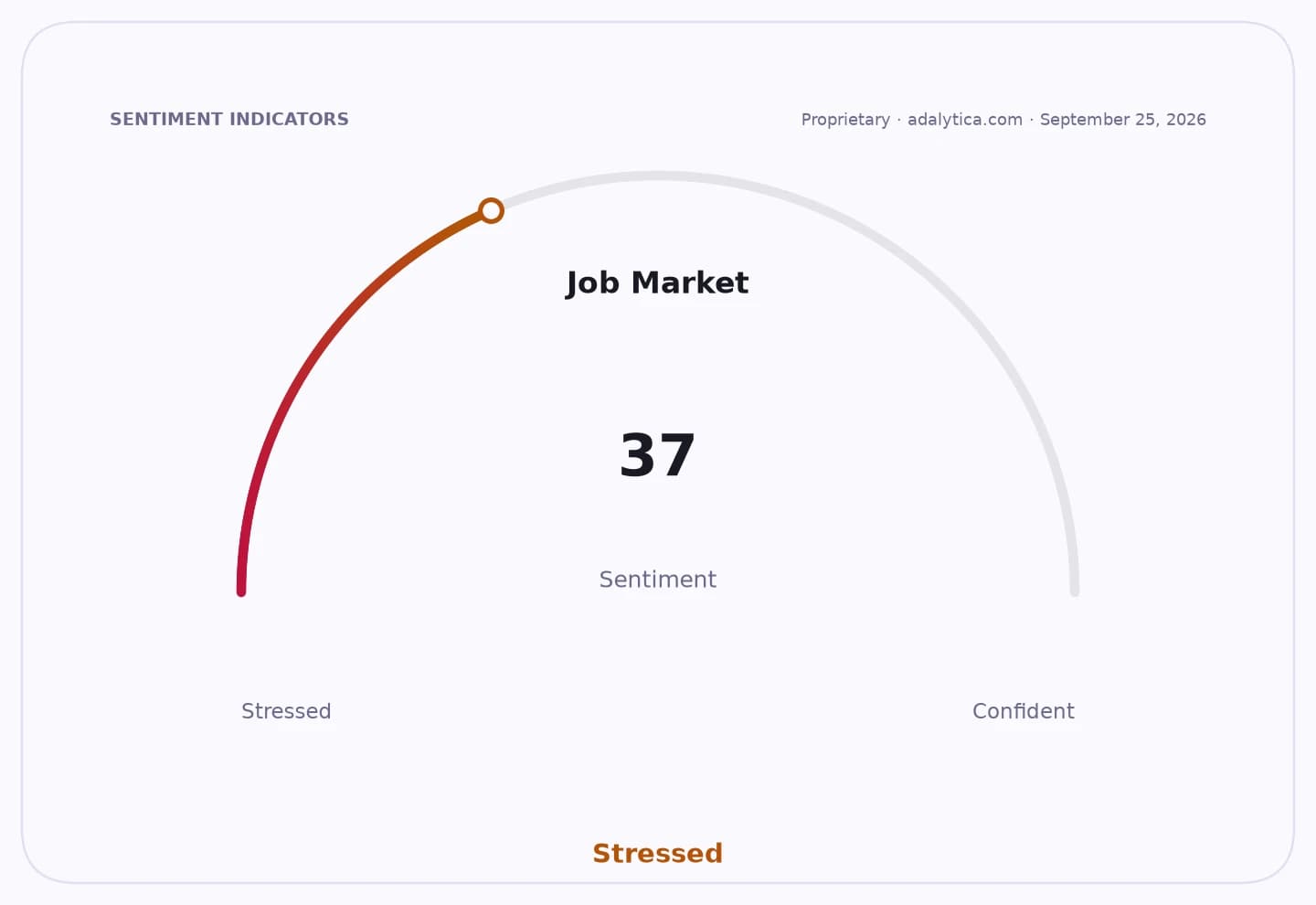
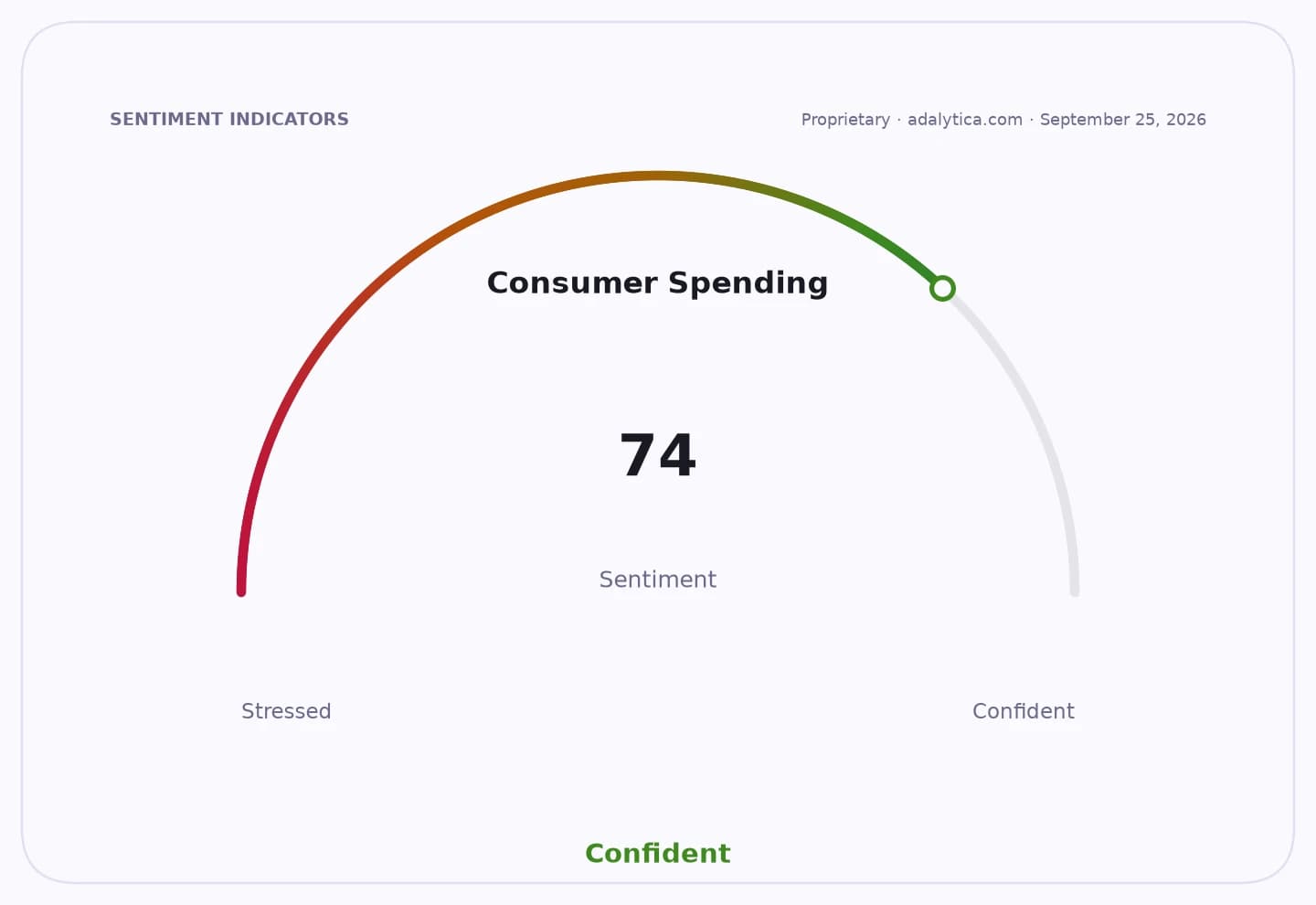
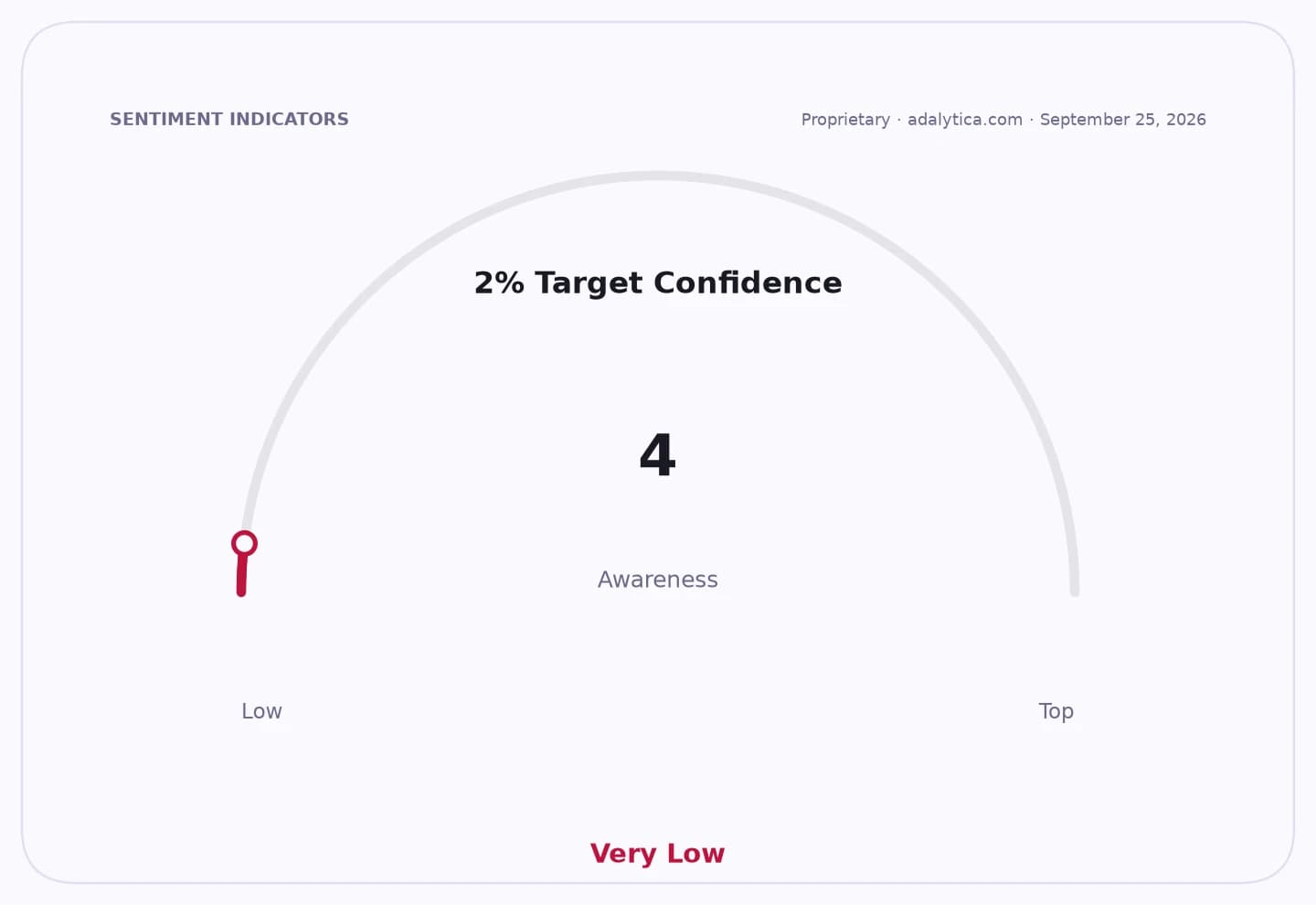
Brian Moynihan is warning that inflation could keep the Federal Reserve on a tighter footing for longer, reinforcing the risk that markets are underpricing the need for more rate hikes even after a recent slowdown in price gains.
Sticky Inflation Keeps Fed Tight Longer
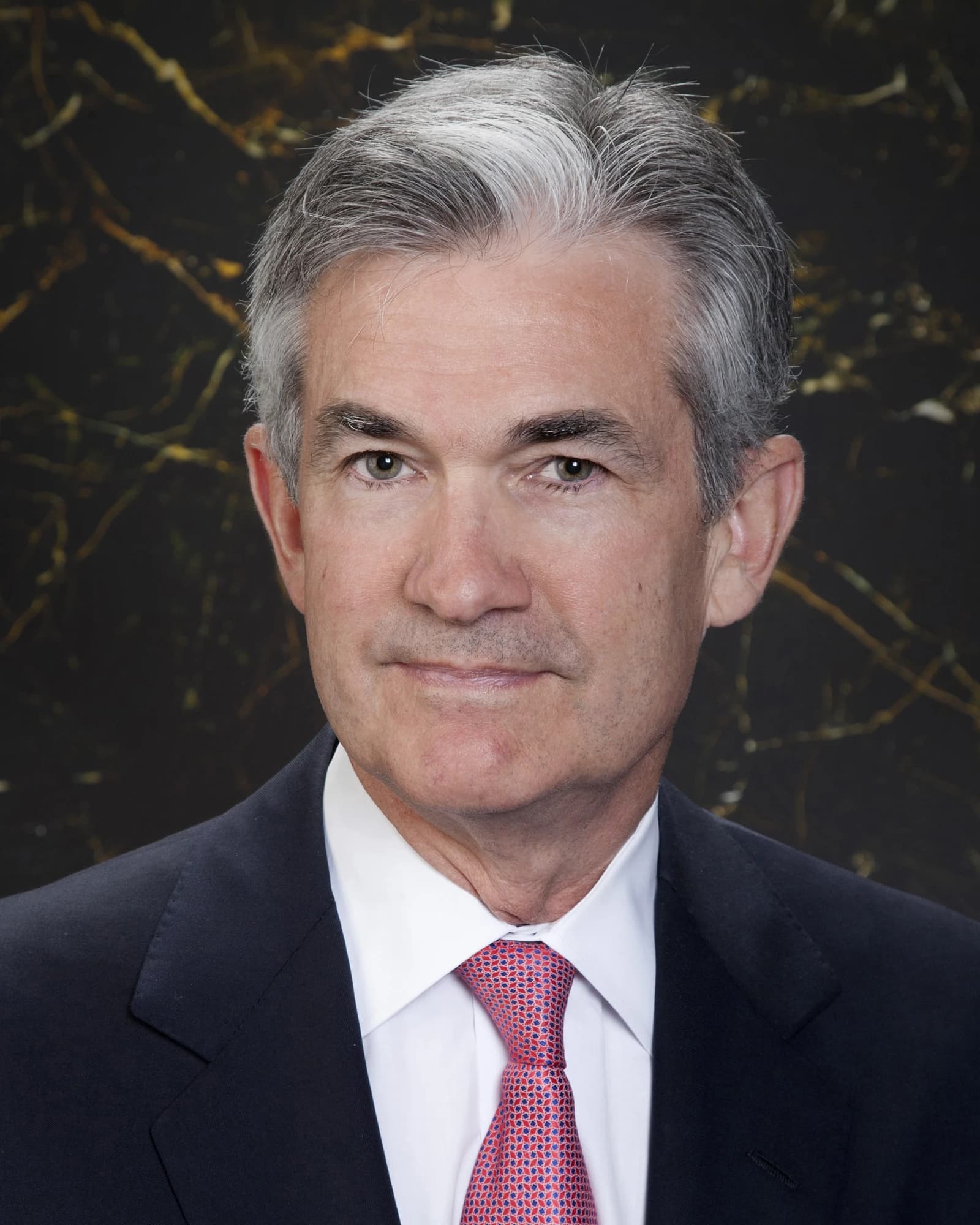
The Bank of America chief’s warning matters because the policy path still hinges on whether June’s softer CPI is the start of a trend or just a pause. Inflation rose 3.5% year over year in the latest reading while the Fed funds rate sits around 3.63%, leaving policymakers room to stay restrictive if price pressures reaccelerate.
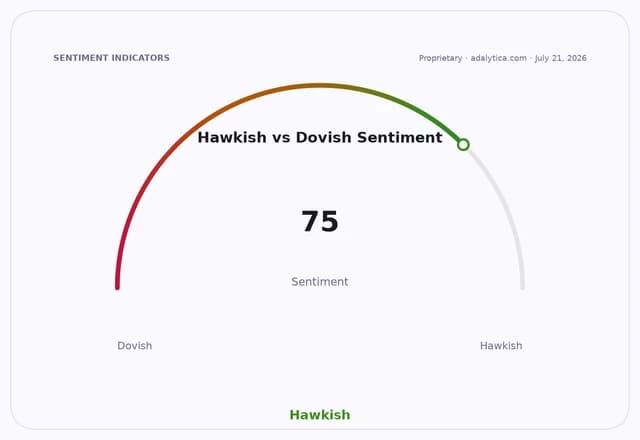
Sentiment IndicatorsⓘProprietary · adalytica.com · July 21, 2026
This is a snapshot — live sentiment, awareness and momentum for 130+ markets update continuously in the dashboard.Open AlphaPulse
That backdrop is already showing up in rate markets. The 10-year Treasury yield is trading around 4.55%, while traders in bonds are still showing extreme fear, according to Adalytica’s TLT gauge, suggesting investors remain wary of renewed upward pressure on yields if the Fed signals more tightening.
For banks, a hotter-for-longer rate path cuts both ways. Higher long-end yields can support net interest income, and Bank of America’s own filing says an increase of more than 200 basis points in long-end rates would likely modestly reduce prepayments and lift net interest income, but it also risks squeezing credit quality and weakening borrower demand if financing costs rise further.
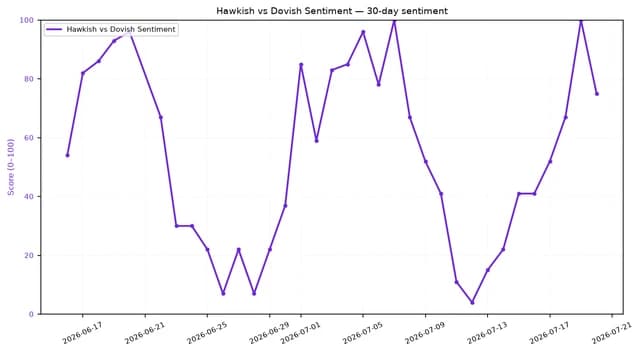
Bank stocks are already priced for a sturdier rate environment. Bank of America shares closed at $60.42 on July 20, above both the 50-day and 200-day moving averages, while the Financial Select Sector SPDR Fund and the SPDR S&P Regional Banking ETF have also been trending higher, underscoring investor confidence that rates may stay supportive for lenders even as inflation remains sticky.
The bigger narrative is that the Fed’s next move is being dictated less by one benign inflation print than by whether officials believe the disinflation trend is durable. If CPI firm again, rate-cut bets could be pushed out further and another hike would move back onto the table, keeping pressure on bond prices and extending the relative advantage for banks over rate-sensitive sectors.
| Entity | Gains | Losses |
|---|---|---|
| Banks | ▲Wider net interest income | ▼Credit risk if borrowing costs climb |
| Bondholders | ▲None | ▼Lower bond prices from higher yields |
| Fed hawks | ▲Stronger case for tightening | ▼Softer case if inflation cools |
| Borrowers | ▲None | ▼Higher financing and mortgage costs |