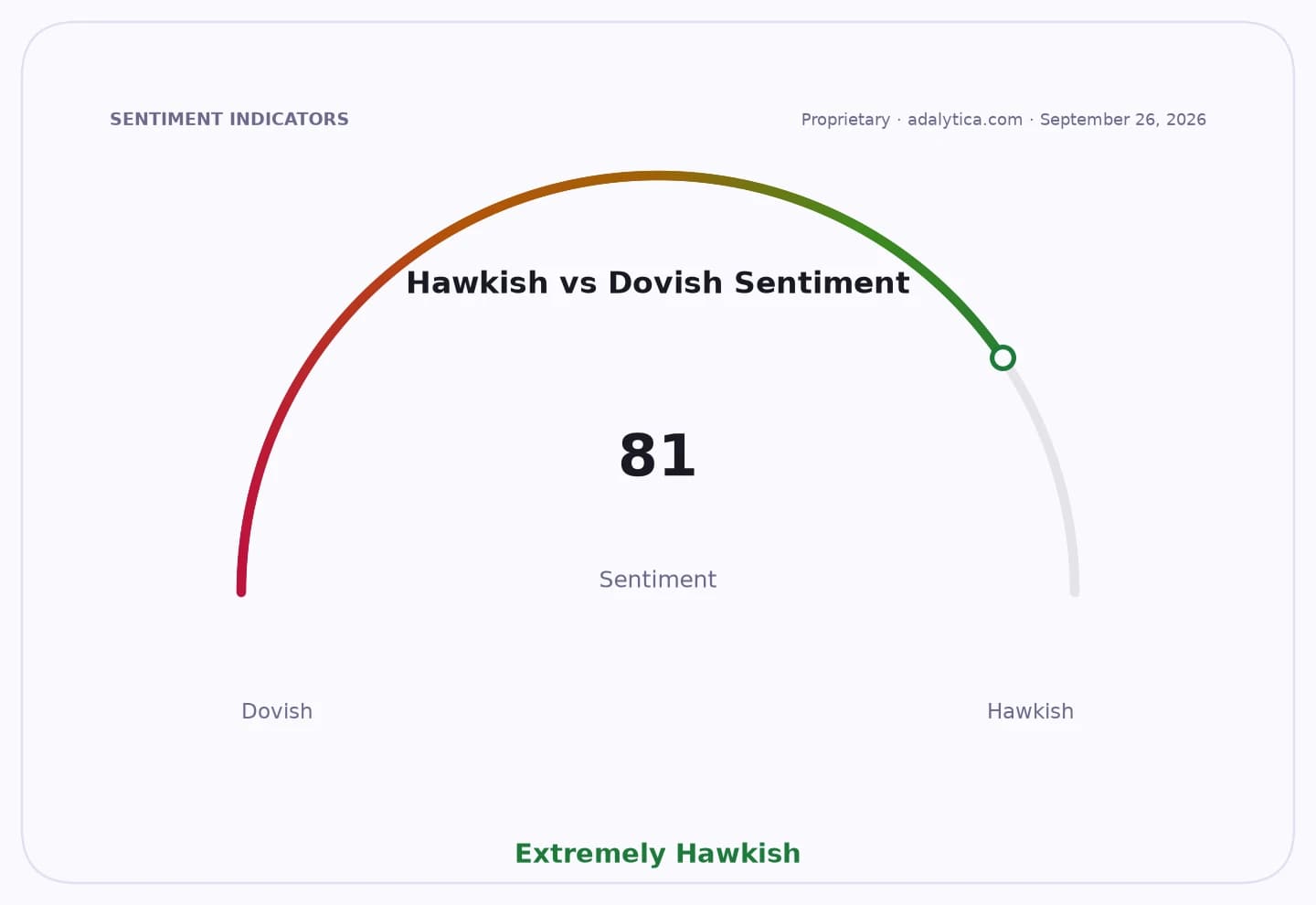
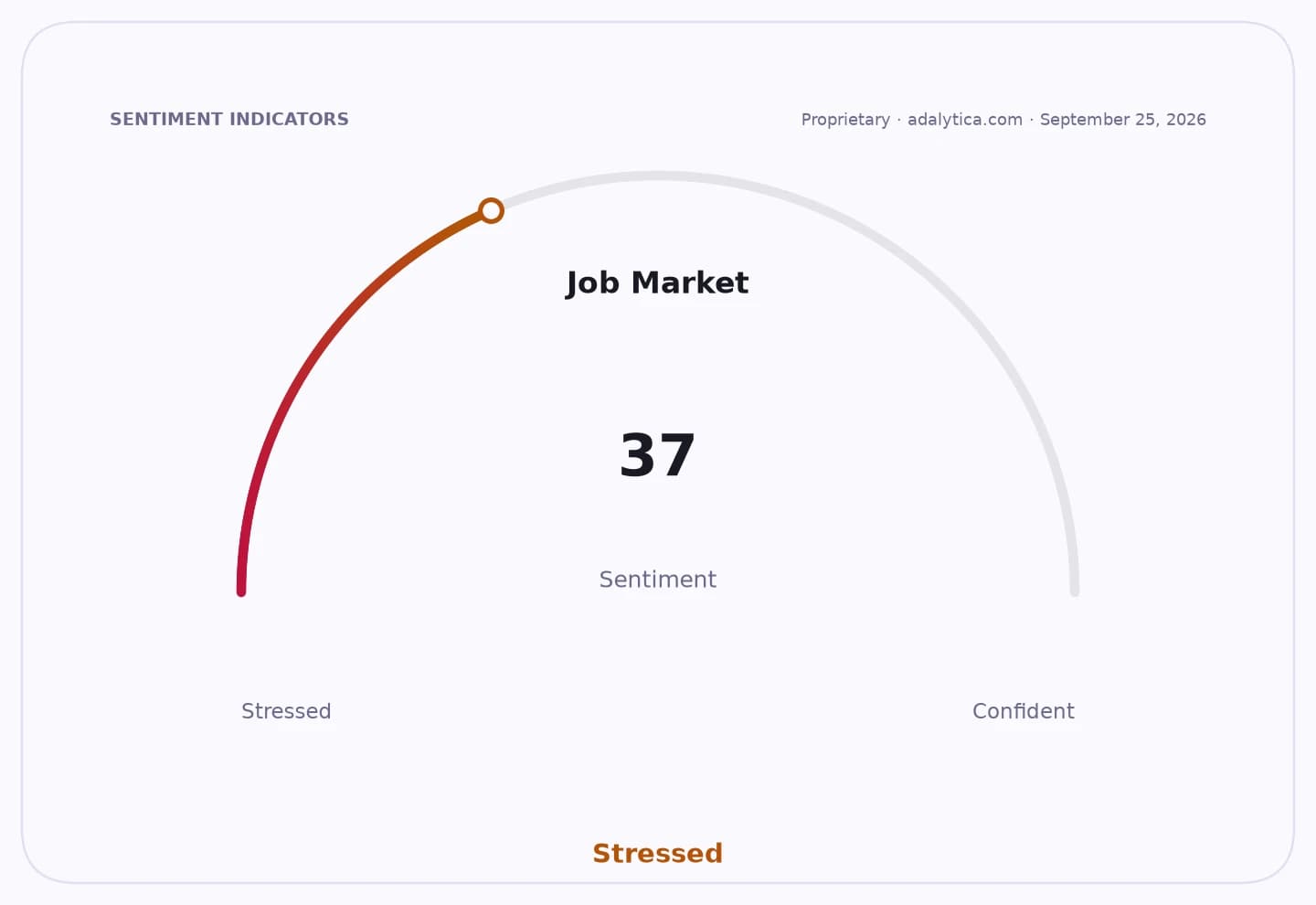
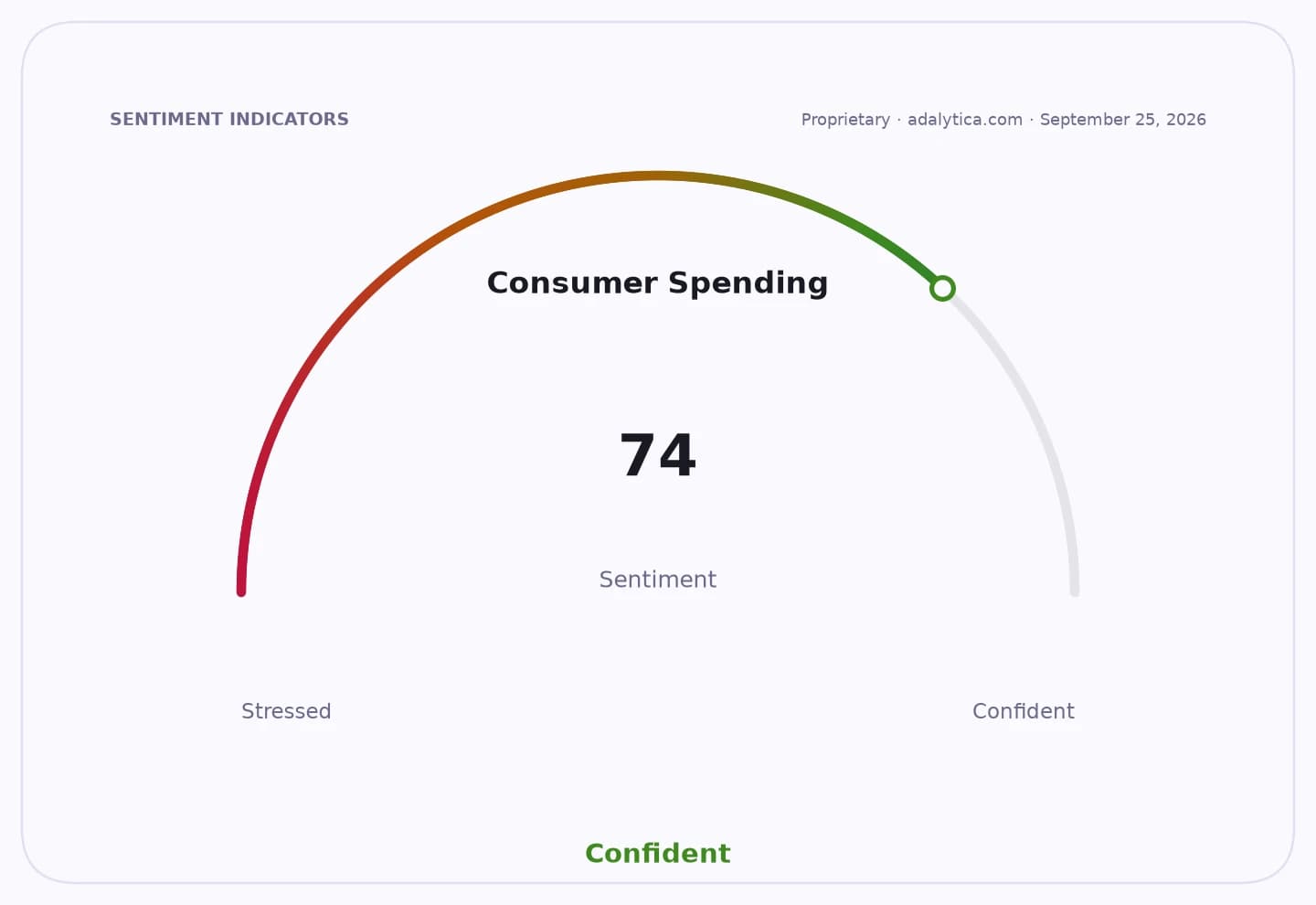
Global inflation is heating back up just as growth slows, sharpening the dilemma for central banks and investors ahead of the next round of policy decisions.
Sticky Inflation Pressures Rate-Sensitive Assets

A new survey framing “World Cup inflation” as a live risk points to a broad pickup in price pressures at a time when policymakers were hoping inflation would keep easing. The latest U.S. Consumer Price Index is forecast to rise 0.89% in July, while the Producer Price Index is seen climbing 3.14%, signaling that higher costs are still filtering through the economy.
Sentiment IndicatorsⓘProprietary · adalytica.com · July 19, 2026
This is a snapshot — live sentiment, awareness and momentum for 130+ markets update continuously in the dashboard.Open AlphaPulse

That matters because inflation is no longer just a backward-looking problem. In the U.S., the 10-year Treasury yield has held around 4.56%, showing bond investors are still demanding compensation for sticky price pressures and the possibility that rates stay elevated for longer. For households and companies, that means borrowing costs remain high and real spending power stays under pressure.
The risk is more pronounced outside the U.S. Europe is losing momentum even as inflation accelerates again, while Australia is wrestling with the possibility that higher rates could tip the economy into recession. Central banks from the Federal Reserve to smaller regional lenders are being forced to choose between protecting growth and preventing a second inflation wave.
CPIAUCSL vs PPIACO — macro contextadalytica.com
Explore this data interactively — full history, time series and cross-market comparisons.Open AlphaPulse
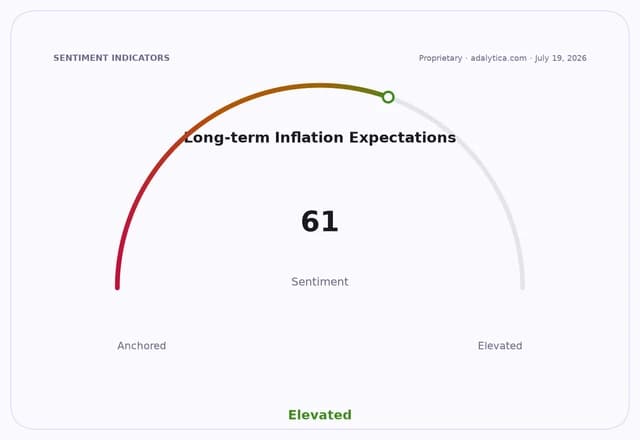
Markets have already been sensitive to that trade-off. The SPDR S&P 500 ETF Trust has traded back and forth near its 50-day moving average, reflecting a market that is still constructive but less comfortable with higher-for-longer policy. Rising inflation expectations also tend to support defensives and commodity exposures while pressuring rate-sensitive sectors, including housing, small caps and long-duration growth stocks.
Corporate filings are echoing the same theme. McDonald’s has pointed to ongoing inflationary cost pressures in its U.S. company-owned restaurants, even as foreign currency translation helps internationally. Airbnb has also flagged inflation, higher rates, currency swings and geopolitical risks as macro headwinds that could hit demand and margins.
The broader narrative is simple: inflation is reasserting itself just as growth softens, leaving policymakers less room to ease and investors with fewer reasons to bet on rapid rate cuts. If the July CPI and PPI readings come in hot, Treasury yields, rate-sensitive equities and central-bank expectations could all reprice quickly.
| Entity | Gains | Losses |
|---|---|---|
| Treasury bears | ▲Higher yields | ▼Bond prices |
| Commodity-linked stocks | ▲Inflation hedge demand | ▼Rate-sensitive names |
| Central banks | ▲Policy urgency | ▼Room to cut |
| Consumers | ▲None | ▼Purchasing power |