Kevin Warsh’s inflation testimony landed at a moment when traders were already convinced the Federal Reserve is likely to stay put, and that matters because it keeps borrowing costs higher for longer even as the economy cools.
Sticky Inflation Keeps Rates Elevated
Markets were pricing an 86% chance of a Fed rate hold, according to the setup behind this move, while the fed funds rate sits around 3.63% and the July forecast edges only to 3.627%. In other words, investors are not betting on a near-term rescue from the central bank. They are bracing for a prolonged pause, with the risk that rates could still drift higher if inflation stops cooperating.
Sentiment IndicatorsⓘProprietary · adalytica.com · July 21, 2026
This is a snapshot — live sentiment, awareness and momentum for 130+ markets update continuously in the dashboard.Open AlphaPulse
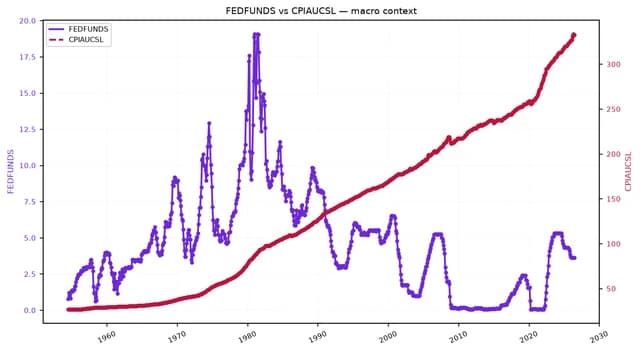
That posture is rooted in the Fed’s own challenge: inflation has eased from the breakneck pace of the last few years, but it is still elevated enough to keep policymakers cautious. The consumer price index forecast for July points to another monthly gain, and the Fed knows that premature easing could force it back into a harder fight later. Warsh’s message reinforces that old central-banker instinct: winning against inflation usually takes longer than markets want.
Bond traders are already feeling that reality. The 2-year Treasury yield has climbed to about 4.13%, a level that reflects expectations for policy to stay restrictive. Long-duration debt has also been under pressure, with the iShares 20+ Year Treasury Bond ETF, TLT, hovering near 84 and trading below both its 50-day and 200-day moving averages. That is a telltale sign that investors still want compensation for duration risk, even if the Fed is done raising rates for now.
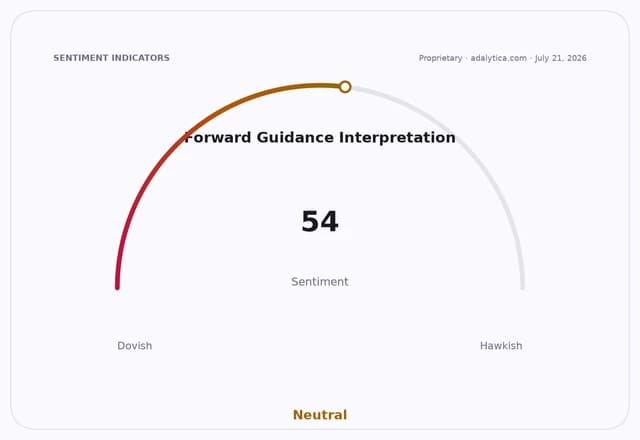
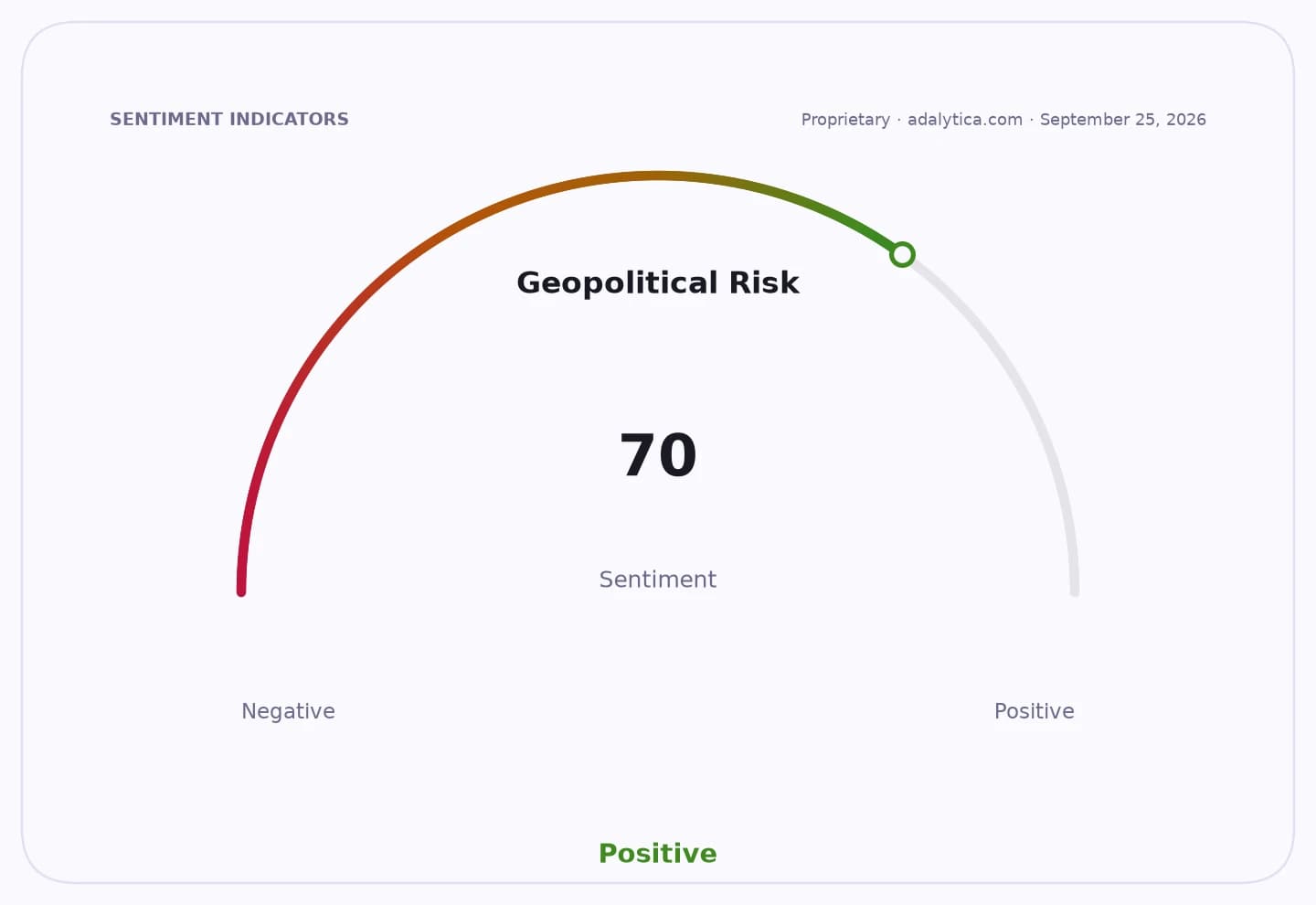
The market’s tone also says a lot about conviction. Adalytica’s market expectations gauge for Fed rate decisions shows “Extreme Greed,” meaning traders are highly focused on a hold rather than a hike. But that complacency can cut both ways. If inflation data stays sticky, the same market that expects stability could quickly reprice toward another increase, which would hit rate-sensitive assets from bonds to growth stocks.
For long-term investors, the message is straightforward: cheap money is not coming back quickly. That supports a more disciplined approach to portfolio construction, especially for anyone who has been reaching for yield or assuming lower rates will do the heavy lifting for asset prices. Banks, insurers and cash-generative businesses tend to cope better in this environment than highly leveraged borrowers or long-duration assets whose valuations depend on falling discount rates.
The dollar’s reaction has been more muted, but the bigger story is that policy uncertainty is still doing the heavy lifting across markets. If inflation keeps cooling, the Fed can afford patience. If it does not, a hold may be only the midpoint of a longer tightening story.
For investors, the right takeaway is not to chase every headline about the next Fed meeting. It is to own businesses and assets that can compound through a sustained period of above-average rates, and to keep duration risk in check. That’s the kind of setup that rewards patience over the next three to five years, not market timing.
| Entity | Gains | Losses |
|---|---|---|
| Savers and cash investors | ▲Higher short-term yields | ▼Lower refinancing relief |
| Banks and lenders | ▲Wider net interest margins | ▼Slower loan growth |
| Bondholders and TLT | ▲Higher prices if cuts arrive | ▼Price pressure from sticky yields |
| Borrowers and rate-sensitive stocks | ▲None | ▼Higher financing costs |