Inflation is easing in broad terms, yet the stubborn rise in services prices is complicating the path back to normal for the Federal Reserve and investors.
Sticky Services Keep Fed Cut Expectations Cautious
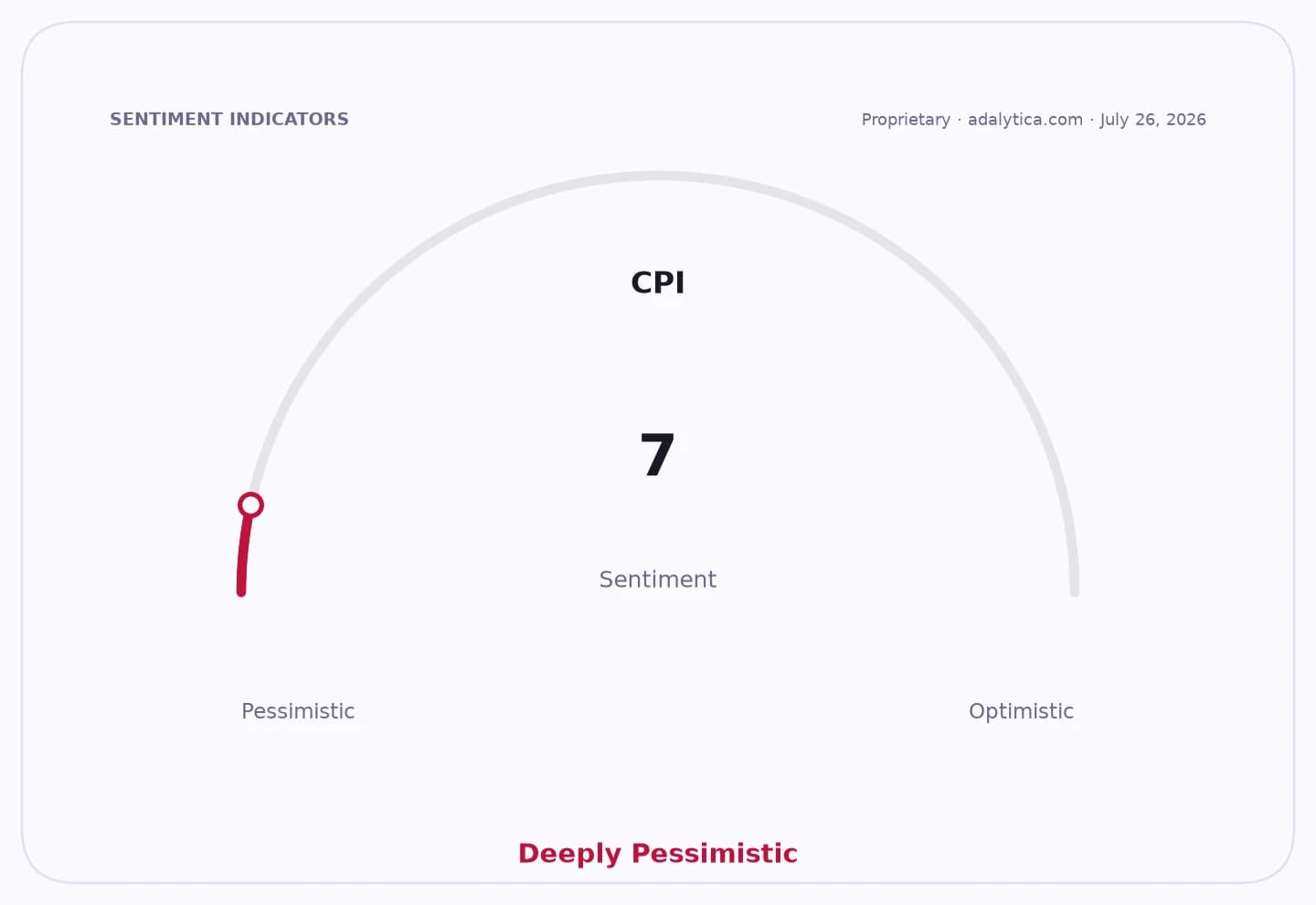
The latest consumer-price data point to a modestly softer overall inflation backdrop, with headline CPI likely rising 0.9% in July after a 0.4% gain in June, while core CPI is expected to increase 0.3% for a second straight month. That still leaves inflation running above the Fed’s 2% target, but the bigger issue is composition: services, which tend to be stickier and more wage-sensitive than goods, remain the part of the basket most resistant to disinflation.
That matters because the Fed does not set policy on the basis of one hot or cold print. It cares about whether price pressures are broadening or narrowing, and services inflation is the clearest signal that underlying demand in the economy remains firm enough to keep wages, rents and other labor-intensive costs elevated. If goods inflation keeps cooling while services stay sticky, the overall inflation rate can continue to drift lower without giving policymakers enough comfort to cut rates aggressively.
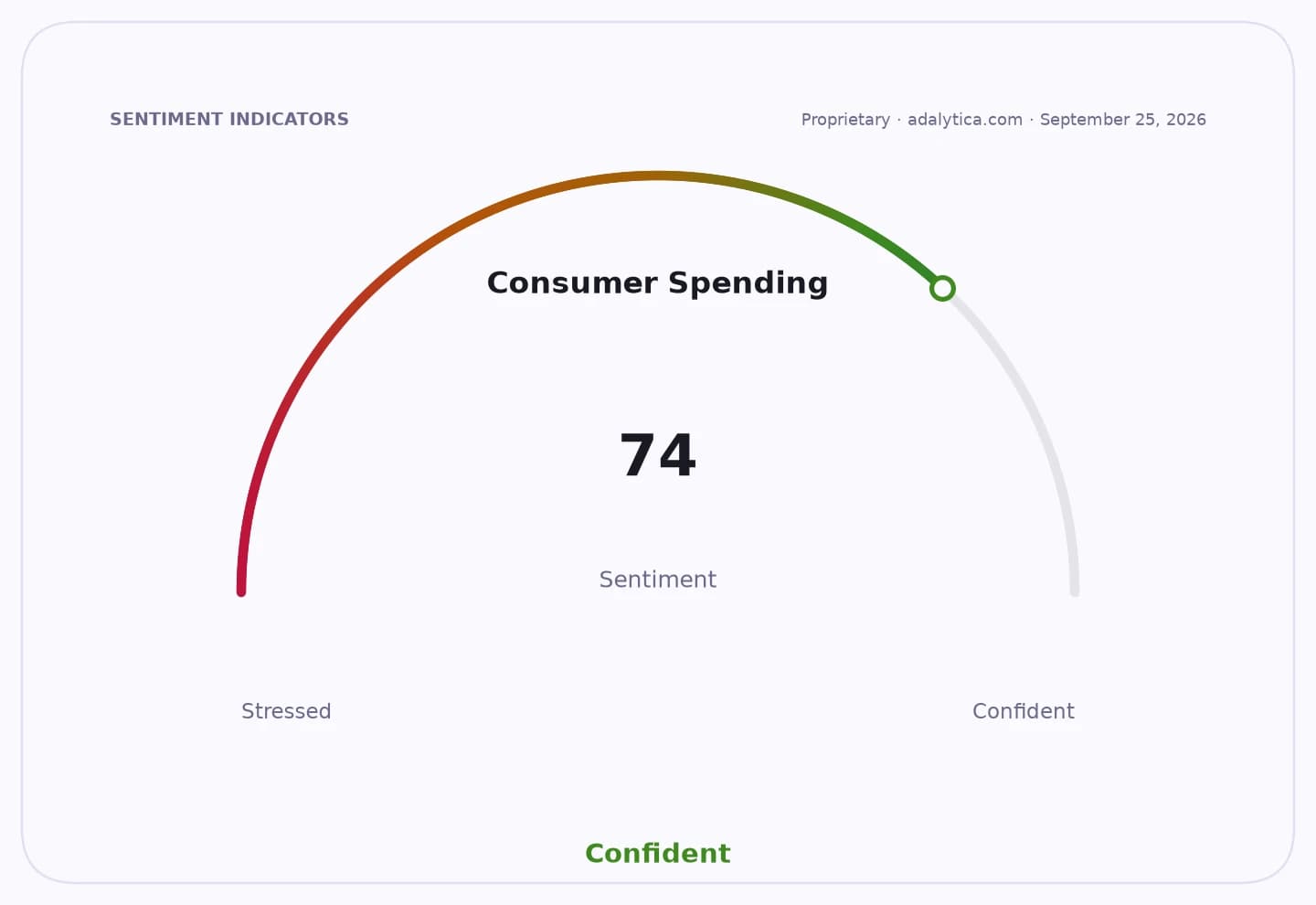
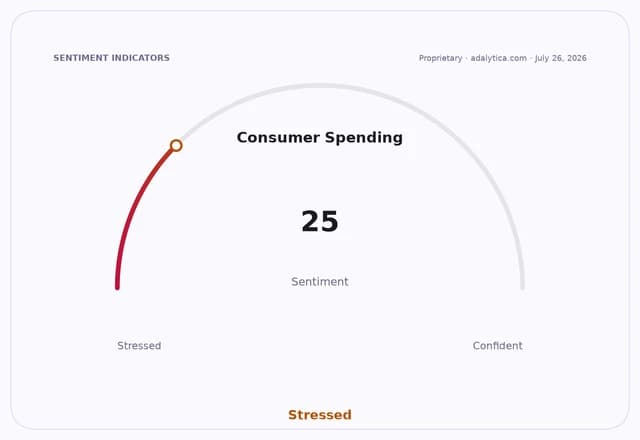
For consumers, the mix is uneven. Adalytica’s Consumer Spending Sentiment gauge has fallen to 25, in “Fear,” and its awareness reading sits at 14, in “Extreme Fear,” suggesting households are feeling the squeeze even as headline inflation decelerates. That fits the broader story: lower gasoline or goods inflation may ease some pressure, but services such as housing, insurance, healthcare and recreation still weigh on budgets because they are harder to avoid and slower to reverse.
CPIAUCSL vs CPILFESL — macro contextadalytica.com
Explore this data interactively — full history, time series and cross-market comparisons.Open AlphaPulse
For markets, the message is less about whether inflation is falling than about how quickly the Fed can respond. Interest-rate futures have already been repricing around the idea that cuts may come later and more slowly if services inflation stays resilient. That should keep Treasury yields sensitive to each inflation release and leave rate-cut hopefuls vulnerable to disappointment if core services readings, especially in shelter and labor-intensive categories, fail to cool.
Equity investors are already split between defensives and cyclicals. The Consumer Staples ETF XLP has outperformed Consumer Discretionary XLY in recent sessions, with XLP closing at 83.21 on July 23 versus 109.41 for XLY on July 24. That relative strength reflects a market that still prefers cash-flow stability when inflation remains uncertain and consumer sentiment is weakening. Health care has also held up better, with XLV near 162.57, underscoring demand for sectors that can absorb cost pressure more easily than households-dependent retailers and leisure names.
The broader narrative is that inflation is no longer a one-way story of runaway prices, but nor is it a clean victory for policymakers. Goods disinflation is doing some of the heavy lifting, while services inflation is acting as the last major obstacle to a full return to the Fed’s target. As long as that remains true, the market will keep debating not whether policy is restrictive, but how long it has to stay that way.
| Entity | Gains | Losses |
|---|---|---|
| Fed hawks | ▲More reason to stay cautious | ▼Faster rate cuts |
| Consumer staples | ▲Defensive inflows | ▼Cyclical spending rebound |
| Consumer discretionary | ▲A softer landing if inflation falls | ▼Higher borrowing costs and weak demand |
| Households | ▲Lower goods-price pressure | ▼Sticky services bills |