Bitcoin treasury companies are being judged less on their coin count than on how much cash they can raise when the market turns, and that is where Strategy still has the edge, according to economist Saifedean Ammous.
Strategy Bitcoin treasury funding risk and cash reserve

That distinction matters for investors because the sector’s real risk is not simply a fall in Bitcoin, but whether companies that borrowed around the asset can keep servicing preferred dividends and debt interest through a drawdown. Strategy’s latest filing, cited in the discussion, showed 847,666 BTC acquired for $63.95 billion and a $5.02 billion dollar reserve earmarked for those payments, a cushion Ammous said has so far kept the company away from liquidation risk.
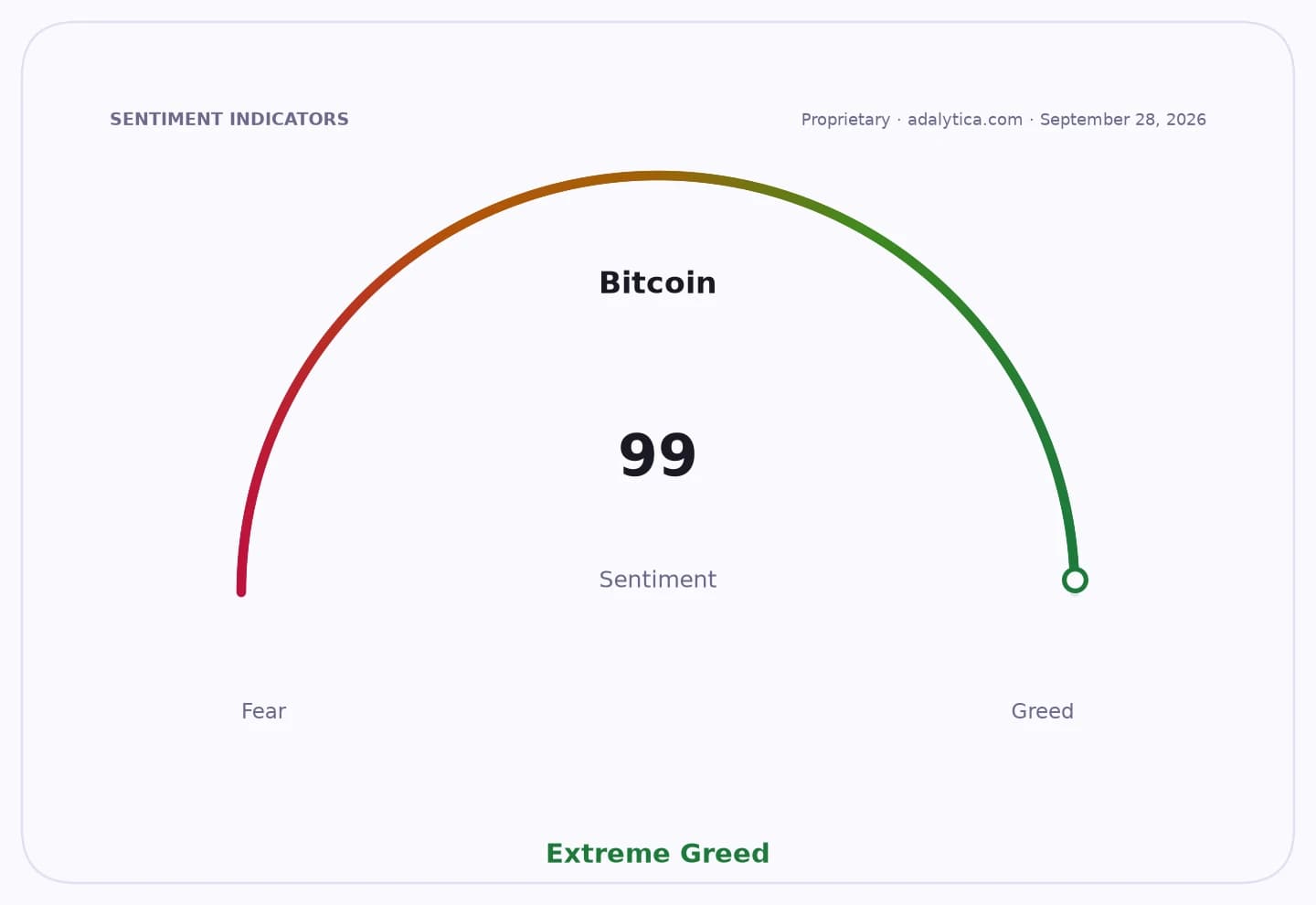
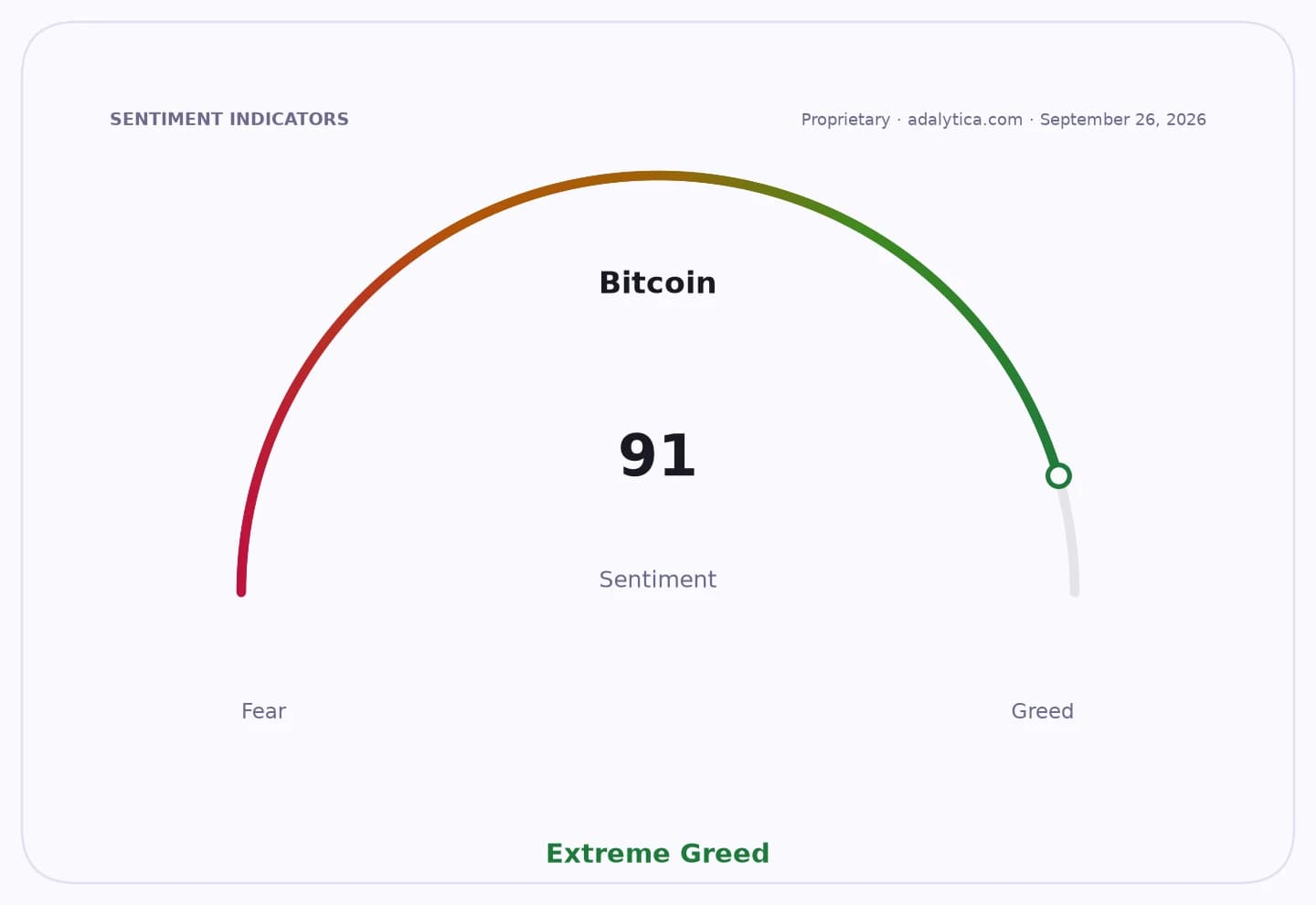
Sentiment IndicatorsⓘProprietary · adalytica.com · October 4, 2026
This is a snapshot — live sentiment, awareness and momentum for 130+ markets update continuously in the dashboard.Open AlphaPulse
The comments land after a bruising stretch for Bitcoin treasury structures, when Bitcoin slipped below $60,000 and Strategy’s STRC preferred stock traded far under its $100 target price. That selloff exposed the leverage embedded in the model: a falling token price can pressure financing instruments even if the underlying balance sheet still has room to absorb volatility.
Ammous’s main argument is that Strategy’s scale gives it access to better borrowing terms than smaller rivals, turning size into a structural advantage. For large holders, the ability to raise capital against a vast Bitcoin position and a cash reserve can keep them in the market through stress. For smaller treasury names, the same financing model can become far less forgiving if asset prices weaken and funding costs rise.
Bitcoin vs MSTRadalytica.com
Explore this data interactively — full history, time series and cross-market comparisons.Open AlphaPulse
That helps explain why the market has focused so heavily on payment coverage and reserve management rather than on Bitcoin holdings alone. Strategy responded to the summer stress by lifting STRC’s annual dividend rate to 12%, repurchasing shares and building its cash reserve, while at one point selling some Bitcoin to fund obligations before resuming accumulation. The sequence underlines how treasury firms may have to trade exposure for liquidity when market conditions deteriorate.
For investors, the bull case remains that corporate Bitcoin adoption could broaden as operating businesses begin allocating surplus cash to a reserve asset. Ammous said firms with positive cash flow may increasingly see Bitcoin as a long-term treasury holding rather than a pure speculation, which would deepen demand over time and normalize the asset on corporate balance sheets.
The bear case is that a Bitcoin treasury vehicle is not the same as owning Bitcoin directly. Preferred stock, debt covenants and cash-management choices can all change the payoff profile, especially in a selloff. That makes Strategy a credit-and-structure story as much as a Bitcoin story, and it leaves smaller treasury companies more vulnerable to funding stress if the next downturn is sharp.
Ammous also sketched a longer-term view that Bitcoin may already have bottomed and could peak in the next cycle around 2029, with a rough 2030 estimate near $200,000, though he stressed he would not bet on it. Bitcoin itself remains well above its 50-day moving average in the data provided and the Adalytica Bitcoin Fear & Greed Index shows greed at 80, but that does not remove the financing risk hanging over treasury-linked equities.
The key test now is whether Strategy can keep its payment coverage intact if Bitcoin retraces again and whether the market continues to grant it cheaper capital than its smaller peers. If it can, the company’s size will keep looking like an advantage; if it cannot, the sector’s weakest balance sheets may find that owning Bitcoin on leverage is a very different proposition from simply holding the coin.
| Entity | Gains | Losses |
|---|---|---|
| Strategy (MSTR) | ▲Cheaper capital access | ▼Fewer financing constraints |
| Smaller Bitcoin treasuries | ▲Reserve-asset adoption trend | ▼Funding stress and liquidation risk |
| Bitcoin holders | ▲Broader corporate demand | ▼Treasury-linked forced selling risk |
| Preferred-stock investors | ▲Higher coupon income | ▼Price volatility and structure risk |