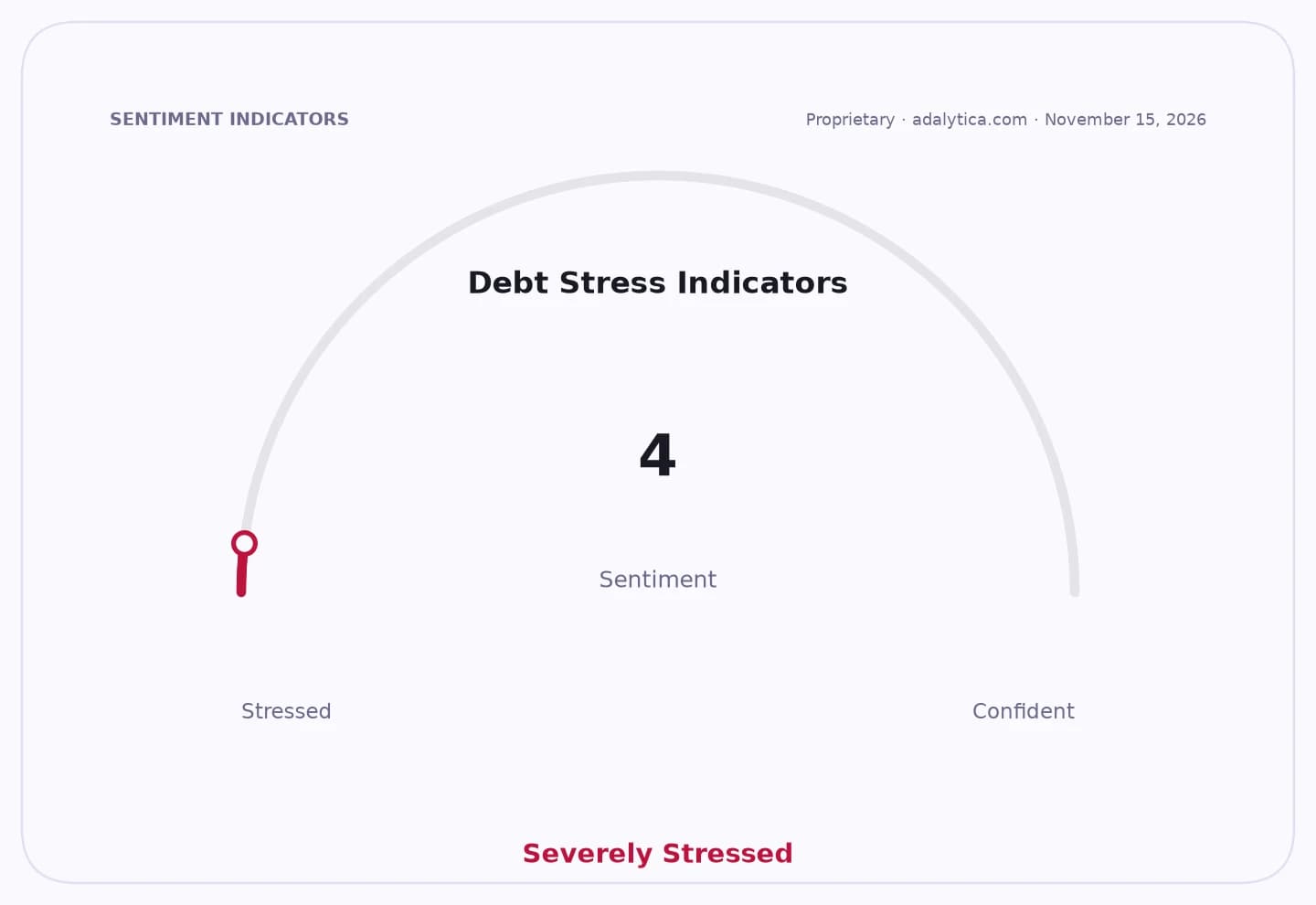
Record student debt has become a balance-sheet problem for households and a funding problem for the institutions that serve them, with Black borrowers and historically Black colleges and universities exposed to the heaviest pressure.
Student Debt Pressure Hits HBCUs and Borrowers
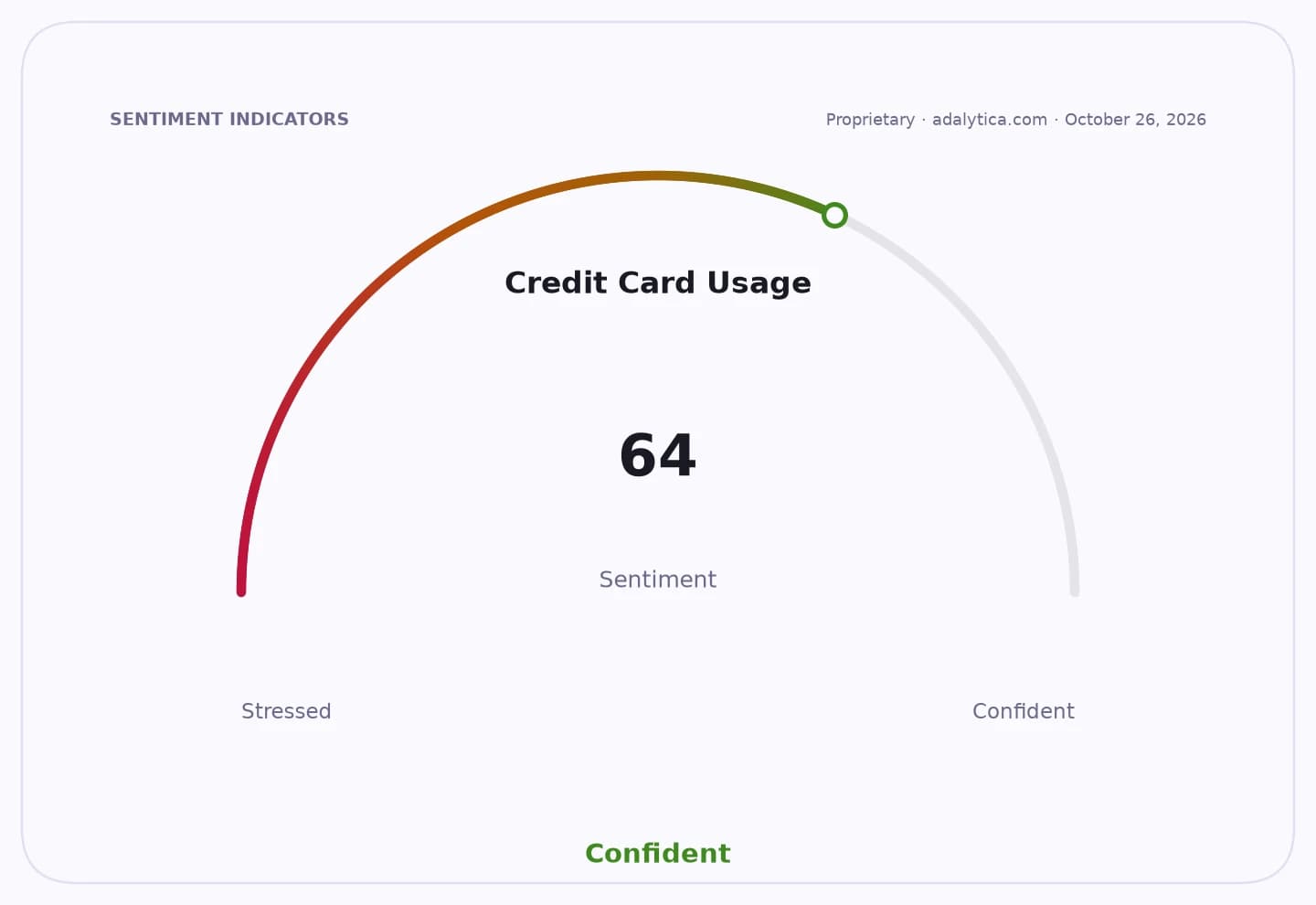
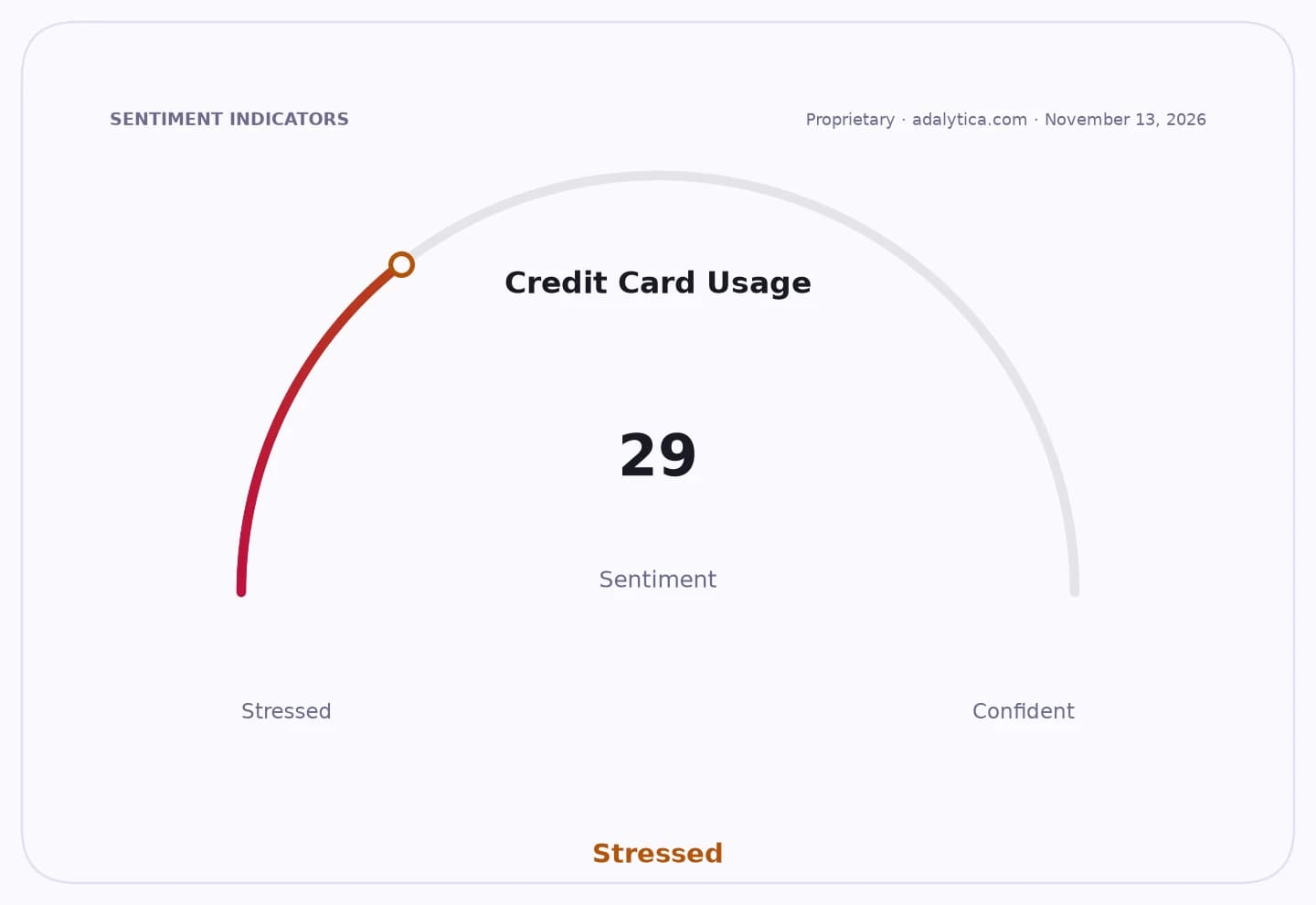
Credit Card Usage
An estimated 45 million Americans now owe about $1.7 trillion in student loans, a debt load that has become more onerous as inflation has lifted living costs and borrowing has stayed difficult to unwind. For HBCU students and graduates, the strain is especially acute because they are more likely to borrow to attend college and often leave school with weaker family wealth buffers and lower repayment capacity than peers at wealthier institutions.
Sentiment Indicators
That matters economically because student debt acts like a tax on future consumption, suppressing home purchases, retirement saving and small-business formation. When repayments crowd out spending, the drag spreads beyond borrowers to the broader economy, limiting demand and reinforcing inequality in wealth accumulation. It also makes graduation from an HBCU less of a clean launch into the middle class, especially if borrowers face uneven labor-market outcomes after leaving school.
The political economy is shifting around that reality. Student-loan stress has been a persistent policy fault line, with federal relief efforts, forgiveness proposals and repayment-plan changes all facing legal and fiscal constraints. Any widening of support would ease pressure on distressed borrowers, but it would also sharpen the debate over moral hazard and the federal government’s exposure to credit losses. The longer relief remains uncertain, the more the burden falls on borrowers to absorb higher monthly payments and on servicers and lenders to manage delinquencies.
For lenders and investors, the issue is not isolated to education policy. The share prices of student-loan specialists such as Navient and Sallie Mae have been volatile as markets weigh repayment performance, policy risk and the credit quality of their portfolios. Even without a broad deterioration in macro data, the sector remains sensitive to any sign that delinquencies are rising or that federal rules could change cash flows. Conventional technical indicators on those stocks have shown sharp swings, reflecting how quickly sentiment can shift when investors reassess the earnings outlook.
The broader narrative is that student debt has become a structural constraint on Black economic mobility rather than a temporary post-pandemic issue. HBCUs sit at the center of that story because they educate a disproportionate share of Black professionals, but their students often finance that opportunity with higher leverage and less room for error. That makes loan policy, labor-market outcomes and household balance sheets inseparable.
What investors and policymakers should watch next is whether repayment stress spreads further into consumer credit, whether student-loan servicers see rising charge-offs or forbearance, and whether Washington settles on a durable repayment framework. If not, the debt overhang will keep weighing on households long after the headline number fades.
| Entity | Gains | Losses |
|---|---|---|
| Student-loan servicers | ▲Higher demand for repayment management | ▼Reputational and policy risk |
| Borrowers, especially HBCU graduates | ▲Potential relief from policy changes | ▼Lower disposable income |
| HBCUs | ▲More attention to financing gaps | ▼Student affordability pressure |
| Federal policymakers | ▲Chance to reshape repayment rules | ▼Fiscal and political backlash |