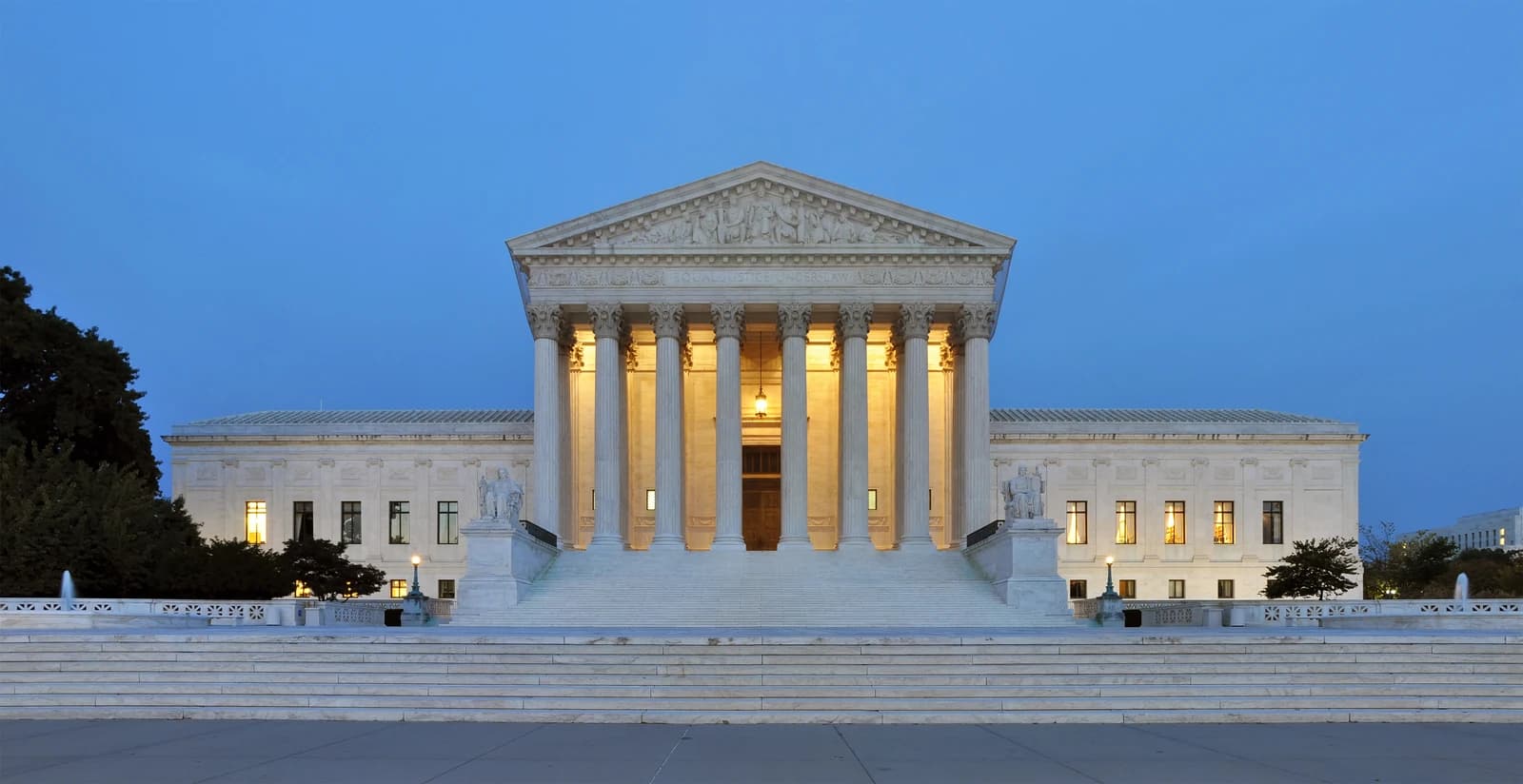
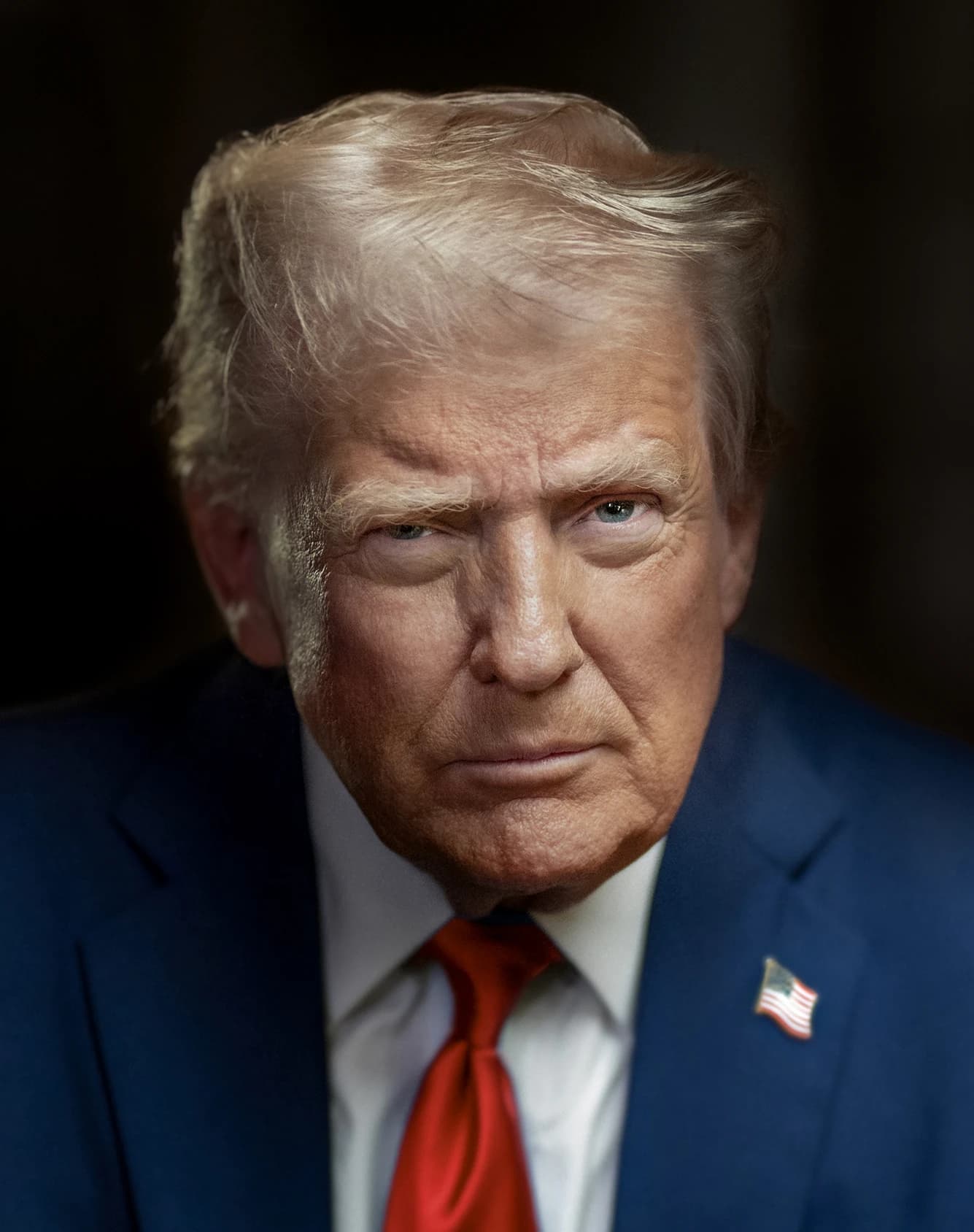
A Democratic Senate takeover is turning Clarence Thomas and Samuel Alito into the most important political variables on the Supreme Court, because any vacancy while Democrats control the chamber could freeze Donald Trump’s ability to lock in a replacement and leave the court’s 6-3 conservative majority vulnerable for years.
Supreme Court Vacancy Risk and Senate Control
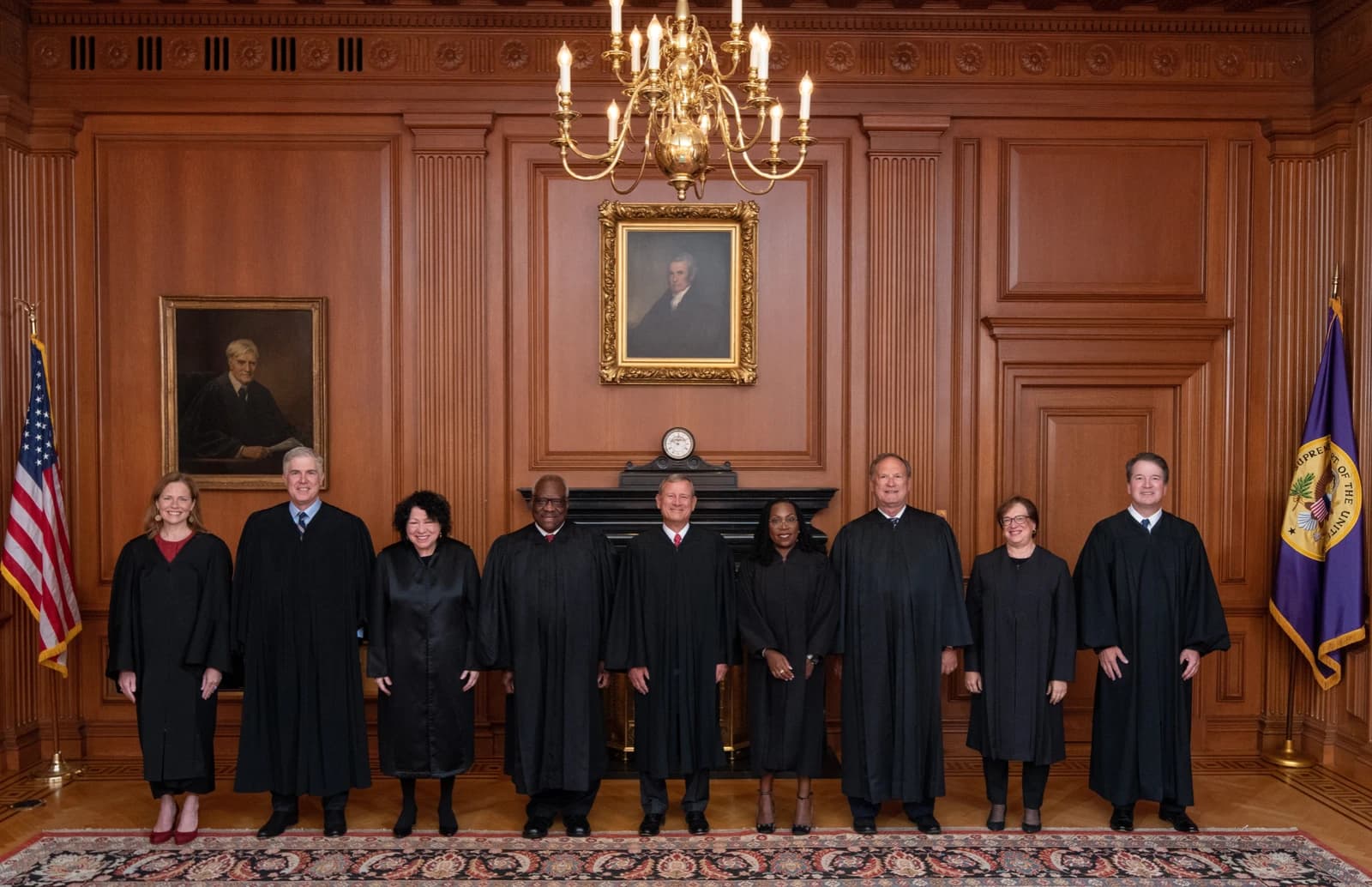
That is why the market for judicial power, not just politics, matters here. The Senate’s confirmation gatekeeping gives Democrats the ability to block a Trump nominee if either of the court’s two oldest justices steps down after January 3, sharply raising the odds that the current conservative supermajority survives only if Thomas, 78, and Alito, 76, remain on the bench through a hostile Congress. For investors, this is not a courtroom sideshow. Supreme Court composition shapes the rules around abortion, gun rights, regulation, executive power and the business climate that ultimately affects capital allocation, litigation risk and policy visibility.
Sentiment Indicators
Congressional Gridlock
The timing is what makes the situation so combustible. Conservatives had hoped any retirement decision could be engineered before Democrats fully take control, but the lame-duck window is short and crowded. Even if a vacancy emerged now, there is no certainty Republicans could jam through a confirmation before the Senate flips. Alito’s recent comment that he would stay for the rest of the current term, which runs through June, damped immediate speculation, but it did not end it.
The broader economic significance is that judicial control can outlast electoral control. Some conservative strategists are already thinking in terms of 2032 or even 2033, arguing that the new Democratic majority could make it difficult for Republicans to reclaim the Senate for multiple cycles. That would mean a future Republican president could have the White House but still be unable to reshape the court or lower federal judiciary. In practical terms, the policy regime investors are pricing may be more durable than many expected.
Congressional Gridlock — 30-day sentimentadalytica.com
Explore this data interactively — full history, time series and cross-market comparisons.
That matters because the court has been central to the legal architecture of the Trump era, especially on executive authority and regulation. A continued conservative majority would keep alive the possibility of more business-friendly rulings on administrative power and federal oversight. A vacancy that Democrats can help fill, by contrast, would create the prospect of a court less receptive to Trump-era doctrines and potentially more willing to sustain regulation in areas ranging from labor to antitrust to environmental policy.
The investable takeaway is clear: the market underestimates how much Senate control can shape the next decade of legal risk. The immediate trade is not a stock pick but an allocation view — owners of long-duration risk assets should watch for a prolonged fight over judicial succession, while investors tied to regulated sectors should recognize that the court’s ideological balance may become the key policy swing factor of the next Congress. If Thomas or Alito exit during divided government, the implications will reverberate far beyond Washington.
| Entity | Gains | Losses |
|---|---|---|
| Democrats | ▲Senate leverage | ▼GOP court succession |
| Trump | ▲Status quo if no vacancy | ▼Replacement opportunity |
| Conservative majority | ▲Preserved bench if no retirement | ▼Vulnerability to vacancy |
| Regulated sectors | ▲Policy clarity if court steadies | ▼Uncertainty if court shifts |