Suriname’s first national AI summit is a reminder that artificial intelligence is no longer an abstract technology question — it is a boardroom decision with real economic consequences.
Suriname AI Summit Highlights Boardroom Adoption
That matters because companies are now being forced to choose between moving early and risking mistakes, or moving too slowly and falling behind competitors that use AI to cut costs, speed decisions and reshape customer expectations. For a smaller economy such as Suriname, where competitiveness depends on productivity and the ability to modernize quickly, those choices can have an outsized effect on growth, margins and investment appeal.
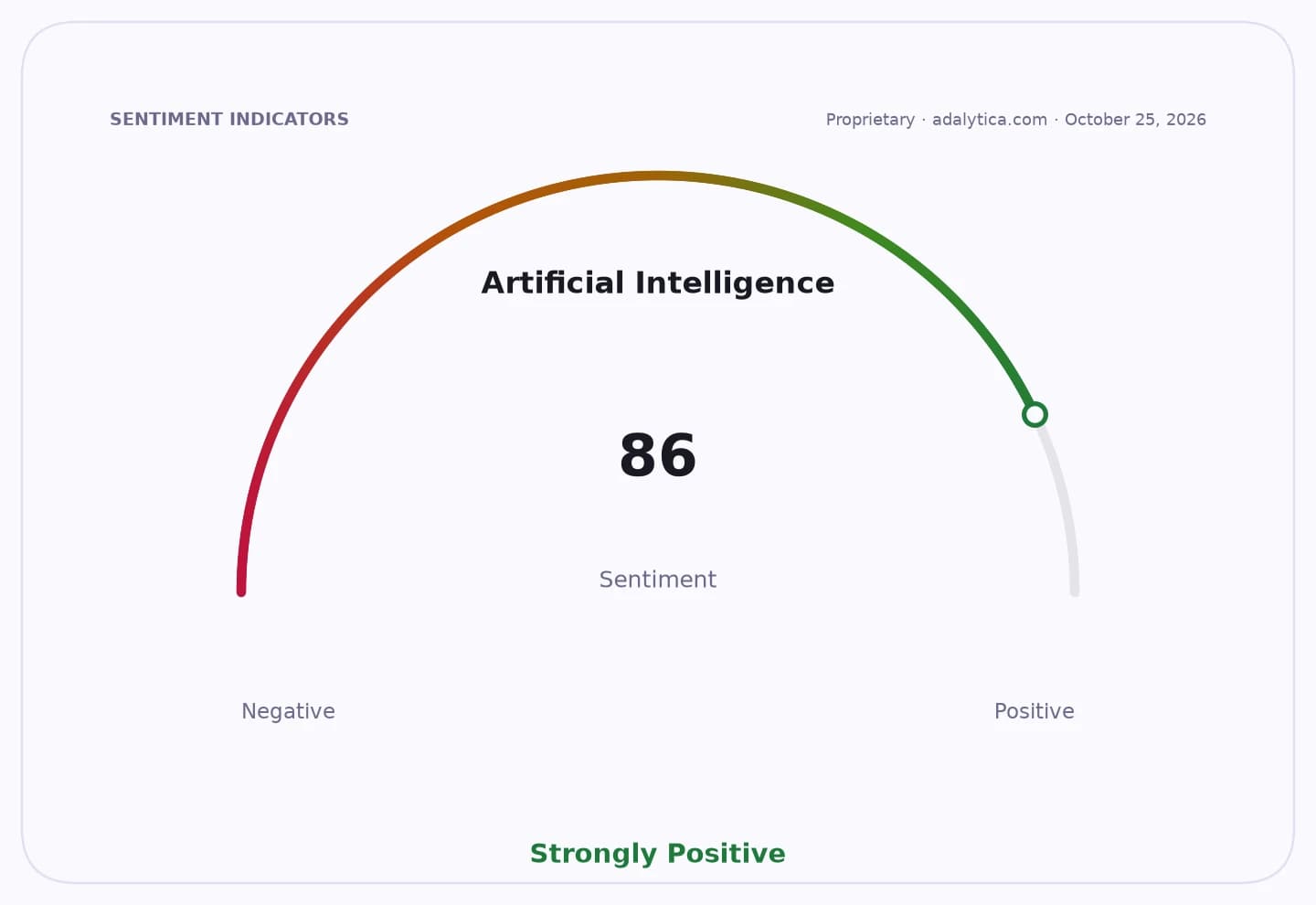
Sentiment IndicatorsⓘProprietary · adalytica.com · October 25, 2026
This is a snapshot — live sentiment, awareness and momentum for 130+ markets update continuously in the dashboard.Open AlphaPulse
The summit, set for Oct. 27 and 28 at the Torarica Ballroom, is expected to bring together more than 500 C-level executives, directors and policymakers under the banner “Shaping an AI-Driven Future.” That is not just conference language. It shows that AI adoption is shifting from the IT department to the top table, where governance, ethics and strategy collide.
The message from keynote speaker Elly Kort, an AI strategist with decades of banking and digitalization experience, is blunt: the real issue is not whether AI can automate internal work, but how it will alter market structure, customer demands and competitive pressure. That is the right way to think about it. In every industry, AI is increasingly less about isolated efficiency gains and more about who can use data, software and automation to build durable advantages.
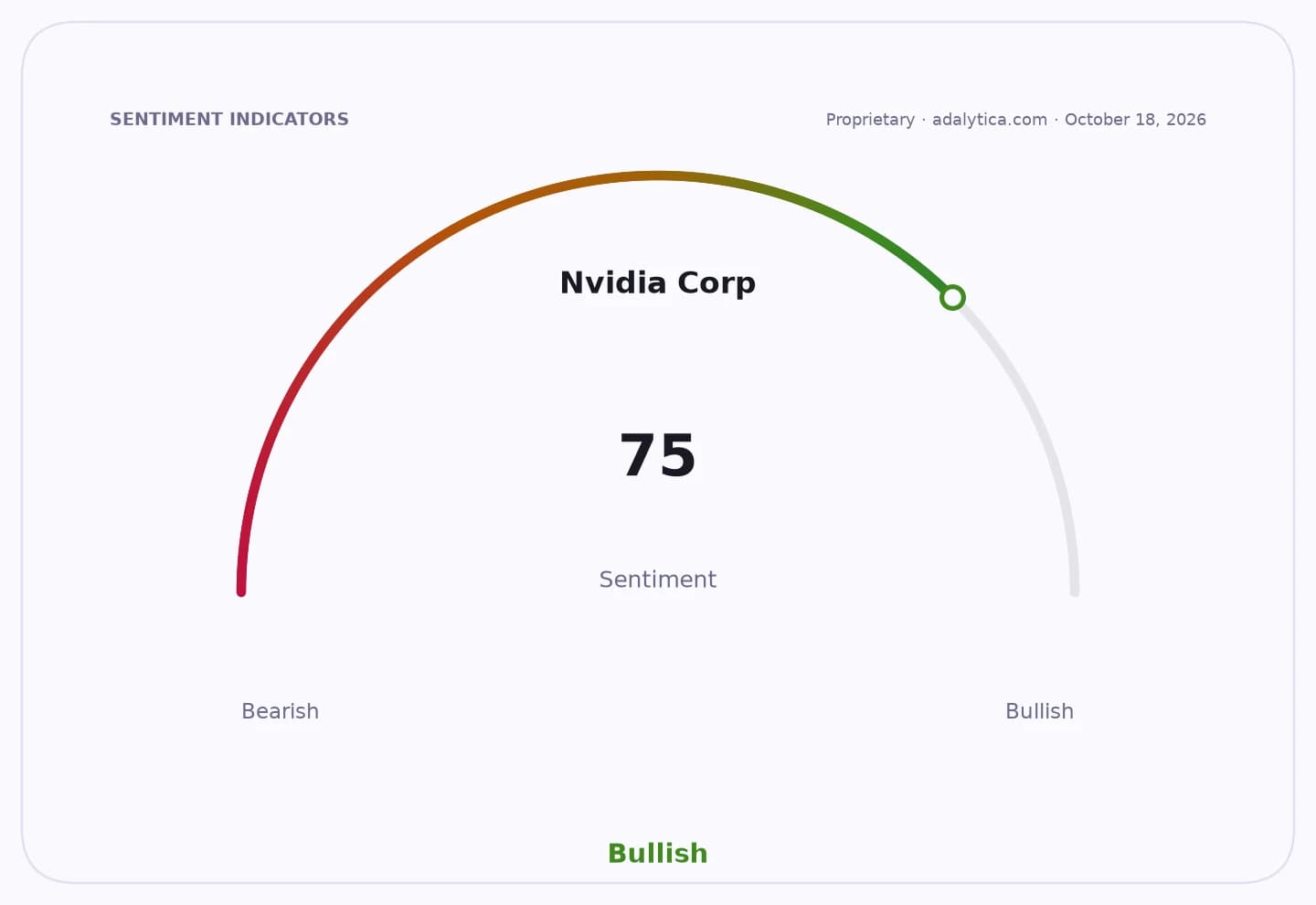
Investors should pay close attention because that same dynamic is playing out in the global market leaders most exposed to the AI buildout. Nvidia shares have been volatile even after a huge run, with the stock recently trading around $210.96, below its 50-day moving average of roughly $222.39 and well under a recent high near $235.20. Microsoft, meanwhile, has held up far better, closing recently around $524.51, still above both its 50-day and 200-day moving averages. The contrast is telling: the market is rewarding firms with direct AI monetization and punishing those where enthusiasm has run ahead of execution.
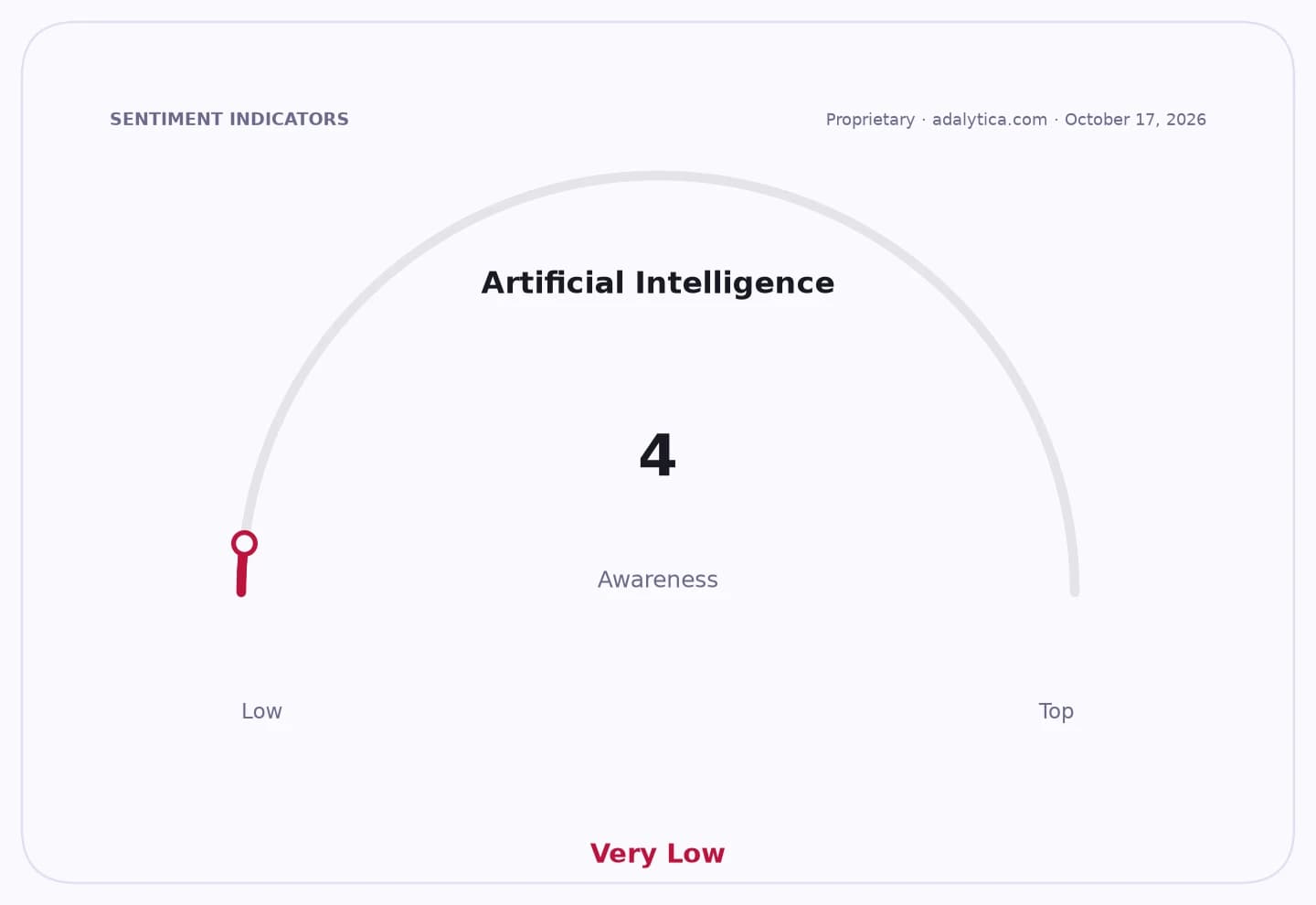
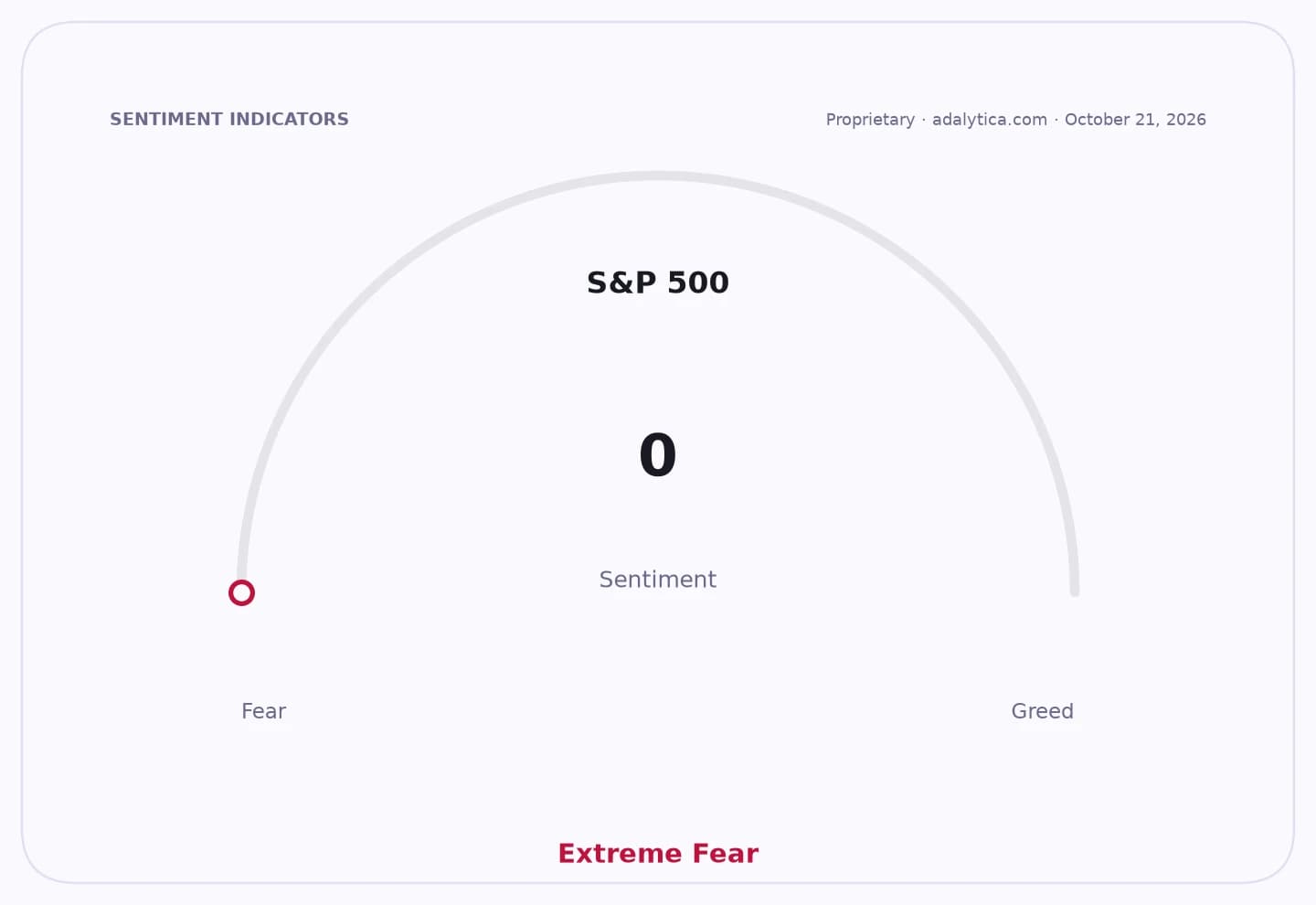
Adalytica’s AI sentiment gauge underscores that tension. AI sentiment is in “Extreme Greed,” while awareness is still in “Extreme Fear,” a combination that suggests investors and businesses alike are enthusiastic about the opportunity but still unsure how quickly and safely to deploy it. That gap between appetite and readiness is exactly where the next winners and losers will emerge.
Microsoft’s own filings help explain why board-level caution matters. The company has warned that AI systems can create legal, regulatory, reputational and competitive risks, even as it continues to return cash to shareholders through dividends. Nvidia has also disclosed the scale and complexity of the AI infrastructure race, including multiyear commitments tied to power, land and supply constraints. In other words, the AI boom is real, but it is not frictionless.
For Surinamese companies, that should be a call to action rather than a cause for hesitation. The firms that win will not be the ones that simply buy the latest tools. They will be the ones that set rules for data use, train management to make better decisions and tie AI to measurable business outcomes. The summit’s executive workshop format suggests that lesson is finally reaching the boardroom.
There is still a risk of hype outrunning discipline. Companies that adopt AI too quickly can expose themselves to privacy failures, poor controls and wasted spending. But the bigger risk for long-term investors is inaction. In a world where AI is reshaping productivity and competitive moats, waiting for perfect certainty is often the most expensive strategy of all. For investors, the takeaway is straightforward: watch which companies build governance and execution together, because that is where durable compounding is likely to come from.
| Entity | Gains | Losses |
|---|---|---|
| Surinamese companies | ▲Higher productivity and competitiveness | ▼Complacent incumbents |
| AI leaders like Microsoft | ▲Stronger enterprise demand | ▼Slow adopters |
| Nvidia and chip suppliers | ▲Infrastructure spending boom | ▼Firms facing pricing pressure |
| Investors | ▲Long-term growth opportunities | ▼Businesses that rush without governance |