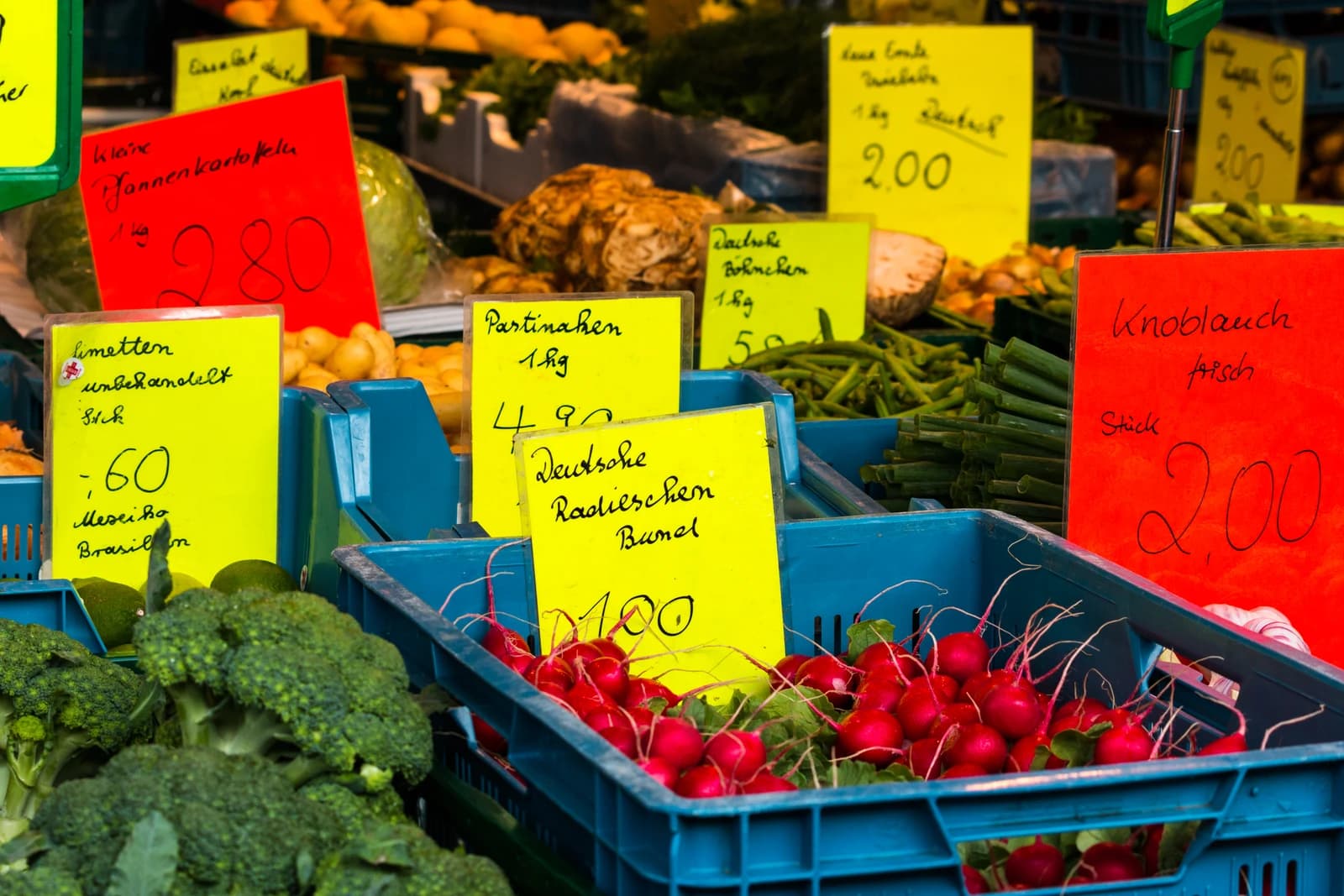
Swiss National Bank President Martin Schlegel says this year’s record heat has already moved food prices in Switzerland and is now a key risk to the country’s inflation outlook after the central bank kept its policy rate at 0%.
Swiss National Bank flags heat-driven food inflation
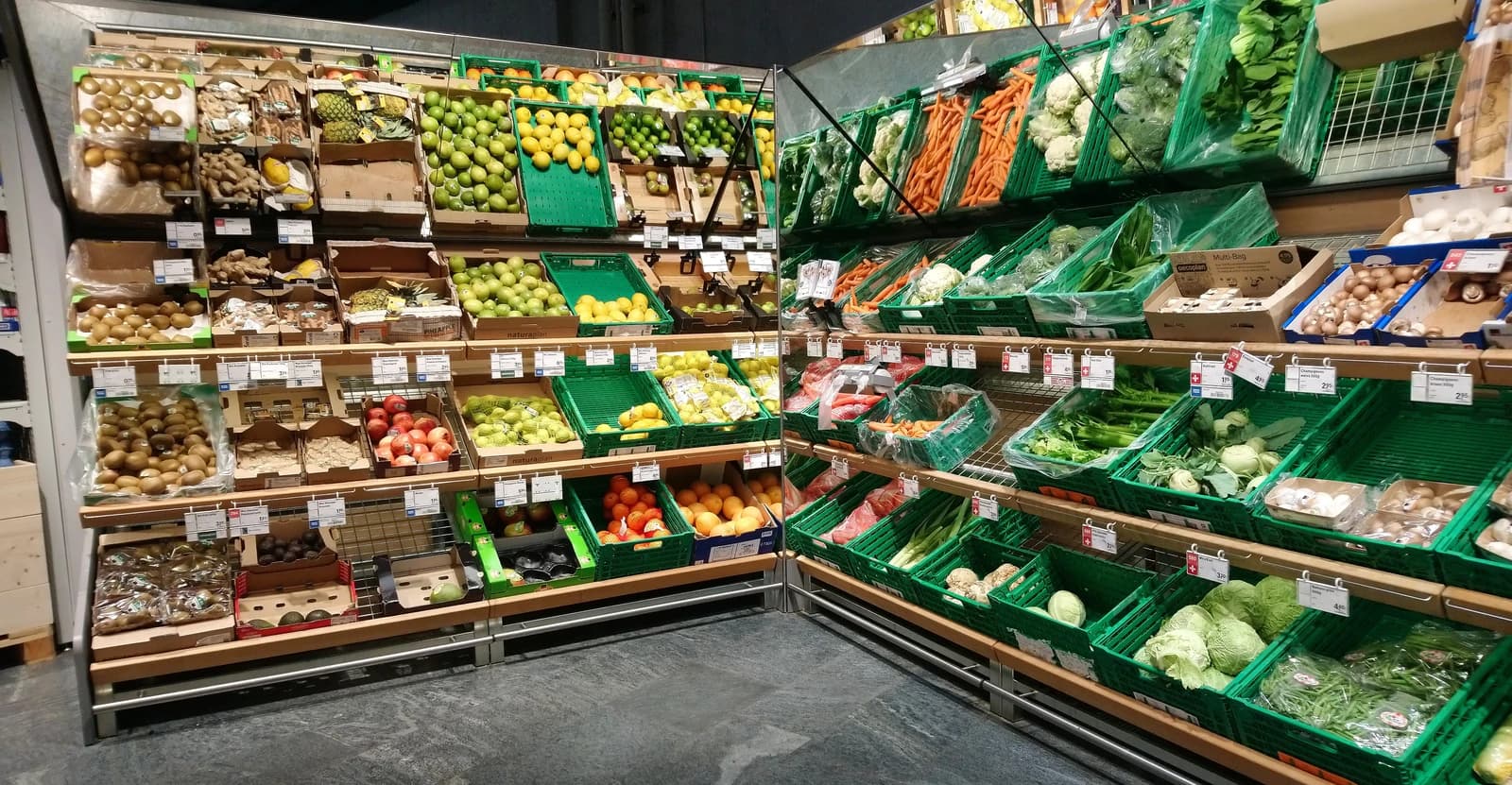
The warning matters because Switzerland’s inflation picture is being shaped less by broad demand pressure than by weather, fuel and transport costs — a combination that gives policymakers room to stay on hold for now, but also leaves them exposed if harvests worsen or shipping routes are disrupted. Schlegel said the latest pickup in inflation is “almost exclusively” due to petroleum products, while hot and dry weather has produced “certain price movements” in food.
Sentiment Indicators
Switzerland’s annual inflation rate doubled in August to its highest level in nearly two years, reviving concern that weaker crops and lower water levels on rivers such as the Danube and Rhine could raise costs for food and goods movement. The SNB said Thursday it can keep borrowing costs unchanged because it expects the inflation burst to fade and for consumer prices to remain within its 0% to 2% target range through mid-2029.
That stance contrasts with other central banks still fighting sticky inflation with higher rates. For investors, the message is that the SNB is not reacting to the current price spike as a demand-driven problem, which reduces the odds of near-term tightening and supports the franc’s recent move lower after years of steady appreciation.
The central bank is also betting that crude prices will ease, which would strip out the main source of the current inflation bump. But if heat damages harvests further or transport bottlenecks persist, food inflation could broaden and complicate that view.
For markets, the immediate focus is on whether the rise in food and energy prices remains temporary or turns into a more persistent inflation shock. The next readout on Swiss prices and any further crop or river-traffic disruptions will be the key tests.
| Entity | Gains | Losses |
|---|---|---|
| Swiss consumers | ▲rate stability | ▼higher food bills |
| SNB policymakers | ▲room to wait | ▼pressure if inflation broadens |
| Franc bears | ▲weaker currency | ▼longer-term appreciation bet |
| Food importers and retailers | ▲easier pass-through if prices ease | ▼margin squeeze if costs rise |