Switzerland’s inflation weakened in July, reinforcing the case for the Swiss National Bank to keep policy loose and adding to expectations that borrowing costs will stay near their current level.
Switzerland July inflation cools, keeping SNB rates steady

The cooling in consumer prices matters because Swiss inflation is already far below that of most major economies and comfortably under the central bank’s 2% ceiling. That gives policymakers room to protect growth in an economy that is sensitive to the franc’s strength and to external demand.
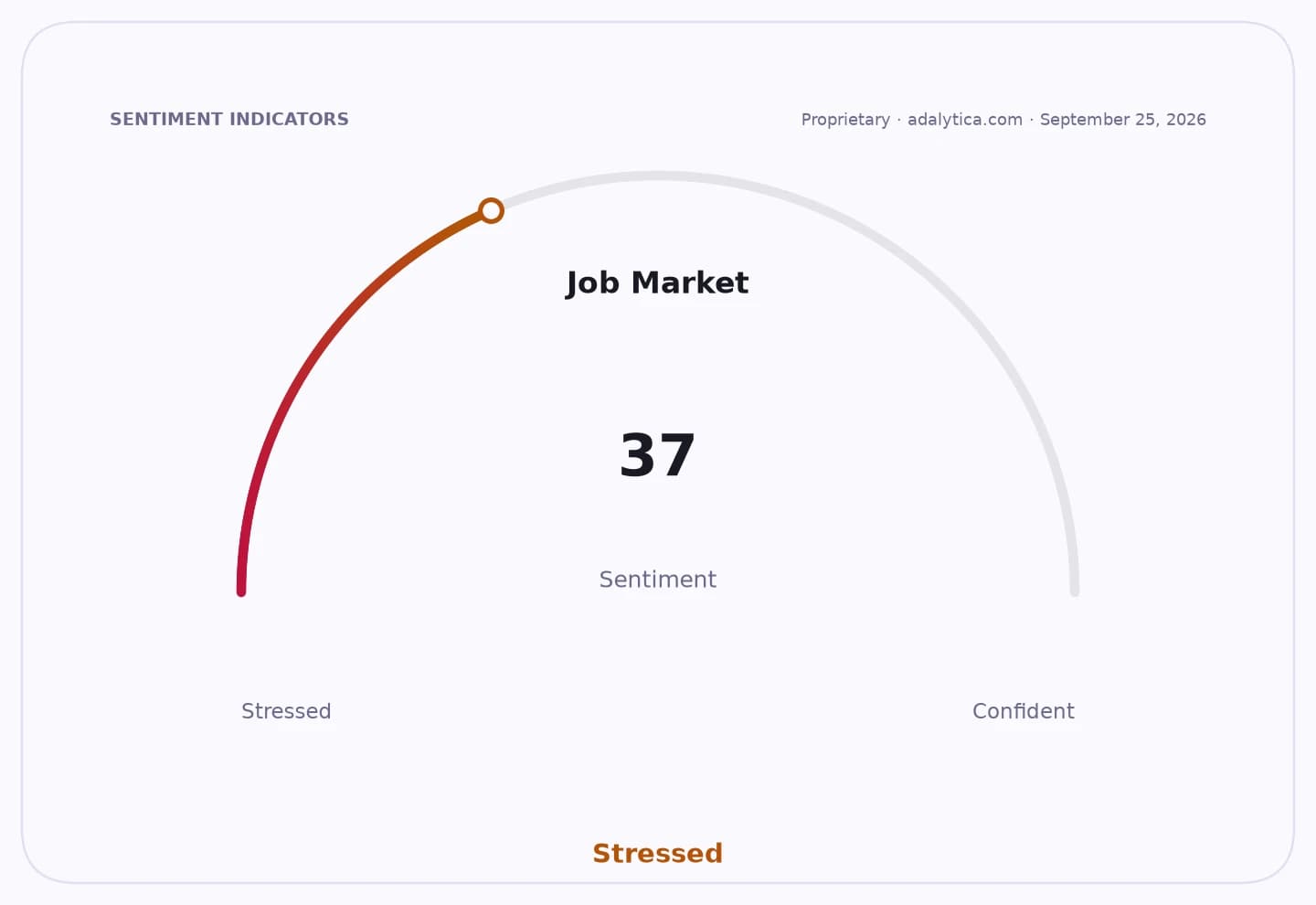
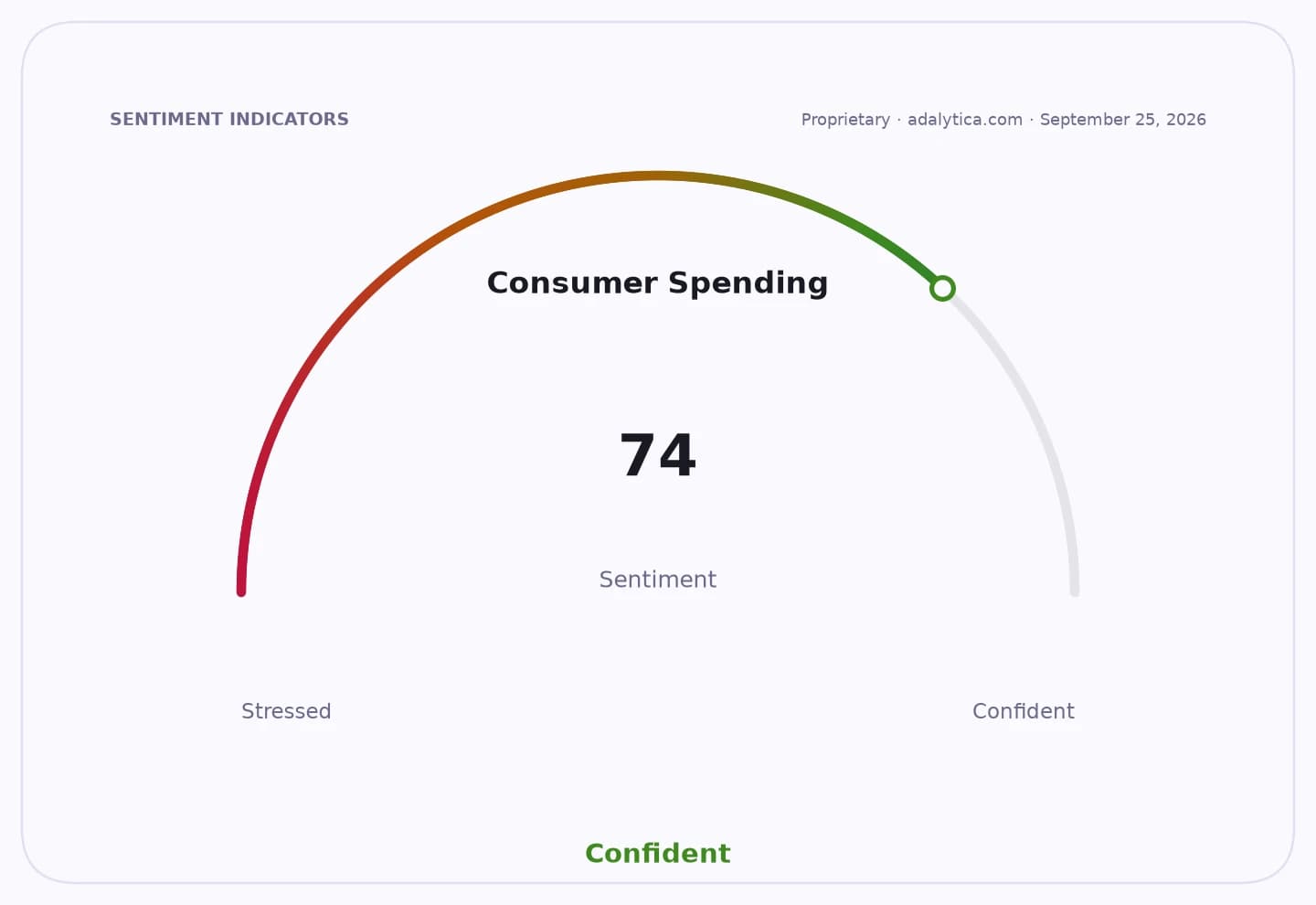
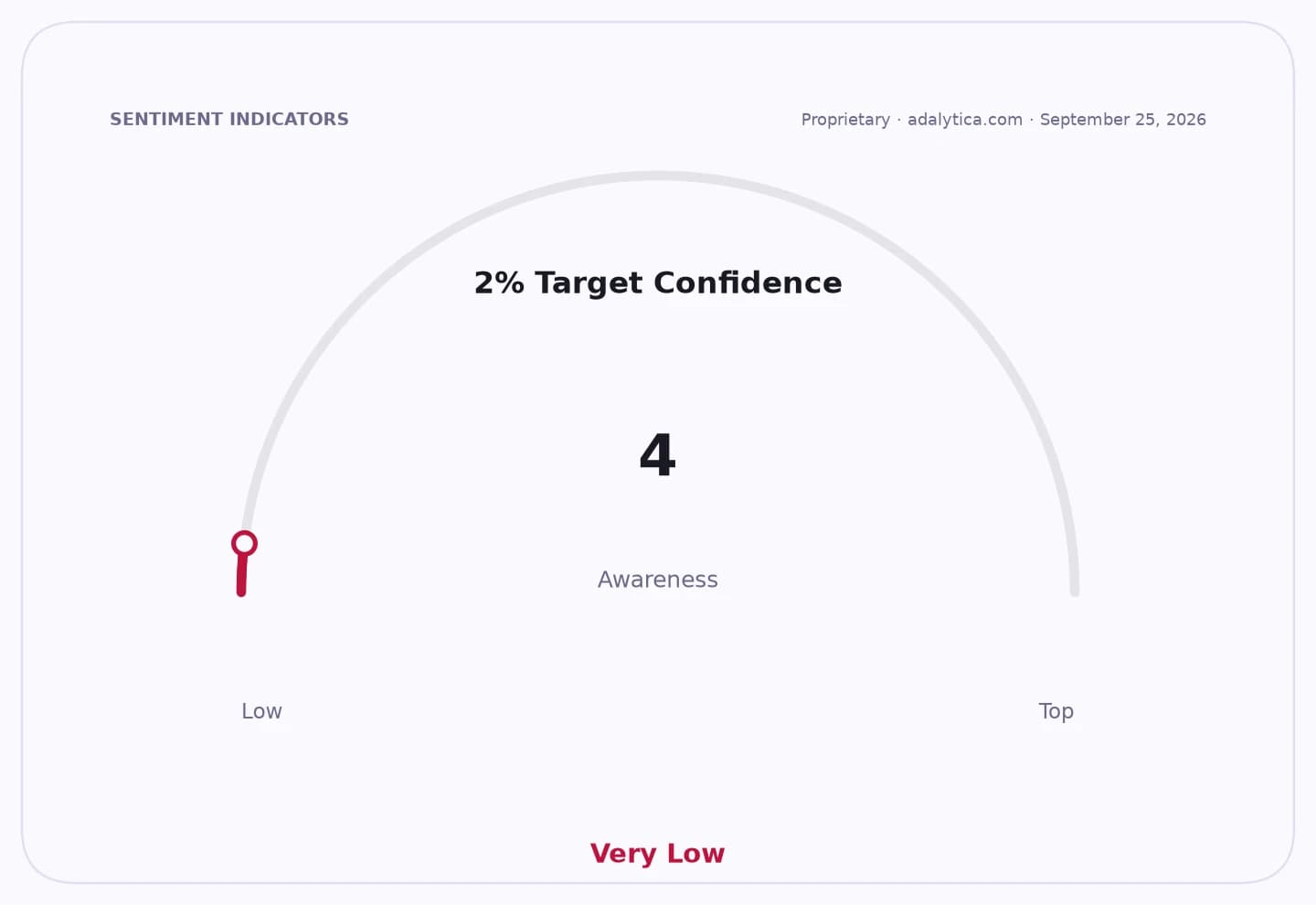
Sentiment IndicatorsⓘProprietary · adalytica.com · August 3, 2026
This is a snapshot — live sentiment, awareness and momentum for 130+ markets update continuously in the dashboard.Open AlphaPulse
The latest reading also helps explain why Swiss assets remain tightly linked to rate expectations and currency moves rather than inflation fears. A softer inflation backdrop tends to support domestic consumption and lower debt-servicing costs, while keeping pressure on the franc if investors continue to price in a relatively dovish SNB stance.
For investors, the message is that Swiss rates are unlikely to rise unless price pressures re-accelerate sharply. That keeps Swiss government bonds, rate-sensitive equities and the franc in focus, particularly if global disinflation continues and central banks elsewhere start easing more aggressively.
The backdrop is more mixed in other markets, where inflation expectations and bond positioning remain volatile. But in Switzerland, July’s softer price data points to a central bank that can stay patient for now, with the next key test coming from the August inflation print and any shift in the SNB’s language on the outlook.
| Entity | Gains | Losses |
|---|---|---|
| Swiss consumers | ▲Lower price pressure | ▼Faster wage erosion risk eases |
| Swiss borrowers | ▲Cheaper financing outlook | ▼Less urgency for credit repricing |
| SNB | ▲More room to wait | ▼Less reason to tighten policy |
| Swiss franc bulls | ▲Safe-haven support | ▼Rate-hike support stays weak |